

If humanity is truly preparing to colonize the Moon and Mars, future bases will need not only greenhouses for growing food and producing oxygen, but also new infrastructure. That is precisely why the development by Chinese biotechnologists involving plants that glow in the dark is not just a cool “Avatar”-style experiment, but a glimpse into what greenhouses and living modules on other planets might look like.
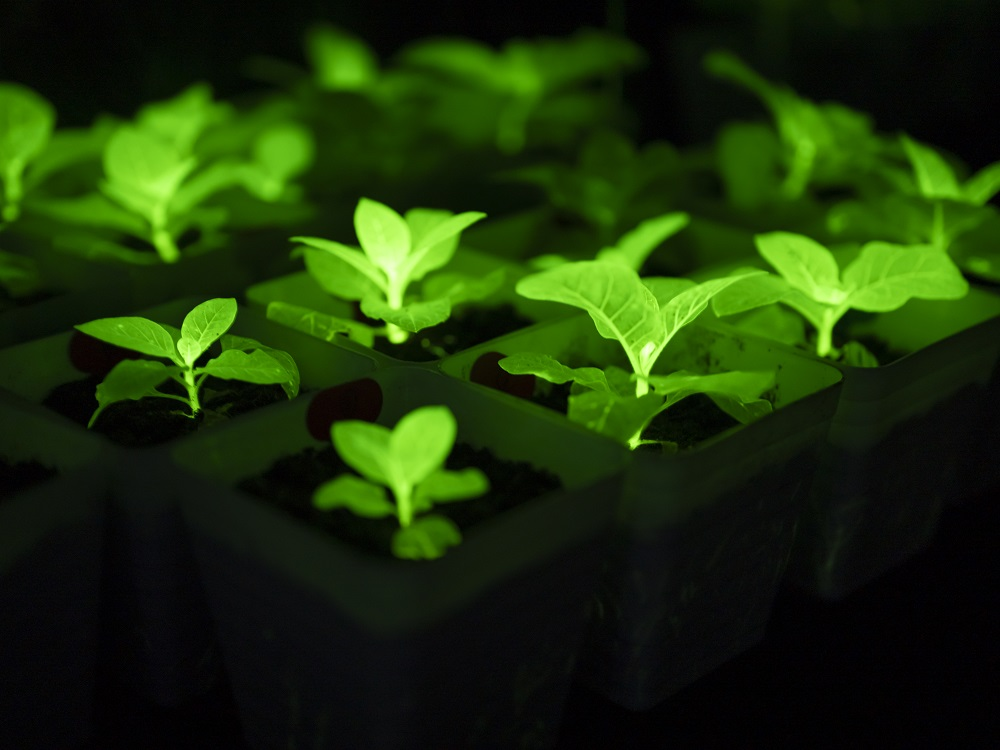
The Chinese company Magicpen Bio publicly demonstrated bioluminescent plants at the Zhongguancun Forum 2026. According to CCTV+ and Xinhua, researchers used genetic modification techniques to introduce genes responsible for bioluminescence—derived from fireflies and fungi—into plant cells. As a result, researchers have already succeeded in cultivating more than 20 species of plants that glow in the dark, including orchids, sunflowers, and chrysanthemums. Back in December 2025, Xinhua News Agency reported that such genetically modified plants were already being grown in a laboratory in Hefei.

The developers believe that these plants can be used in parks, tourist areas, and urban landscapes without being connected to the power grid. At the same time, we should take a realistic view of the current stage of technological development: we are talking about a soft, natural glow, not a full-fledged replacement for streetlights. Similar commercial bioluminescent petunias in the United States also emit a continuous green light, but at a low intensity.
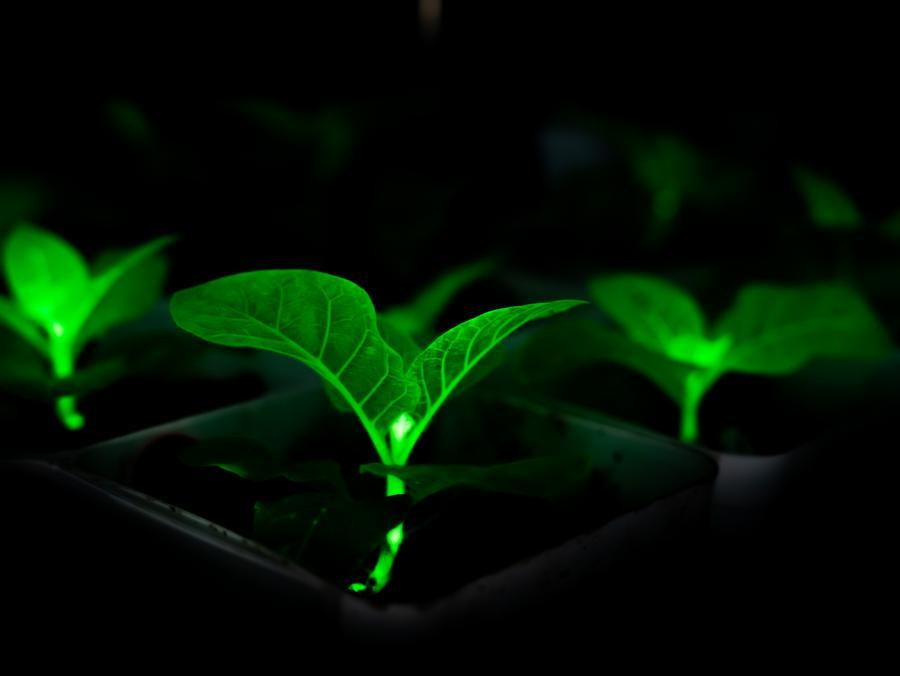
For Mars, this technology is of particular interest not merely as a decorative element, but as part of a closed biosphere. Since the planet’s surface is very cold and its atmosphere is extremely thin, such plants could only grow inside sealed greenhouses or living modules. In such a scenario, they are theoretically capable of providing soft ambient lighting, reducing the need for additional lighting, and making Martian greenhouses more vibrant.
How does it work? Genes responsible for bioluminescence in nature are inserted into the plant’s DNA. After that, the cells begin to produce molecules and enzymes that trigger a chemical reaction that emits light. Modern systems often utilize a fungal bioluminescent pathway, which allows the plant to glow on its own, without an external energy source. Newer versions of these systems have already made it possible to increase brightness by one or two orders of magnitude, but this is still not on par with powerful artificial lighting.
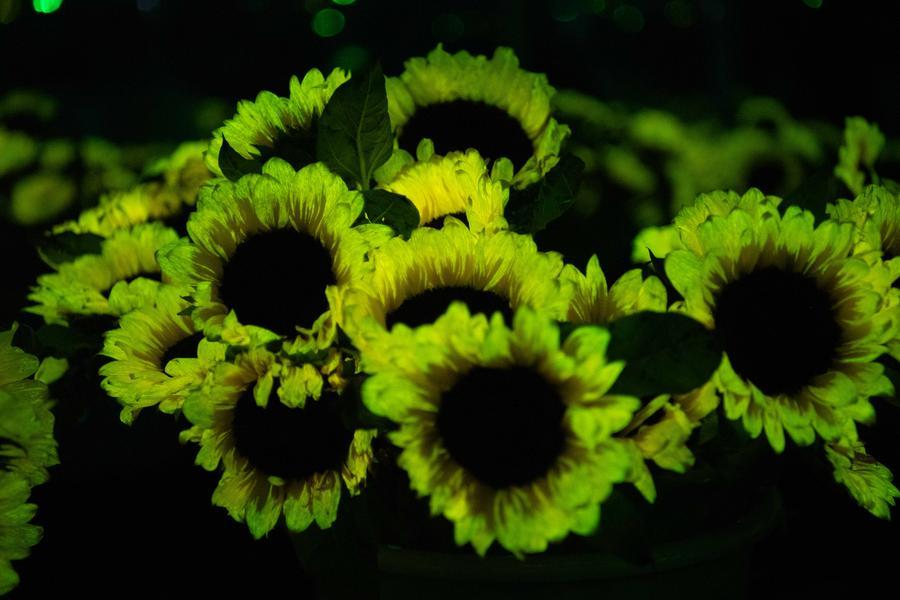
Why is this important? For space missions, this technology is of interest primarily as a component of bio-regenerative life support systems. NASA has long been considering lunar and Martian greenhouses as a source of food, oxygen, water purification, and CO₂ processing. If bioluminescent plants become brighter, they could be used in greenhouses, hallways, or emergency zones at bases as living, energy-efficient lighting and visual indicators of the biosystem’s status.

