

Recently, an amateur astronomer managed to capture a bright flash in Saturn’s atmosphere. This event may indicate a rare cosmic collision. But scientists need help to confirm this discovery.
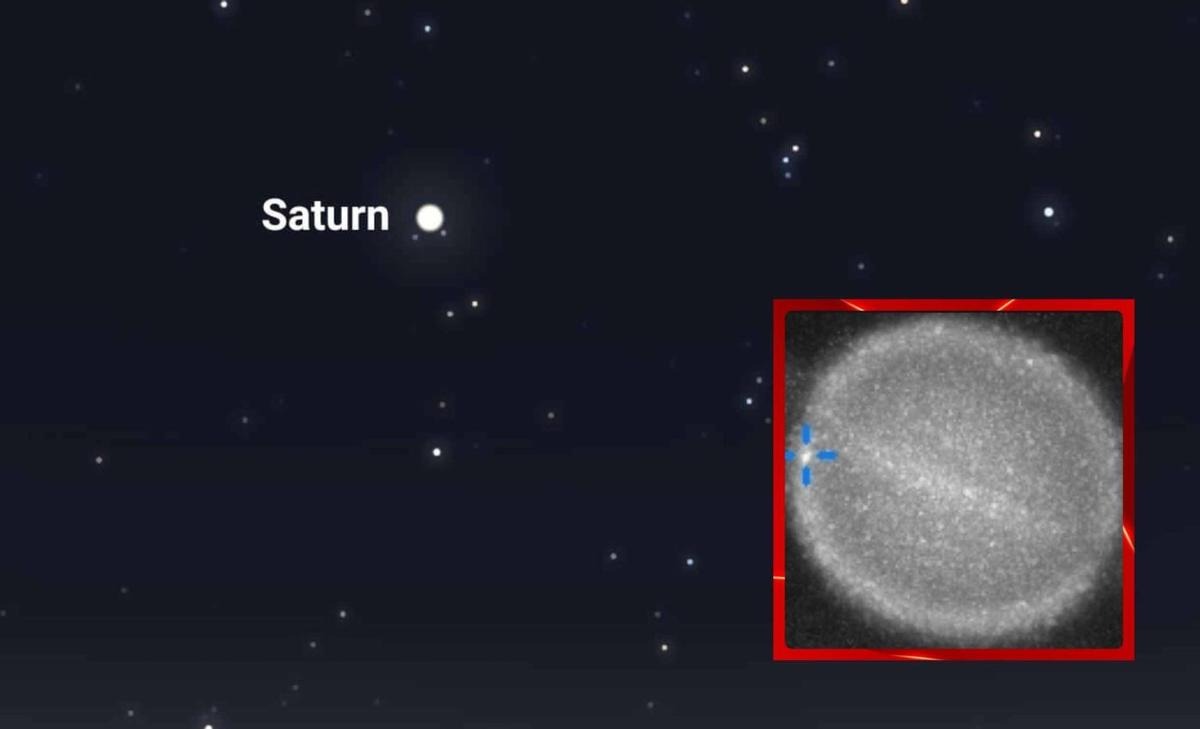
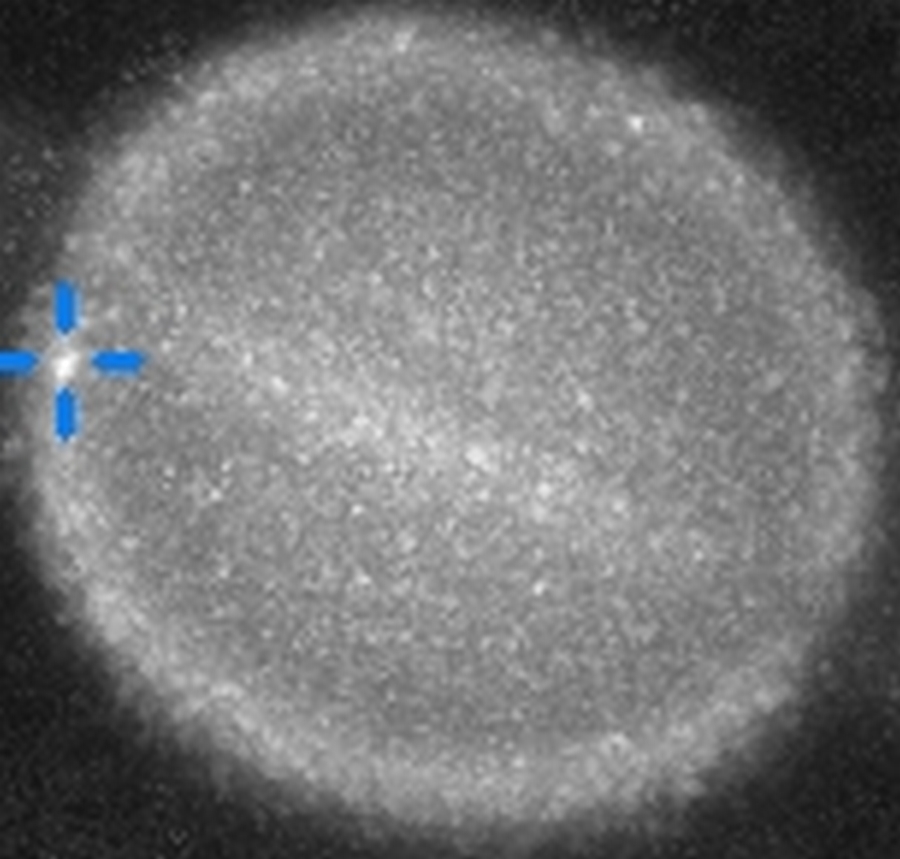
On July 5, 2025, during nighttime observations in Virginia (USA), a short bright flash appeared on Saturn. The phenomenon lasted only a few seconds. The recording was made by experienced astrophotographer Mario Rana from NASA’s Langley Research Center.
If the flash of light turns out to be a real collision between a space object and a gas giant, it will be the first time in history that such an event on Saturn has been captured on video. However, one record is not enough for a scientific discovery.
Why is confirmation required?
Before claiming that this is the first documented fall of a space object on Saturn in history, this fact has to be confirmed. The flash could have been caused by something on Earth, like camera noise, a satellite flying by in front of the planet, or an image processing artifact. Therefore, independent recordings made by other observers from different points on Earth at the same time are necessary to confirm the impact.
This was the call made to amateur astronomers by the PVOL observatory team. The scientific community is asking anyone who observed Saturn during the specified time period to share their original video recordings for thorough analysis.
Scientific significance of the event
Recording impacts on gas giants such as Saturn is of enormous value to science. Studying such collisions helps scientists understand how often comets, asteroids, and other small bodies travel through the outer Solar System.
Each confirmed case provides real data for comparison with computer models. Each confirmed case provides real data for comparison with computer models. This, in turn, helps to refine estimates of the frequency of such phenomena not only for Saturn, but also for Jupiter and even our own planet.
An extremely rare event
Major collisions with Saturn are extremely rare events. According to scientific estimates, an object with a diameter of more than 1 km falls on average once every 3,125 years. Much more often, the planet is bombarded by smaller bodies, but they are even harder to spot.
Saturn’s gaseous nature further complicates the task. The planet has no solid surface, and its upper layers consist of hydrogen and helium. These gases can absorb the energy of the impact without leaving any lasting traces, unlike, for example, the visible dark spots on Jupiter. The only signs may be a sudden flash or minor, fleeting changes in the structure of the clouds.
Important role of amateurs
Amateur astronomers play a key role in this research. Often, it is their modest equipment that captures unique events. To systematize their search, volunteers use a special free program called DeTeCt, developed by a community of planet enthusiasts to scan videos for temporary flashes.
History already knows successful examples of such cooperation. In particular, in 2010, two amateurs independently recorded a flash on Jupiter, which was later confirmed to be the impact of a small meteoroid.
No luck with the search
At this point, the DeTeCt project team has already scanned the available additional materials and found no data confirming the flash on July 5. Scientists currently believe that the recorded flash is a random camera artifact.
However, even a zero result is very significant. It helps to improve observation methods, enhance software, and strengthen the network of observers, which will surely record the next actual collision.
Earlier, we reported on how Saturn became “bare” for nine months.
According to earth.com

