

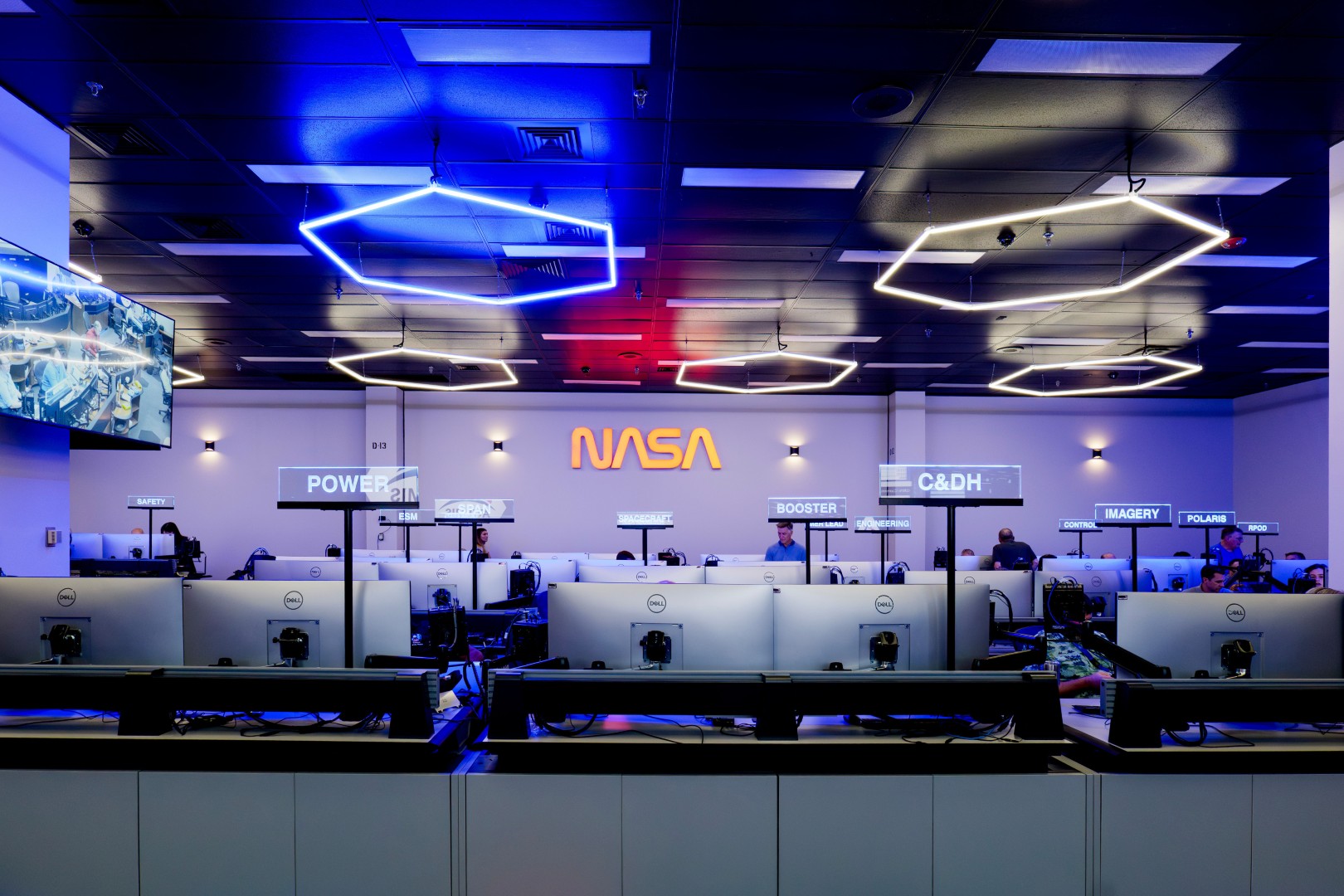
NASA has opened a new, unique flight control center specifically designed for future missions to the Moon. The complex, located at the Johnson Space Center in Houston, will be a critical part of preparations for the Artemis II mission, during which astronauts will orbit the moon for the first time in the Orion manned spacecraft.
A special room called the Mission Evaluation Room, or MER, will operate in the shadow of the main flight control room. Its main task is to ensure the safety of the crew and the spacecraft by thoroughly analyzing all systems in real time.
Think tank
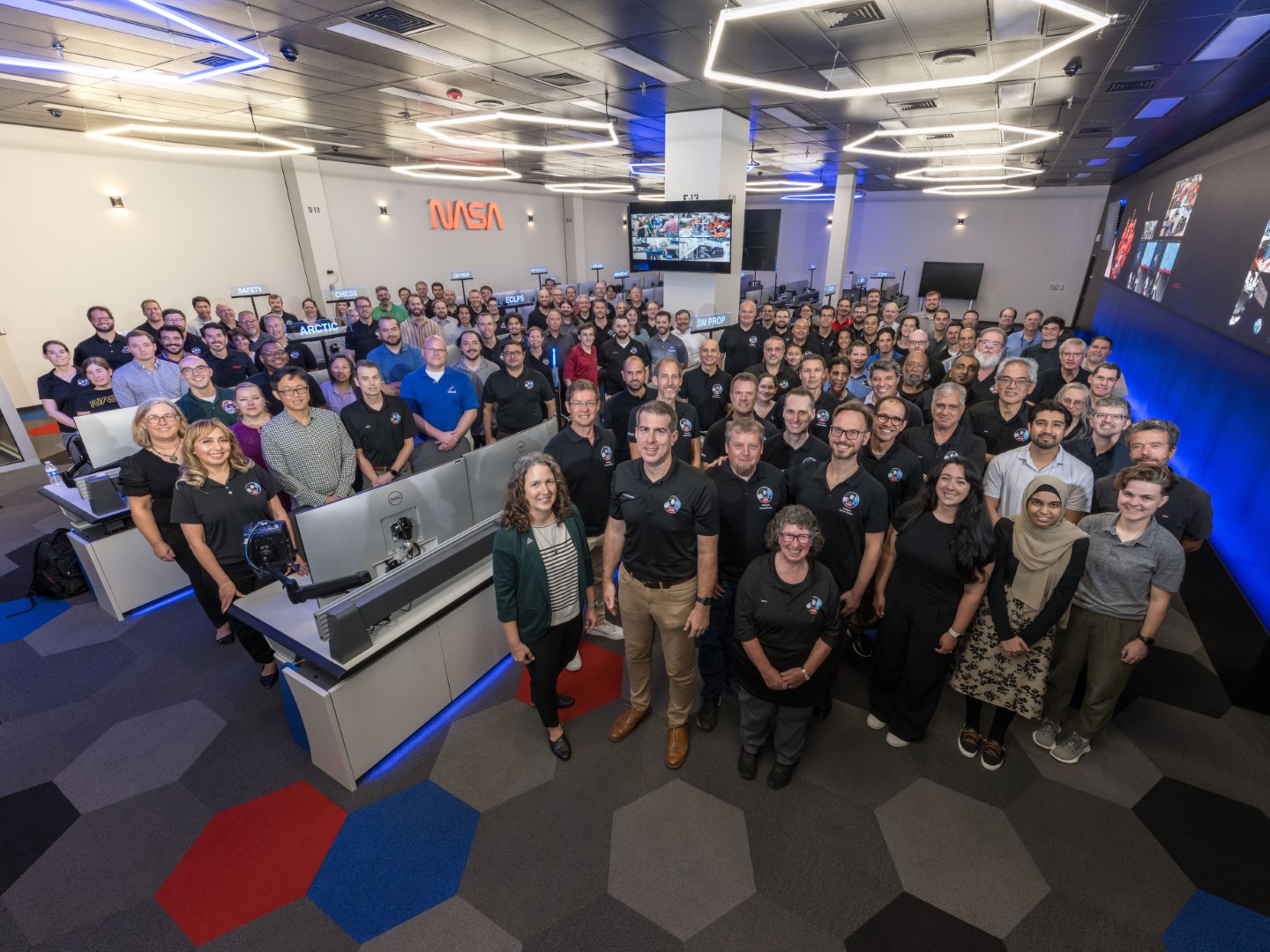
MER is a veritable engineering headquarters. During the ten-day Artemis II mission, the 24 consoles in this room will be operating around the clock. It will house specialists from NASA, Lockheed Martin, ESA, and Airbus — everyone who participated in the creation of Orion.
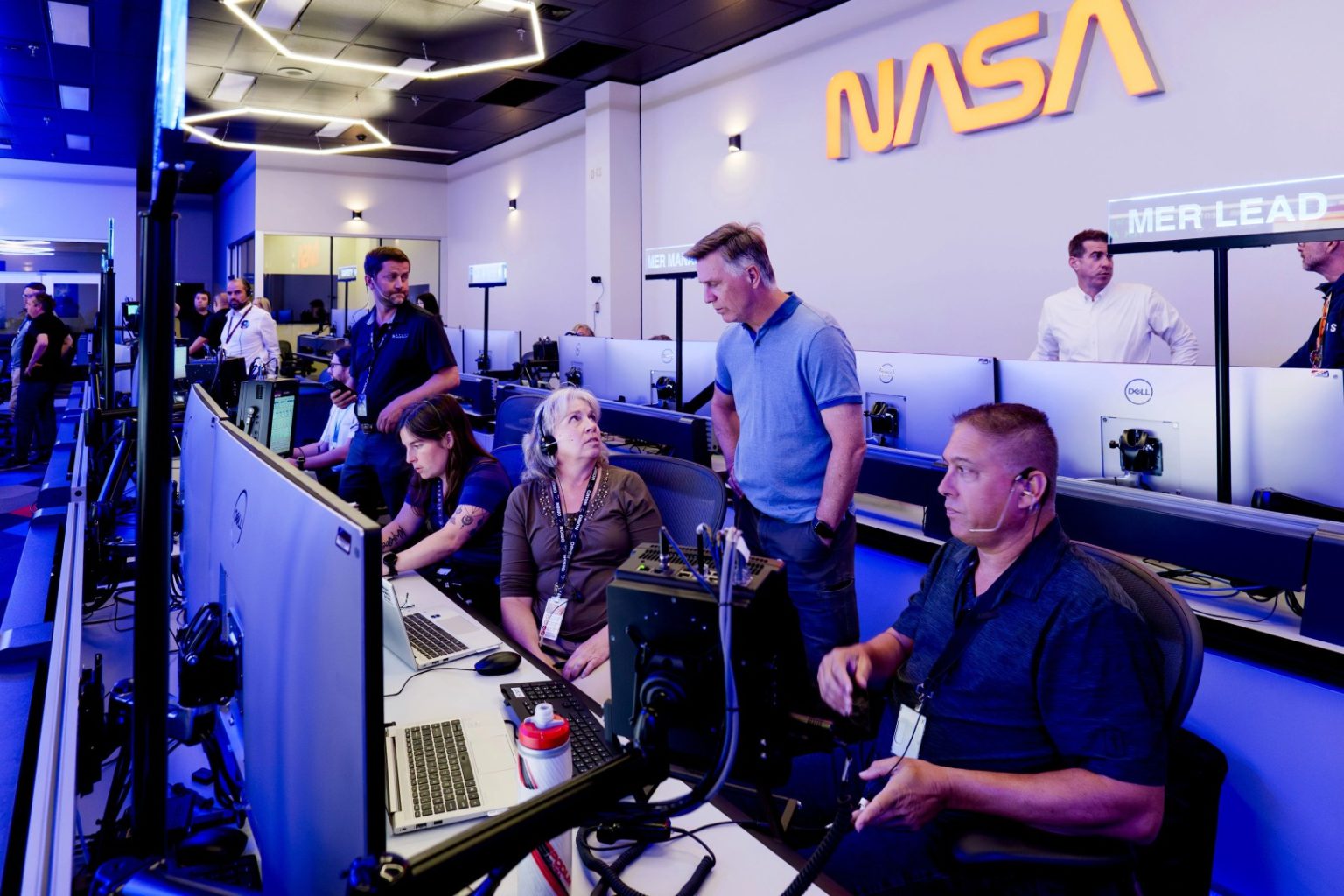
While the main flight control team is responsible for operational decisions, the MER team acts as detectives. They analyze data streams, compare metrics with expectations, look for the slightest anomalies, and develop solutions for any problems that may arise in deep space.
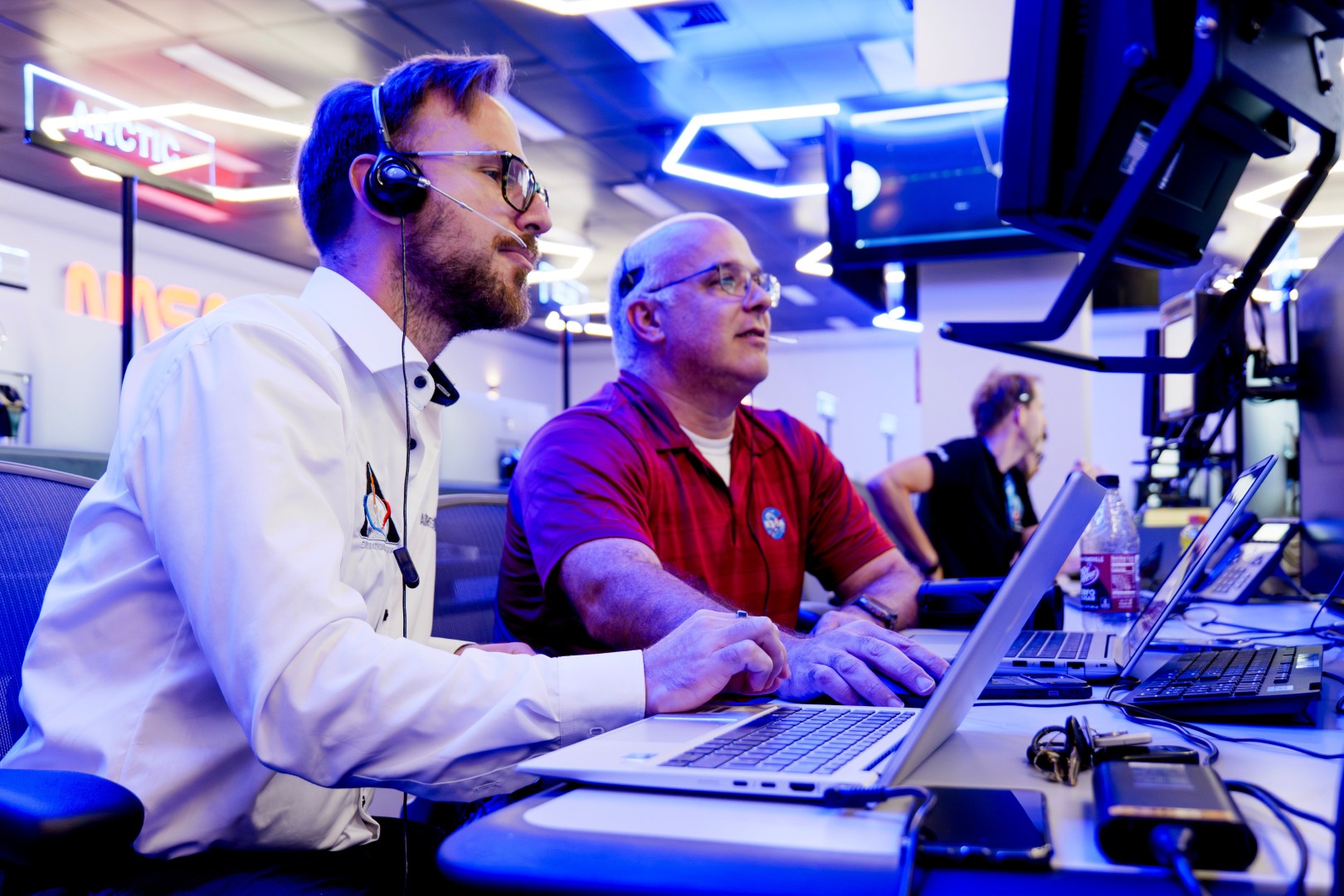
The creation of MER clearly demonstrates how much more complex spacecraft have become since the Apollo era. Orion and the SLS rocket represent a technological breakthrough that requires international cooperation and the centralization of expertise.
The new room serves not only to solve problems in real time, but also to collect invaluable data. This information will form the basis for planning the next steps — the Artemis III mission, which is set to return humans to the surface of the Moon for the first time since 1972, and further expeditions.
The way to the Moon and beyond
The launch of the Artemis II mission with a crew of four astronauts is scheduled for no earlier than February 2026. This mission will be the first test for the new control center. All eyes will be watching as the two teams — operations and engineering — work in unison.
The success of Artemis II will pave the way for a historic moon landing as part of Artemis III, which is planned for around 2027. This program is only the first step toward a larger goal — establishing a permanent presence on the Moon and preparing for flights to Mars.
According to NASA

