

On November 18, the GHOST (Grand Challenge Mesosphere Student Rocket) mission was launched from the Norwegian spaceport at Ånøy. As part of this mission, NASA sent a rocket into space carrying experiments prepared by American and Norwegian students.
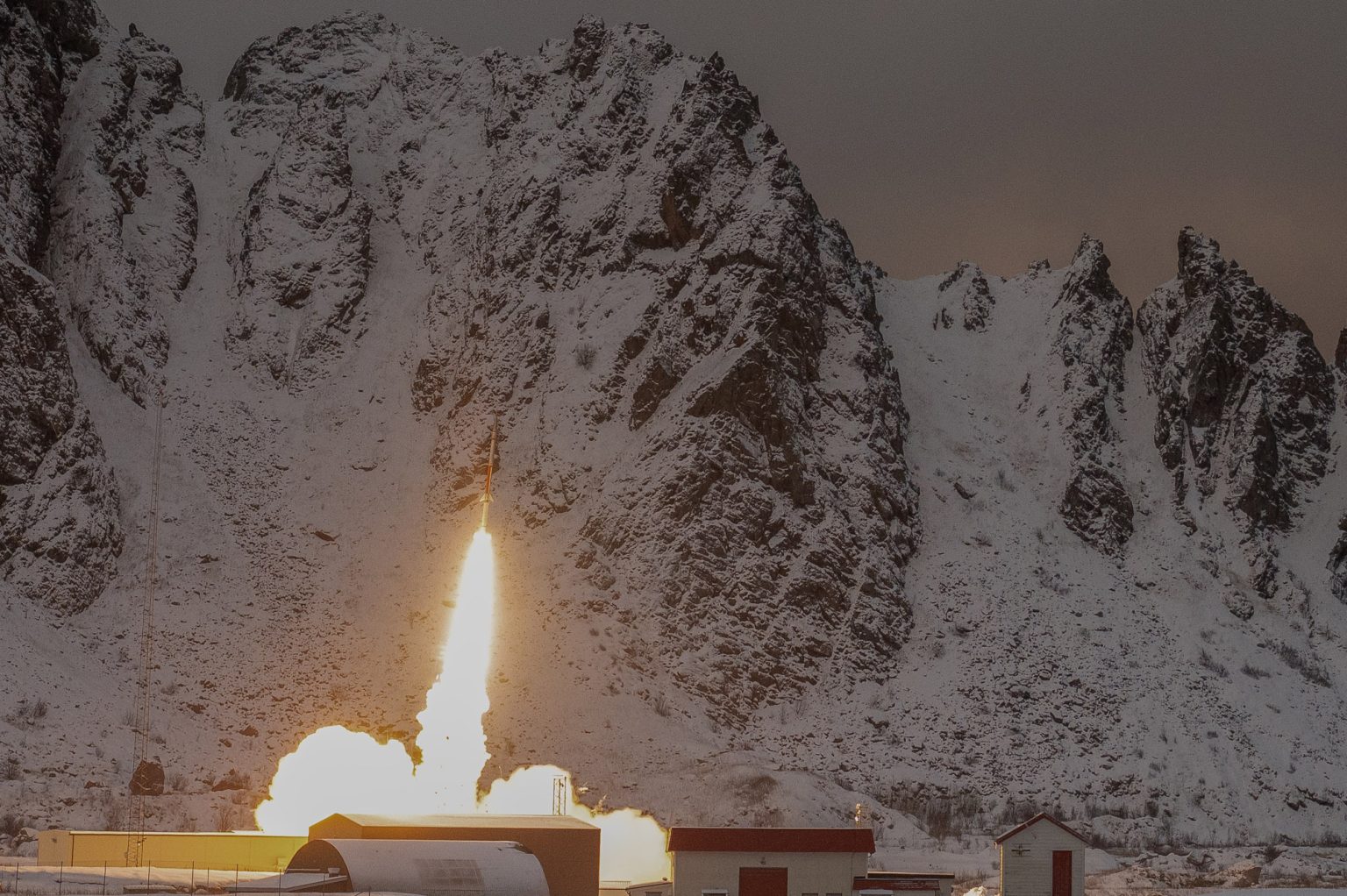
The GHOST mission was carried out as part of two international programs: GCI II and RockSat. The goal of the first program is to work together to learn more about the mesosphere and lower thermosphere. GGI II currently brings together eight countries that launch geophysical rockets and take measurements using aircraft, satellites, balloons, and ground-based instruments at various locations around the globe.
RockSat is a NASA-funded student program that gives students the opportunity to launch their own instruments and experimental equipment into space. A two-stage Terrier-Improved Malemute geophysical rocket is used for this purpose.
A geophysical rocket differs from an orbital rocket in that it does not develop sufficient speed to enter orbit around the Earth. Nevertheless, during flight, it rises to a great height, providing the cargo on board with several minutes of exposure to space conditions.
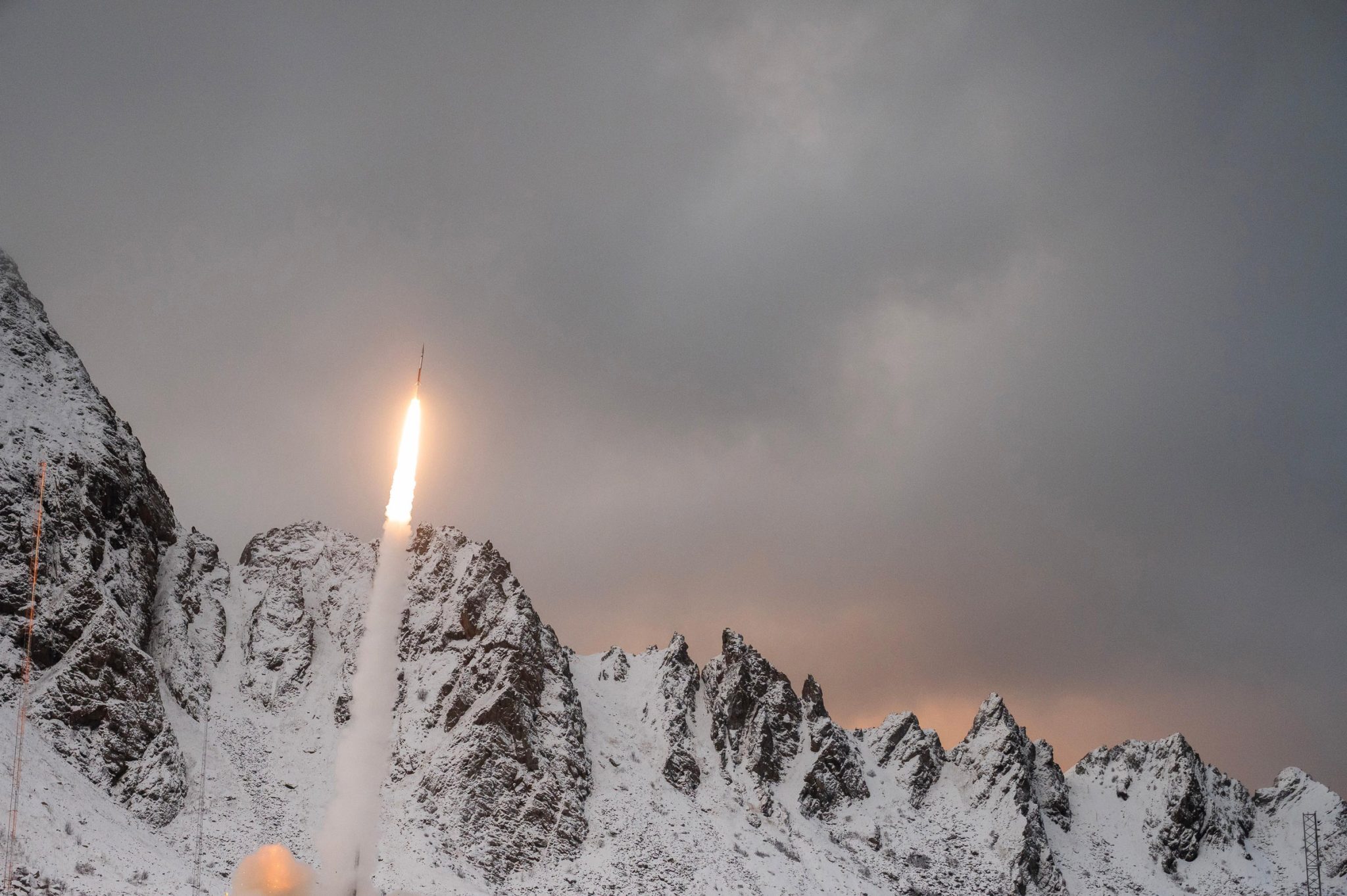
As part of the GHOST mission, several student payloads were installed on board the rocket, each with its own power and telemetry system. They were integrated into an aluminum platform exposed to the space environment.The launch of GHOST was a success. According to NASA, the rocket reached an altitude of 268 km. This is much higher than the Kármán line (100 km), which is considered the boundary between Earth’s atmosphere and space.

