

A new artificial intelligence model has discovered 7,000 exoplanet candidates in TESS mission data. This is according to a recent article published in the Astronomical Journal.
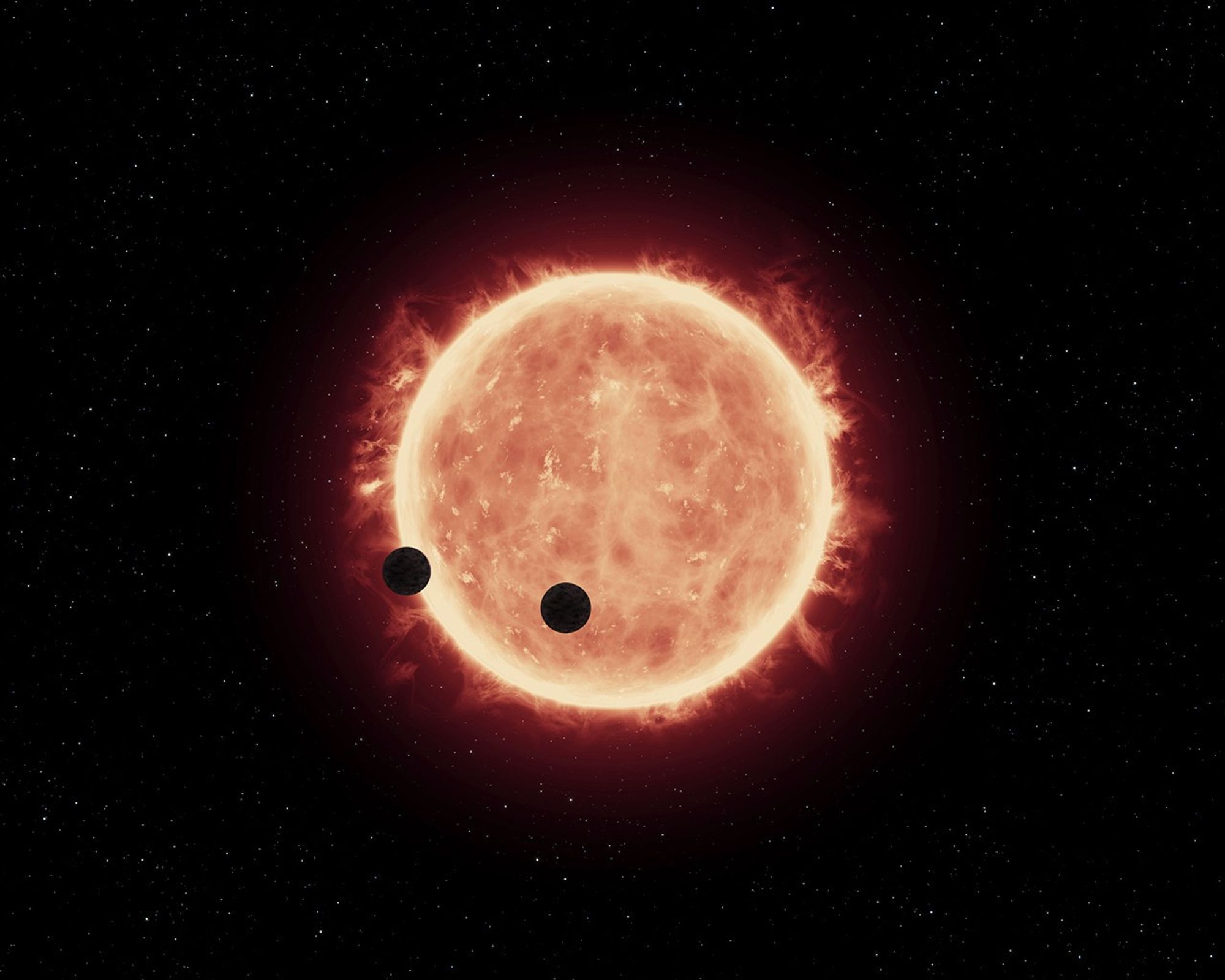
To date, astronomers have confirmed the existence of more than 6,000 exoplanets. More than half of them were found thanks to data collected by the now-defunct Kepler mission and the TESS telescope, which continues to conduct observations. Their data is available to the public in NASA archives, and many teams around the world use it to search for exoplanets using a variety of methods.
In 2021, a team from the Ames Research Center created ExoMiner, open-source software that used artificial intelligence to examine 370 exoplanets from the Kepler mission archive. Now, the team has created a new version of the model, trained on Kepler and TESS data, called ExoMiner++. It can be downloaded for free from GitHub, allowing any researcher to use this tool to search for planets in the growing public TESS data archive.
ExoMiner++ sifts through observations of possible transits to predict which ones are caused by exoplanets and which ones are caused by other astronomical phenomena, such as eclipsing binary stars. “When you have hundreds of thousands of signals, as in this case, it’s the perfect place to apply deep learning technologies,” said Miguel Martinh, who is a co-investigator on ExoMiner++.
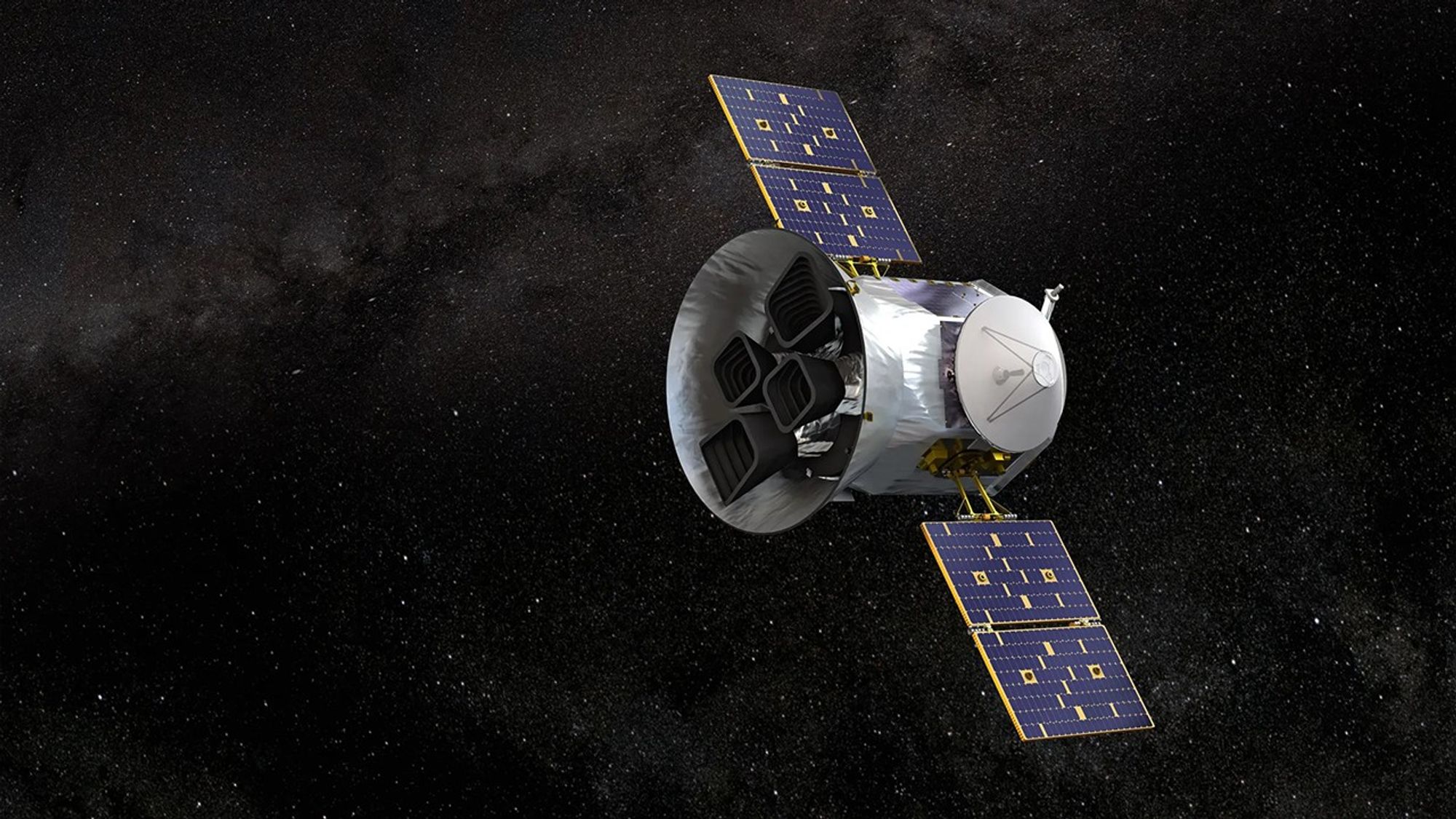
Kepler and TESS operate differently — TESS surveys nearly the entire sky, primarily searching for planets around nearby stars, while Kepler observes a small section of the sky more deeply than TESS. Despite these different observation strategies, both missions produce compatible data sets, allowing ExoMiner++ to learn from data from both telescopes and produce convincing results. “With limited resources, we can achieve great results,” said Hamed Valizadegan, ExoMiner project manager and researcher at the Ames Research Center.
The next version of ExoMiner++ will improve the model’s utility and will be used in future exoplanet detection efforts. Currently, ExoMiner++ can flag exoplanet candidates when provided with a list of possible transit signals, but the team is also working on enabling the model to identify the signals themselves from raw data.
In addition to the constant stream of data from TESS, future exoplanet search missions will provide ExoMiner users with much more data to analyze. Of particular note is the Roman Space Telescope, which will be launched later this year. It will record tens of thousands of exoplanet transits, and its data will also be freely available.
According to NASA

