

NASA conducted a series of flight experiments at the Armstrong Flight Research Center (Edwards, California) to test a new generation of supersonic parachutes equipped with flexible, strain-measuring sensors. During the test, the Alta X unmanned quadcopter lifted the capsule, which deployed a parachute at a certain altitude. The sensors did not interfere with the dome fabric, confirming the engineers’ calculations and providing valuable telemetry data for subsequent tests.
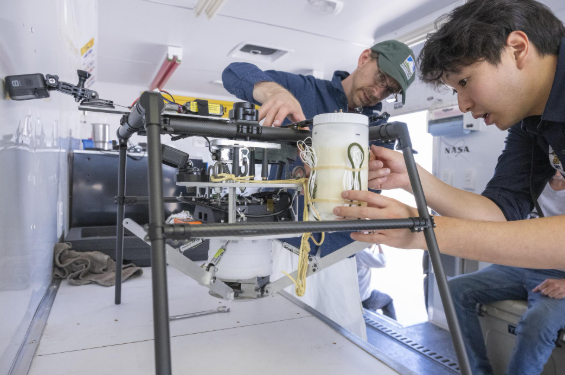
The EPIC (Enhancing Parachutes by Instrumenting the Canopy) program is led by a NASA team seeking to fill gaps in computer modeling of parachutes in supersonic flow. On June 4, 2025, five test descents were completed, after which specialists analyzed the behavior of sensors at different temperatures. They are now looking for partners in the aerospace and motorsport industries for joint research.
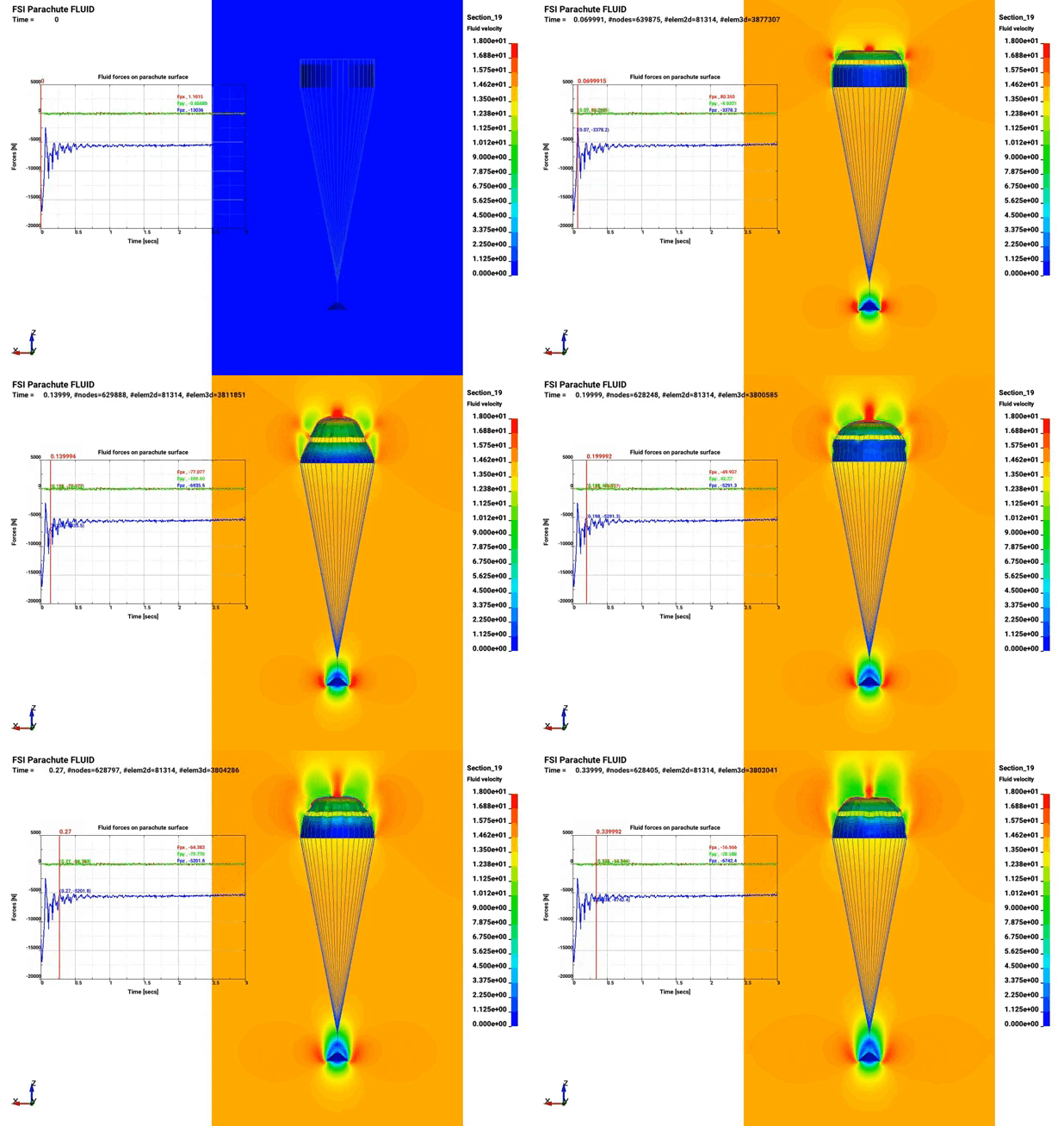
The parachute capsule was developed at Langley Research Center, and Armstrong student interns helped integrate the system for flight testing. The project is funded by the Space Technology Mission Directorate (STMD) and has already demonstrated that commercially available sensors can be securely attached to thin parachute fabric.
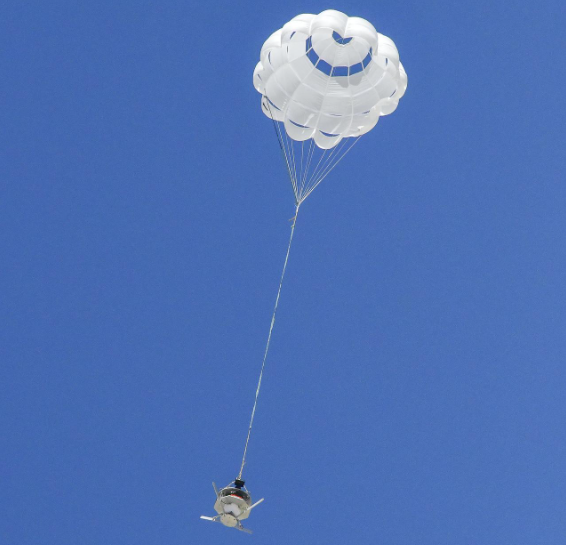
Supersonic parachutes are nothing new for NASA: a 20-meter-diameter system of this type successfully slowed down the Perseverance rover as it entered the Martian atmosphere in 2021. The data collected will now help optimize the geometry of domes and suspensions for even heavier loads.
Reliable supersonic parachutes pave the way for the safe landing of larger scientific stations, astrobiological experiments, and even samples of Martian soil. The more precisely we control the aerodynamics of braking, the lower the risks to expensive equipment, which expands the possibilities for placing astronomical observatories on other bodies in the Solar System and accelerates preparations for manned missions.
Want to learn how NASA’s advanced smart parachutes will help a new generation of automated missions safely touch down on other planets? Read the article “Robotic Discoverers: the story of conquering three worlds” to trace the evolution of robotic explorers — from the first devices that boldly landed on Mars and Venus to modern geological rovers.
According to NASA, interestingengineering

