

Engineers from RMIT University have created a new type of 3D-printed titanium that is approximately one-third cheaper than standard alloys such as Ti-6Al-4V. The more expensive vanadium in the composition was replaced with more affordable elements, resulting in increased strength and better plasticity. The key advantage is the absence of a columnar microstructure, which often makes additive metals anisotropic. The university has already filed a provisional patent application and is seeking industrial partners; printing cost savings reach 29%.
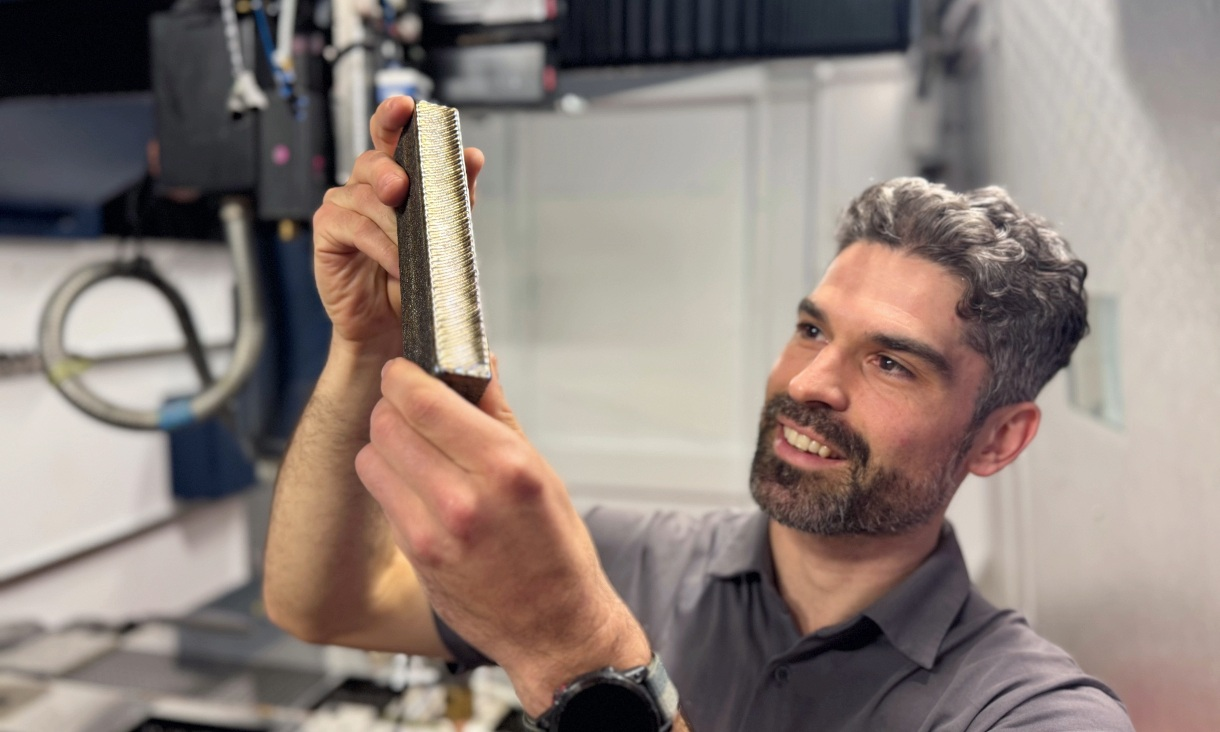
The scientific basis of the work is described in the journal Nature Communications. The RMIT team proposed compositional criteria — a set of indicators that allow the transition from a columnar to a uniform grain structure (CET) during metal 3D printing to be predicted at the stage of selecting alloying elements. Researchers compared the parameters P (*constitutional supercooling parameter), Q (growth restriction factor), and ΔTs (solidification range) using examples of Ti-Fe, Ti-Cu, Ti-Cu-Fe, and Ti-Mo systems (DED-LB method) and showed that P is the most reliable predictor of grain uniformity in additive manufacturing. This paves the way for rational alloying and stable mechanical properties without excessive post-processing.
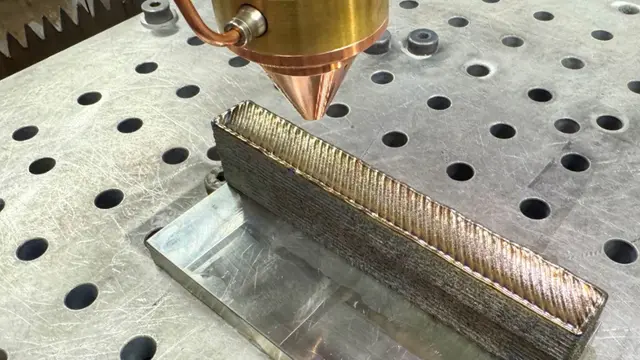
RMIT highlights the potential of this innovation for the aerospace and medical industries: cheaper powders and predictable microstructure reduce the cost of parts and speed up the path to certification. The samples were manufactured and tested at the university’s Advanced Manufacturing Precinct.
Weight, reliability, and production time are critical for space technology. Cheaper and more durable 3D-printed titanium simplifies the manufacture of topologically optimized components — from fasteners and instrument panels to micro motor housings and optical platforms. A uniform grain structure means more consistent properties, which is useful for vibration loads, thermal cycles, and the assembly of precision instruments. This could reduce the cost of missions and accelerate the renewal of scientific instruments in orbit and deep space.
RMIT’s new 3D-printed titanium alloy is just the first step toward a real factory in orbit. Want to understand how 3D printing works in zero gravity, why it is critical for rapid satellite repairs, building lunar bases from regolith, and future colonization of Mars? Read detailed explanations in the article “How 3D printing works in space and how it will help colonize the Moon and Mars.”
According to nature, rmit, interestingengineering

