

The Super Heavy booster, designed for the next-generation Starship spacecraft, was damaged during testing. This could delay its first flight.
Booster 18 seems to have just exploded during testing at the Massey outpost. pic.twitter.com/fmVdYPmWvA
— LabPadre Space (@LabPadre) November 21, 2025
The incident occurred on November 21 at a test site located near the Starbace spaceport. Judging by the video footage, the lower part of the accelerator was damaged. It did not explode completely, but part of its structure was destroyed. SpaceX later confirmed the accident, reporting that it occurred during a pressure test of the gas system.
Unlike the incident that occurred in June at the same test site, when Starship exploded during preparations for a fire test, this time, no fuel was loaded, and no engines were installed. The booster was undergoing tests to confirm its ability to withstand pressure and stress. SpaceX did not provide any further details about the incident, saying only that no personnel were injured.
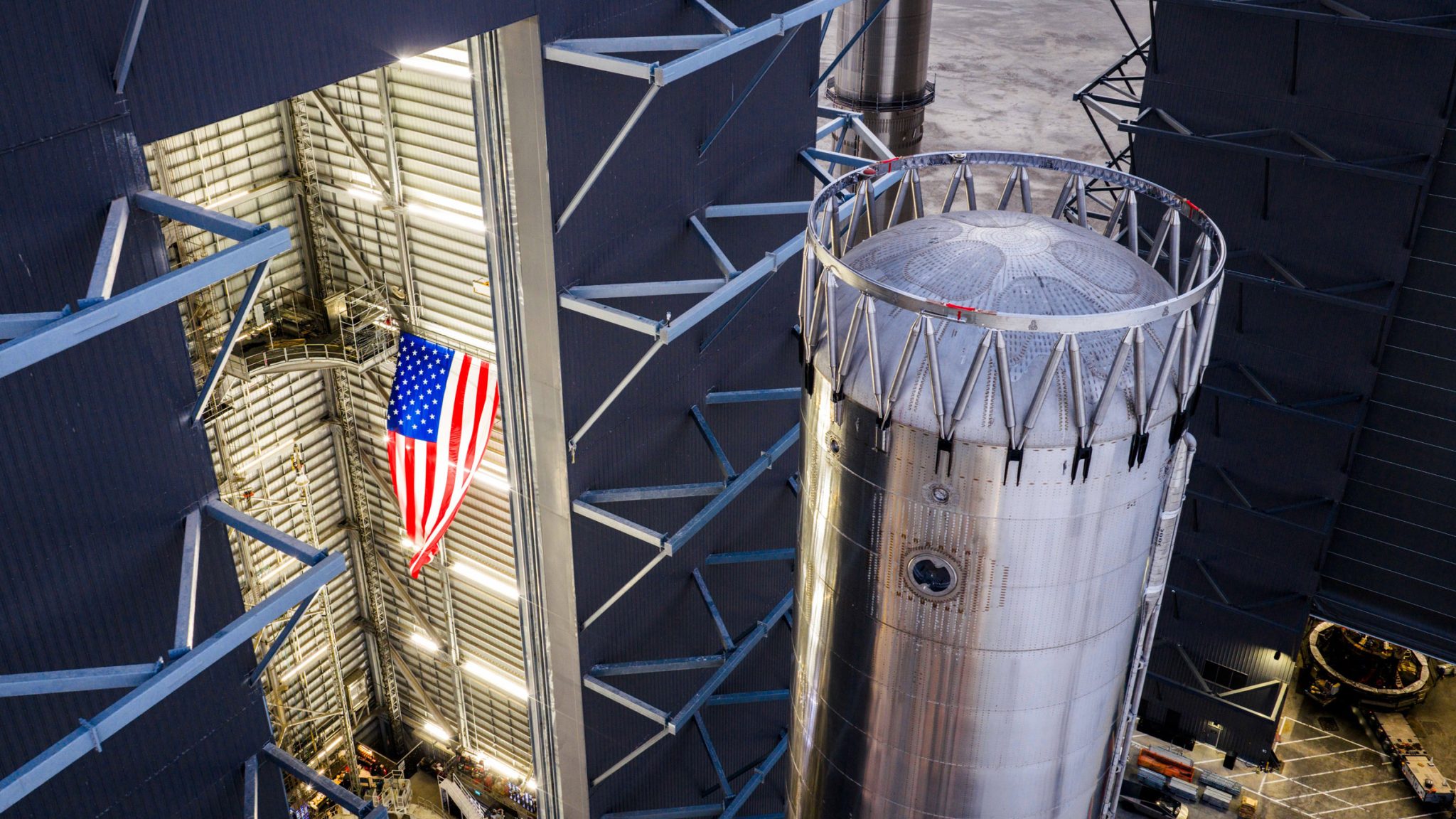
The damaged booster is the first Super Heavy built for the next generation of Starship (Starship V3). Numerous changes have been made to its design to improve its reliability and increase its payload capacity. It is on Starship V3 that SpaceX engineers plan to test key elements such as orbital refueling and landing the spacecraft on land. These are vital to the company’s plans to launch larger Starlink satellites, as well as the Artemis program.
At this point, it is unclear how this accident will affect SpaceX’s plans. Before the booster incident, the company was optimistic and expected to launch Starship V3 for the first time in early 2026.
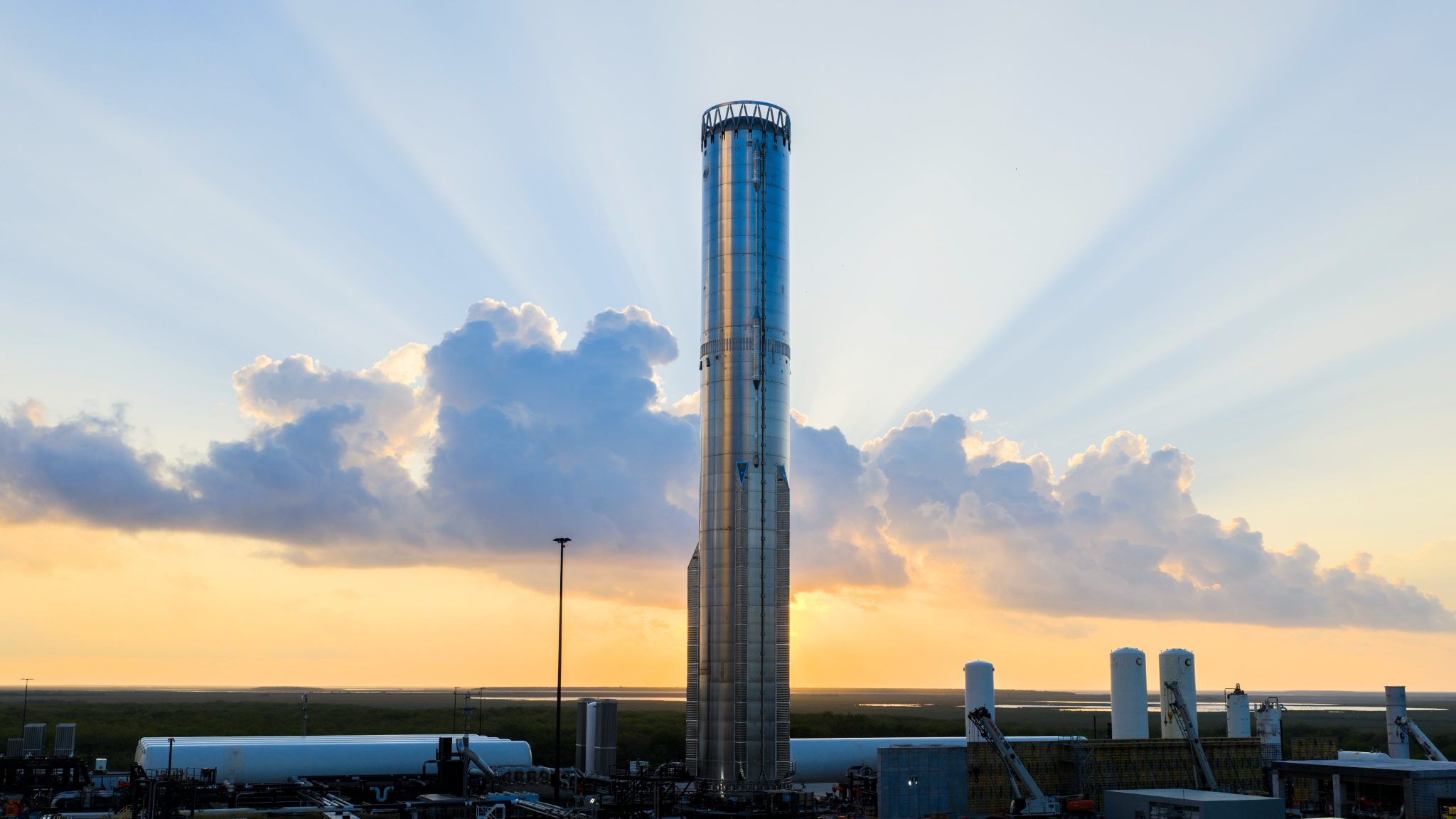
The incident may also increase pressure on NASA to revise its plans for a Moon landing under the Artemis program, currently scheduled for 2027. Even before this setback, it was clear that SpaceX was significantly behind schedule, possibly by several years. Last month, acting NASA Administrator Sean Duffy announced that he would “open up” the contract for the Artemis III landing module, requesting plans to accelerate work from both SpaceX and Blue Origin. In response, SpaceX said it had proposed a “simplified” architecture for Artemis III to NASA that could speed up the schedule, but did not disclose technical details. The company claims that despite the delays, SpaceX remains the fastest way to return humans to the Moon.

