

Space debris is becoming an increasing threat. When such objects fall to Earth, we often can do nothing but watch and hope that the spent satellite does not fall on densely populated areas. But now scientists have found a new and unexpected way to track this fall: listening to it through seismic sensors.
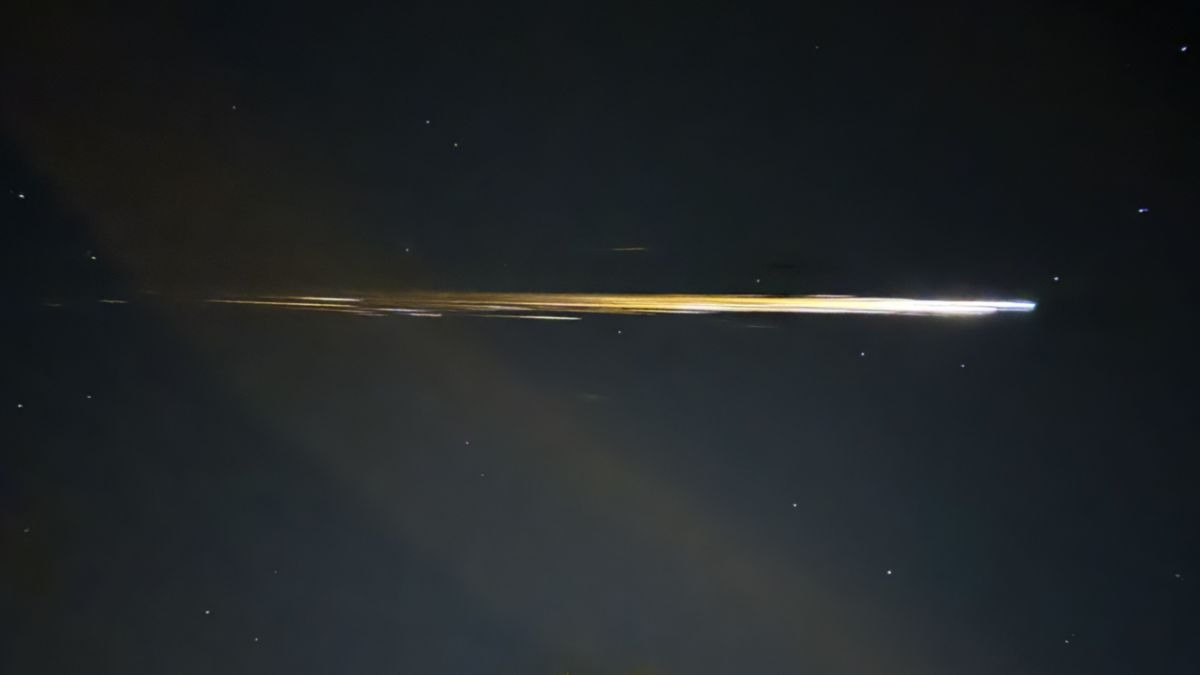
When space debris rapidly penetrates the atmosphere, it moves at supersonic speed. This generates a sonic boom, or Mach cone — a powerful shock wave. When this wave reaches the Earth’s surface, it creates slight but noticeable vibrations. It turns out that these vibrations can be “heard” by highly sensitive seismometers installed to study earthquakes.
Fall of Shenzhou-15
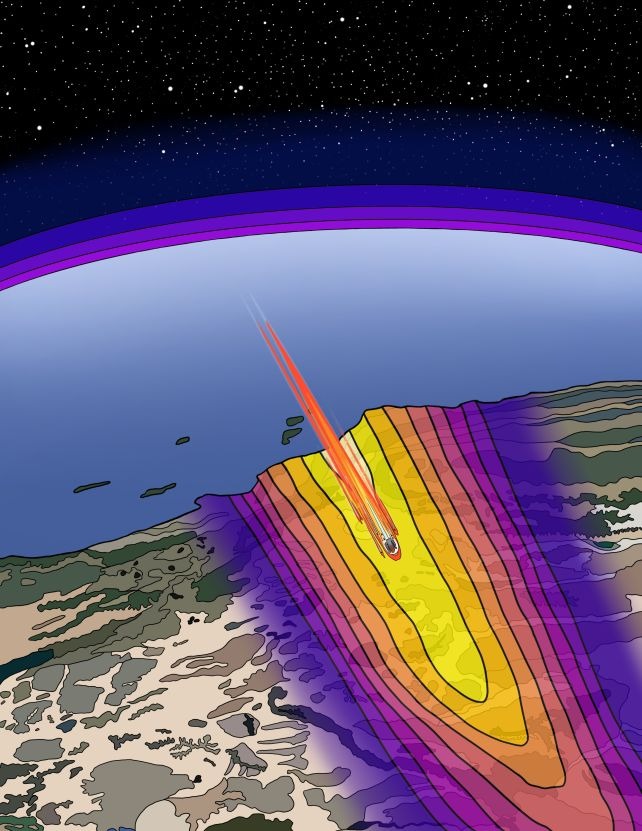
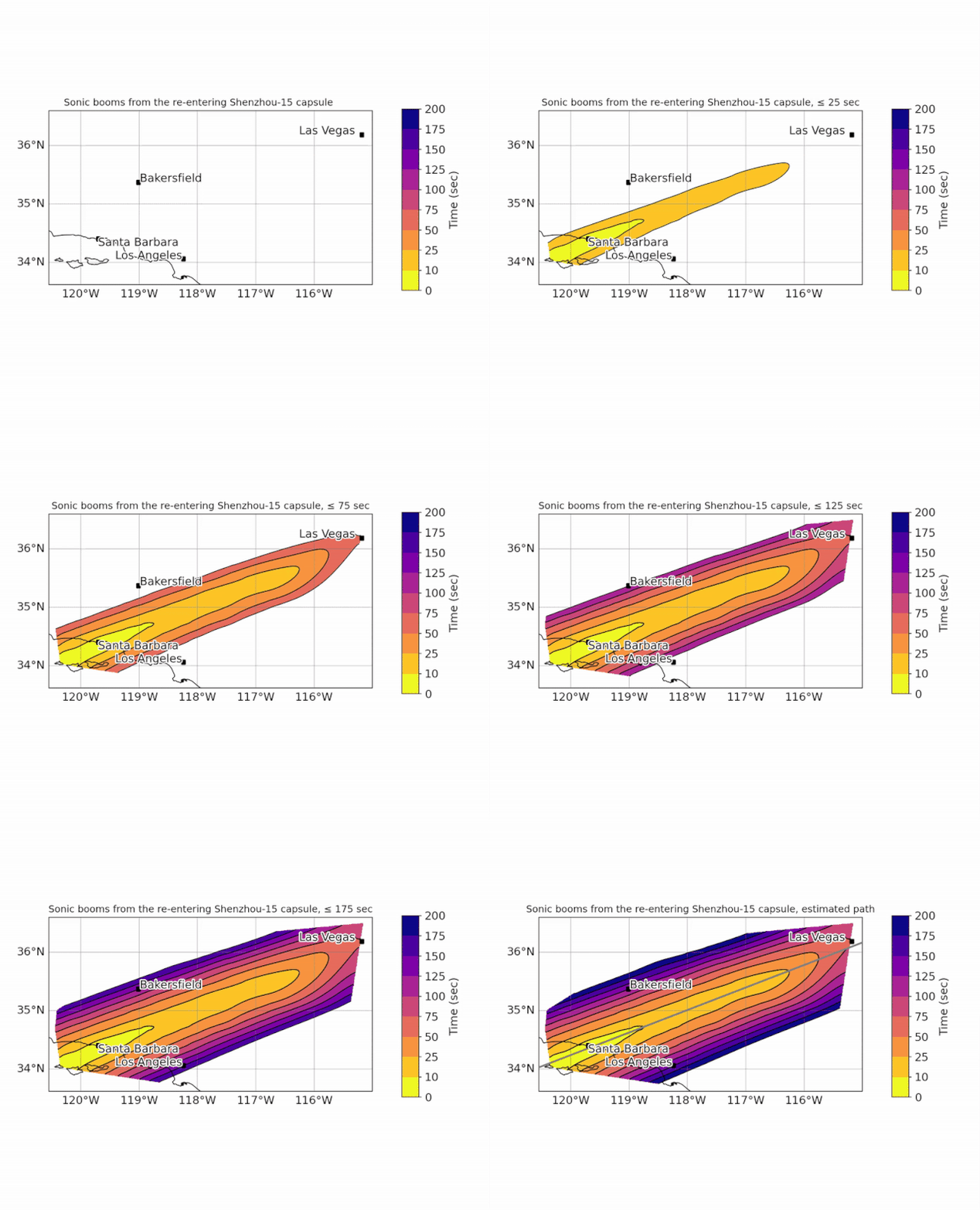
The theory was tested in practice. On April 2, 2024, the orbital module of the Chinese spacecraft Shenzhou-15 made an uncontrolled entry into the atmosphere over California. A group of scientists led by Benjamin Fernando and Constantinos Charalambous analyzed data from local seismic networks.
The data proved to be extremely informative. Scientists were able to determine the module’s speed — about 25-30 Mach — as well as its altitude, descent angle, and even the exact moment when it began to break apart. Seismograms first recorded one powerful signal, followed by a series of smaller ones — the cascading fragmentation of debris in the atmosphere.
Future threat tracking
This discovery provides a new tool for protection. The European Space Agency estimates that there are more than a million dangerous objects floating around the Earth. Currently, we often do not know exactly how and where they will fall. The new method allows us to quickly and accurately recreate the trajectory of the fall and the areas where debris is most likely to hit the surface. This will help warn aviation and ground infrastructure of the danger in advance. We cannot stop all “dead” satellites from falling, but now we can better prepare for their visit by simply listening to their “rumbling.”
Previously, Ukrainians were told about the dangers of space debris.
According to Science Alert

