

The Polish company MERA Robotics was the first in Europe to build a commercial business around a Chinese humanoid robot — and says that China has already pulled ahead of the rest of the world in this sector.
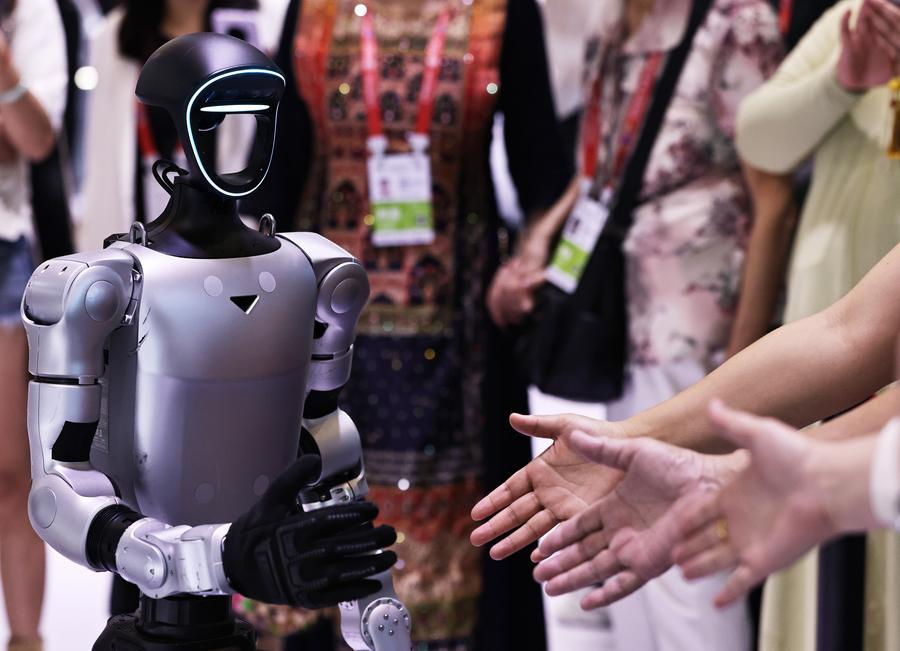
The Unitree G1 humanoid robot, priced at $17,500, has proven to be affordable and technically mature enough for practical use in Europe. The MERA Robotics team used this very platform to create Edward Warchocki—an android with advertising contracts who visited the Polish parliament and became a recognizable public figure.
Iron from China, brains from Poland
Radoslaw Grzelaczyk purchased the robot after completing a robotics internship in China in late 2025. Upon his return, he and the MERA Robotics team integrated their own operating system, MERA OS, into the Unitree platform and adapted the device for the European market.
Edward navigates using a LiDAR scanner connected to a local AI model and external databases; it can move autonomously or be controlled remotely. A team is always on standby during public appearances—just in case of unforeseen situations.
Why Unitree?
The Unitree G1 weighs about 35 kilograms and runs for approximately two hours on a single charge. The starting price is $16,000, and the manufacturer is already preparing for mass production. By comparison, previous generations of humanoid robots from other manufacturers cost $90,000 or more.
This price, combined with the technical specifications, was the deciding factor for MERA Robotics. According to Grzelaczyk, Chinese vehicles are significantly more affordable than their Western counterparts, while maintaining a high level of performance.
New Format: Robots as Media Products
Edward Warchocki began posting videos on February 21—the first one showed him ordering food at McDonald’s. According to the project’s website, the content gained over 1.5 billion views in 45 days.
The first advertising partnership promoted a luxury watch priced at around 80,000 zlotys—and that’s just the beginning. The website already lists prices for participation in conferences, openings, and galas. For brands, this format has a clear advantage: the bot doesn’t get caught up in scandals, doesn’t take time off, and always sticks to the agreed-upon message.
Next step: scaling
By the end of July 2026, MERA Robotics plans to import approximately 100 such robots from China. The company plans to promote solutions that combine Chinese hardware platforms with Polish software, focusing primarily on logistics, security, and retail. The market for humanoid robotics is still small, but Radoslaw Grzelaczyk is confident that it will soon become one of the largest in the world.
According to english.news.cn

