

Most of us recognize only three types of precipitation: rain, snow, and sleet. However, scientists have long felt that this list needs to be expanded and refined. A group of researchers from the University of Michigan and NASA decided to apply the power of machine learning to reveal the true diversity of types of precipitation falling from the sky. The result of their years of work is a revolutionary classification system that not only improves the accuracy of forecasts but also has the potential to save lives.
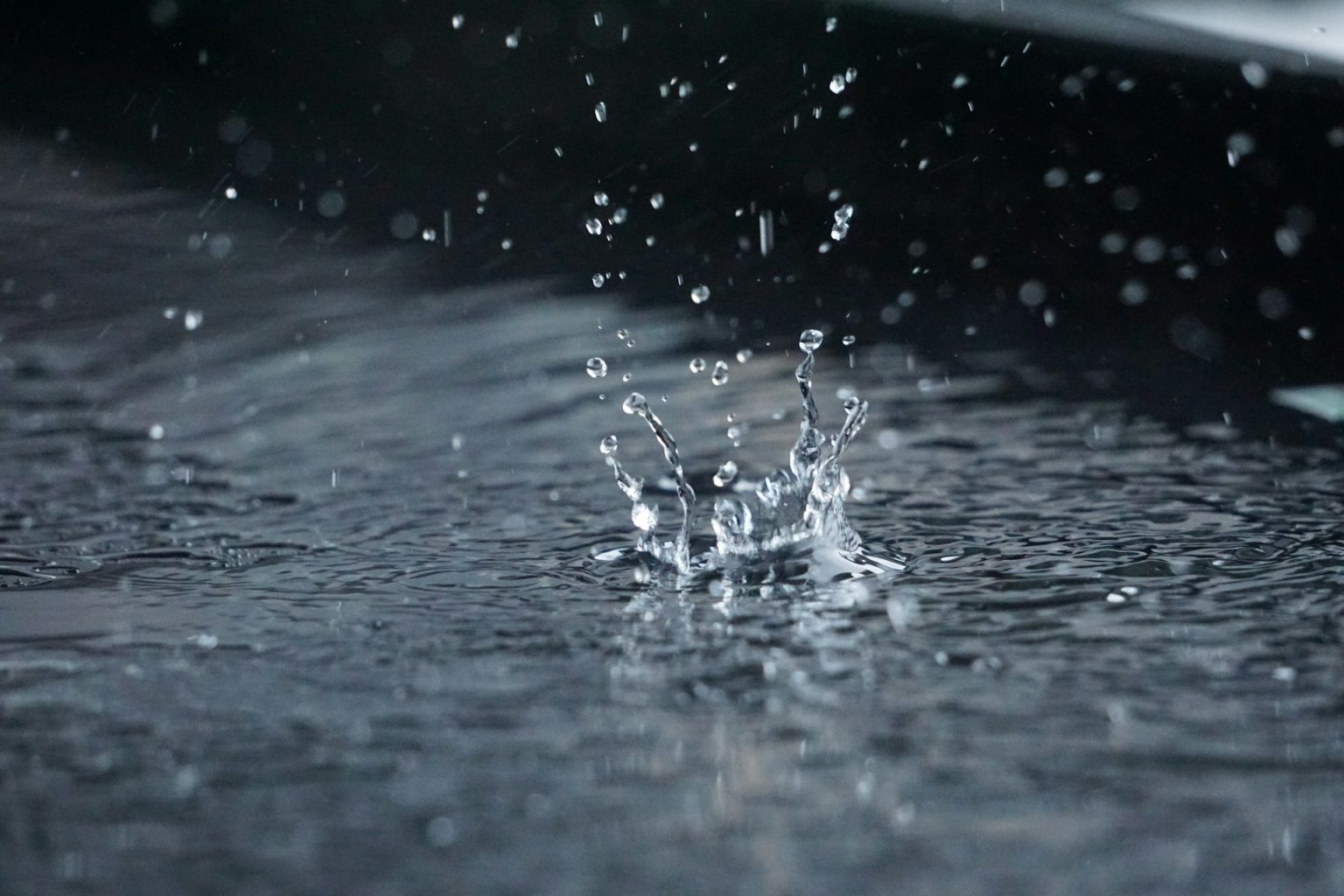
Why are forecasts wrong?
The classic idea that snow only falls when temperatures are below zero and rain only falls when temperatures are above zero is simplistic. In fact, in the range from -3°C to +5°C, both rain and snow are equally possible—it all depends on the conditions inside the clouds and the surrounding environment. This is why even the most advanced weather models often fail to accurately predict precipitation. Satellites can see clouds clearly from space, but they cannot determine exactly what will fall to the surface.
How a machine was taught to see rain
To fill this gap, scientists installed a special camera system called the Precipitation Imaging Package (PIP) at strategic locations in the United States, Canada, and Europe. This system, equipped with a high-speed camera, has collected data over the past nine years. The result is a collection of 1.5 million measurements, supplemented by information from ground-based weather stations.
Such a large amount of information can only be processed using artificial intelligence. Researchers created two machine learning models: a simple linear one and a more complex nonlinear one. The latter took into account the complex interactions between particles and ultimately prevailed, reducing the number of errors in determining the type of precipitation by 36% compared to the linear method.
Nine types of precipitation
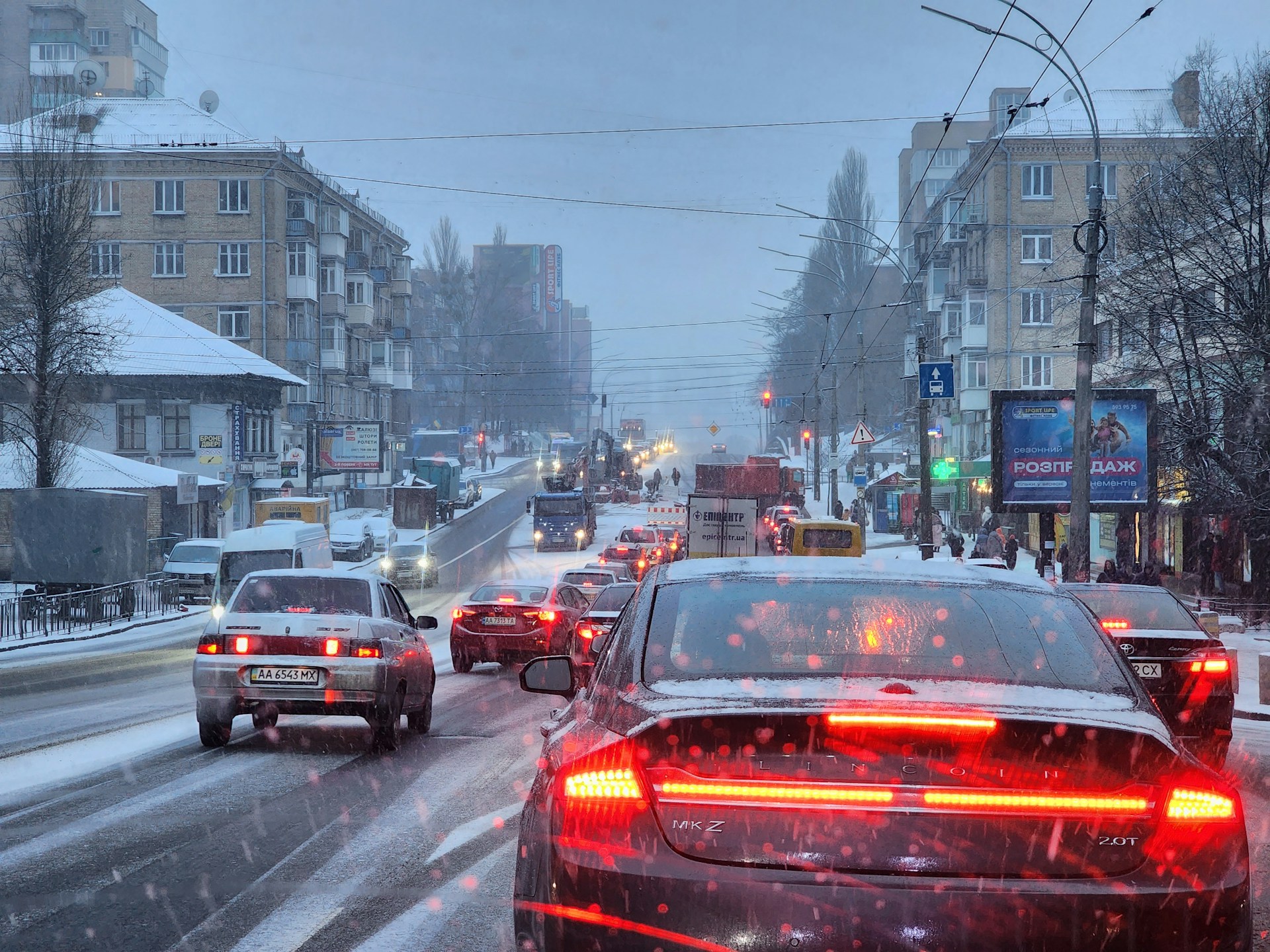
The final system developed by the scientists was named UMAP. It not only simplifies complex data, but also identifies three key factors that determine precipitation: particle characteristics, intensity, and phase. Thanks to this, UMAP identified nine types of precipitation:
- Drizzle — light, steady rainfall
- Heavy rainfall — intense rainfall with numerous small drops
- Light rain-to-mix transition — light sleet with dense ice pellets
- Heavy rain-to-mix transition — intense sleet with dense ice pellets
- Light mixed-phase — a low volume of slushy, partially frozen particles
- Heavy mixed-phase — a high volume of slushy, partially frozen particles
- Heavy snow-to-mix transition — large snowflakes and aggregate particles
- Light snowfall — light, fluffy snowfall
- Heavy snowfall — an intense, heavy snowstorm
As climatologist and co-author of the study Claire Pettersen explains, the benefits of the new system are both immediate and long-term.
“In the short term, better forecasting can help people adjust their daily commute or prepare for big events like floods or an ice storm,” she noted. “On longer time scales, it can help predict how snowpack or runoff timing will change fresh water availability for a region.”
To make their discoveries accessible not only to scientists, the researchers created an interactive graph and an easy-to-understand interface for all weather enthusiasts. All information is also published in the Deep Blue Data repository for those who want to delve deeper into the details.
We previously reported on how climate swings could become more severe by 2028.
According to popsci.com

