

The mysterious collision involving United Airlines flight UA1093 was not caused by space debris or a meteorite. It was caused by a weather balloon.
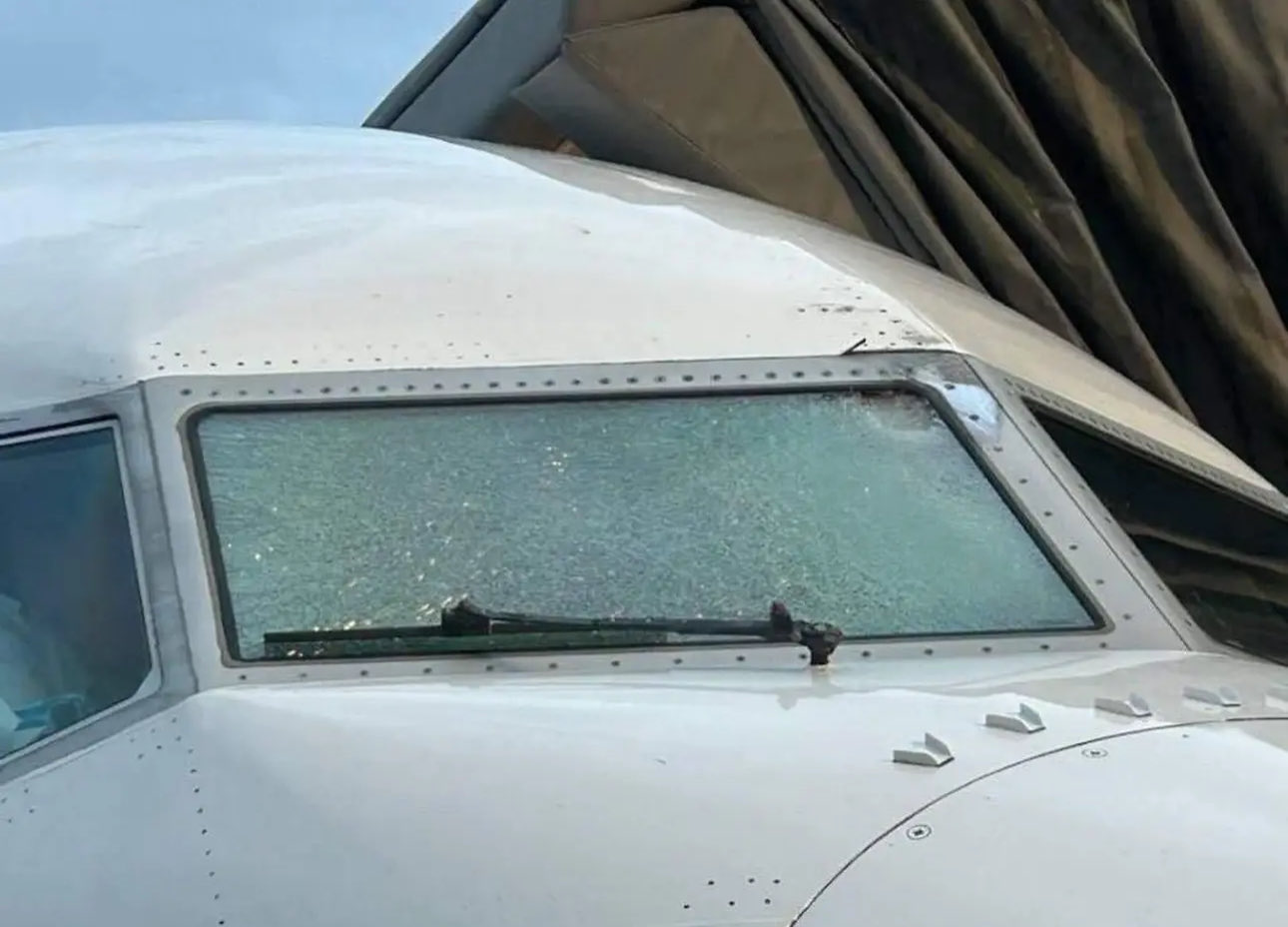
The incident involved occurred on October 16. The United Airlines’ Boeing 737 MAX was flying from Denver to Los Angeles. When the plane was at an altitude of 11 km, something struck the cockpit window. It was damaged, and glass splinters injured the pilot’s hand. As a result, the crew had to make an emergency landing in Salt Lake City. Passengers were transferred to another plane, after which they continued their flight to Los Angeles.
After the incident, several theories were put forward as to what exactly the plane had collided with. The aircraft commander suggested that it could have been space debris. Other theories included a collision with a meteorite, hail, or a weather balloon.
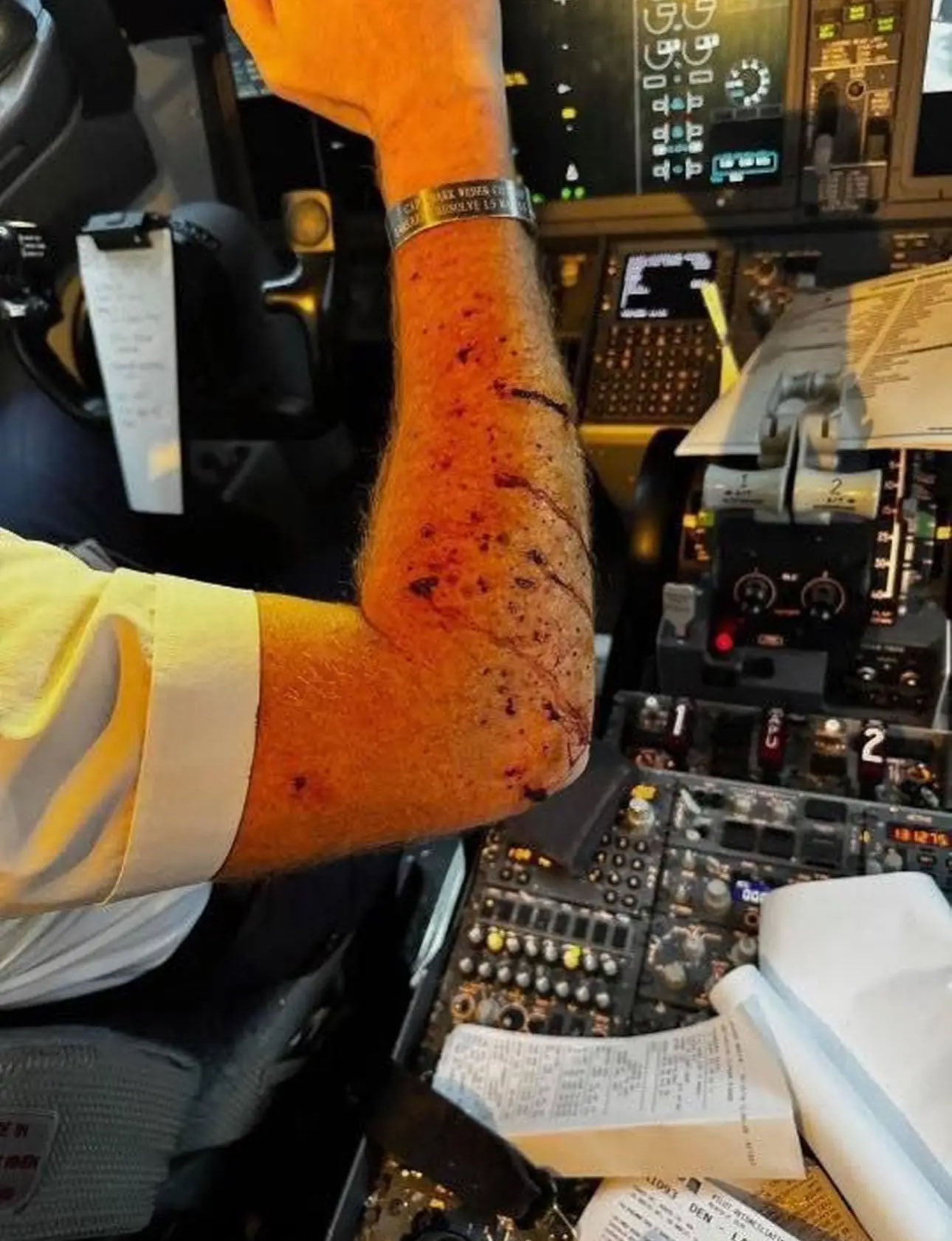
Since there has never been a recorded case of an aircraft colliding with an object falling from space in the entire history of global aviation, the theory involving space debris/meteorites attracted a lot of attention. SpaceX was named as one of the main suspects. Over the past five years, the company has launched over 10,000 Starlink satellites. It has been suggested that the object that hit the plane was a fragment left over from a launch or part of a satellite that had fallen out of orbit.
However, it turned out that SpaceX had nothing to do with the incident. Scott Manley, an engineer, pilot, and YouTube channel host, conducted his own investigation into the incident and concluded that UA1093 collided with a WindBorne weather balloon. Later, its representatives confirmed that Manley was right. According to the company’s statement, they had already submitted all the necessary data to the US Federal Aviation Administration and the National Transportation Safety Board.
Hi Scott, cofounder/CEO of @WindBorneWx here. Yes, I think this was a WindBorne balloon. We learned about UA1093 and the potential that it was related to one of our balloons at 11pm PT on Sunday and immediately looked into it. At 6am PT, we sent our preliminary investigation to…
— John Dean (@johndeanl) October 21, 2025
WindBorne has a global fleet of weather balloons that fly along various vertical profiles around the world, studying the atmosphere. These are fairly small devices. Their weight, including ballast, does not exceed 1.2 kg. They transmit information about temperature, wind, atmospheric pressure, etc. This data is necessary for creating weather models.
Previously, it was believed that WindBorne weather balloons posed no threat to airliners. The company’s website states in the “Frequently Asked Questions” section that they are designed in such a way that even in the unlikely event of a collision, they will break apart on impact and not cause significant damage. In addition, data on the exact position of each weather balloon is transmitted in real time, which in theory should have prevented such incidents from occurring.
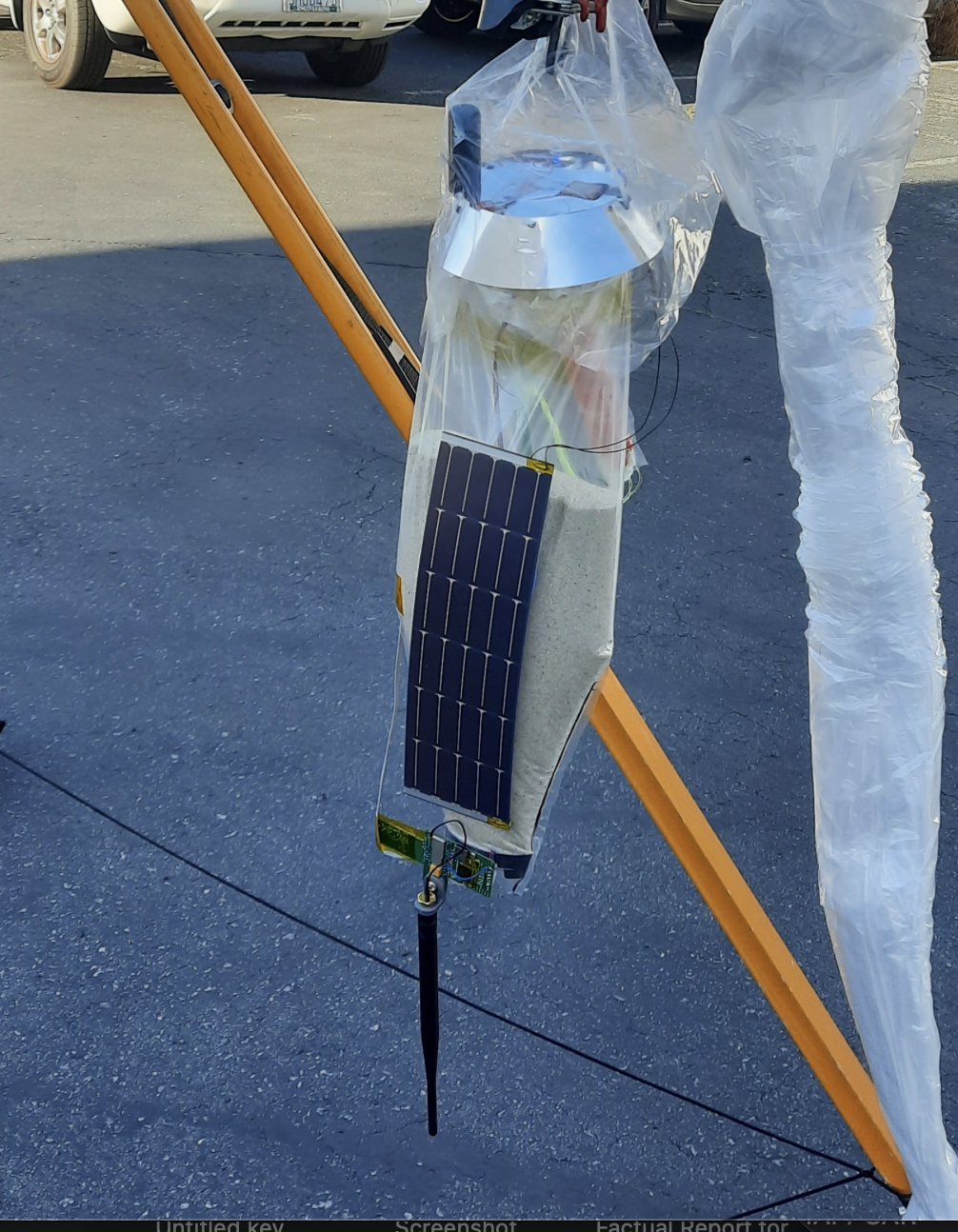
However unlikely the collision may have seemed, it still happened. The company has already announced that it has made a number of changes to its safety protocols to minimize the time spent by weather balloons at altitudes of 9 to 12 km. WindBorne also plans to make changes to the design of weather balloons and develop an autonomous aircraft avoidance system.

