

Australian company HEO Space has published images showing the secret Chinese satellite XJY-7. They have revealed previously unknown details about this spacecraft.
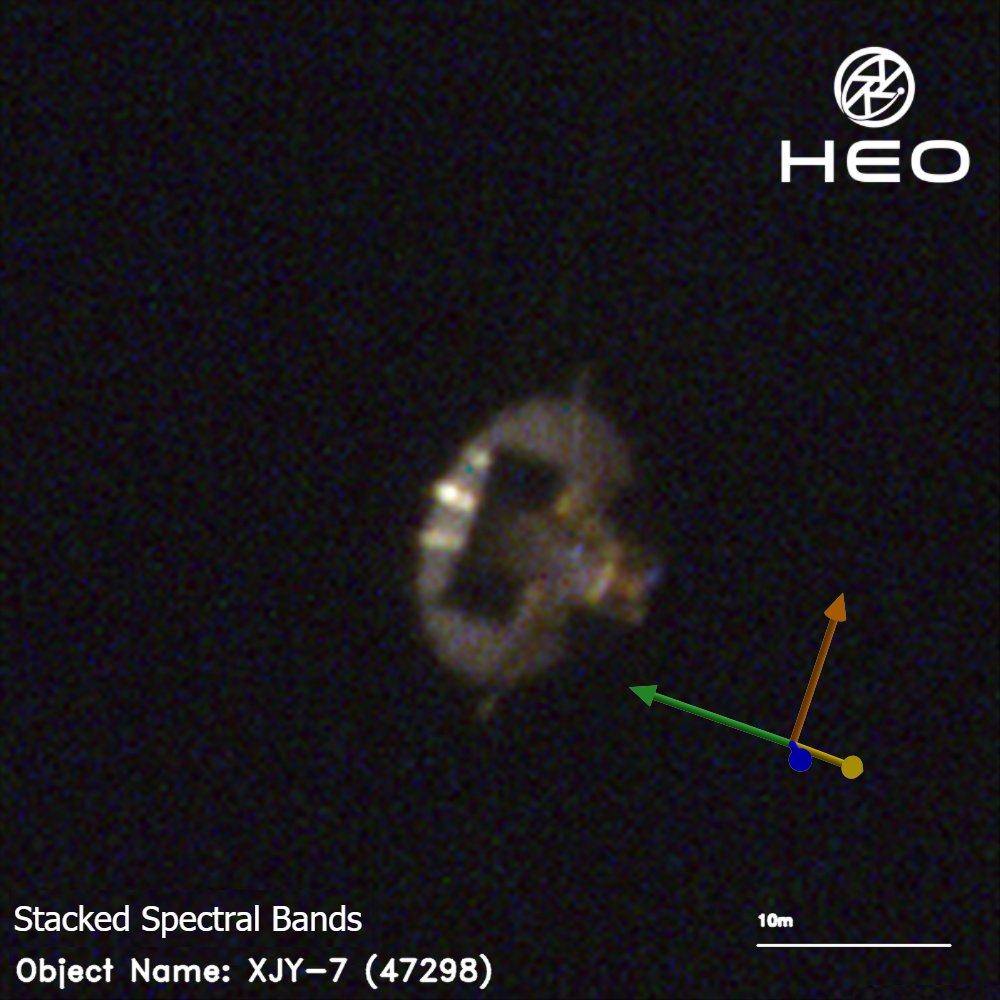
The XJY-7 (Xinjishu Yanzheng-7) satellite was launched in December 2020 as part of the debut flight of the Long March 8 rocket. According to an official statement by the China Academy of Space Technology (CAST), which developed it, it was intended to test new technologies. All other information about the nature of the spacecraft was limited to the rendering shown during its launch into orbit.
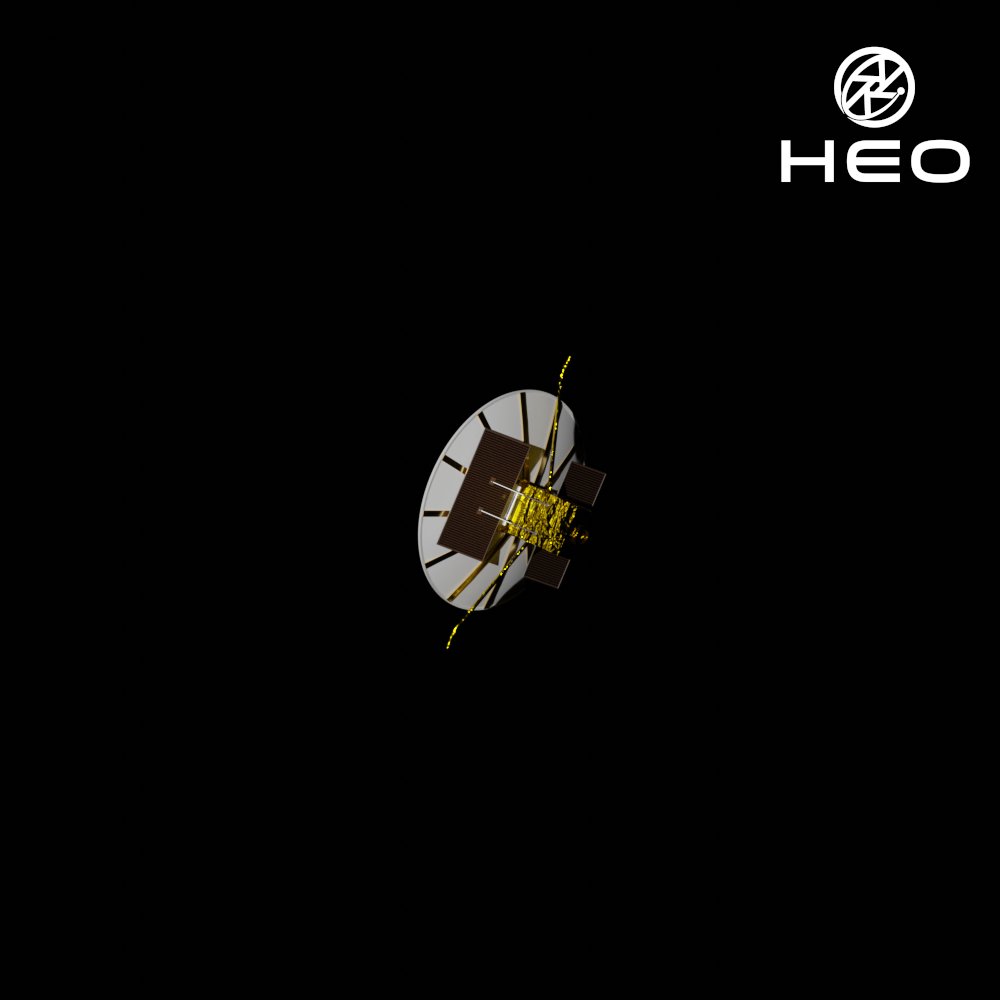
HEO Space, which specializes in photographing spacecraft using partner satellites, has managed to shed light on the nature of XJY-7. The company has published both an image and a 3D model of it. It was created based on numerous observations from different angles and locations, which made it possible to reveal the true configuration and behavior of the satellite.
The images showed that XJY-7 was a SAR satellite. The vehicle was equipped with a synthetic aperture radar, which allowed it to obtain highly detailed radar images of the Earth’s surface and objects on it, regardless of weather conditions and time of day. XJY-7 had a large antenna and two fixed solar panels. Because of this, the spacecraft had to rotate its entire body to obtain the energy necessary for operation.
As of now, XJY-7 has ceased to exist. According to satellite satellite tracker Marco Langbroek, it appears to have entered Earth’s atmosphere over the Canary Islands on October 16.
1/2
— Dr Marco Langbroek (@Marco_Langbroek) October 17, 2025
New blogpost:
"Identifying a reentry over the Canary Islands on 16 October as the reentry of the Chinese satellite Xinjishu Yanzheng 7 (XJY-7)"
(link to blogpost in next tweet) pic.twitter.com/wflVOjhbyT
Satellite imaging has gained significant geopolitical importance in recent years. In July 2025, Vantor (formerly Maxar) published images of the Chinese spy satellite Shijian-26. The Chinese company Changguang Satellite Technology later responded in kind by publishing images of the Worldview satellite that photographed Shijian.
Earlier, we reported on how HEO Space published a photo of the ISS.
According to Spacenews

