

NASA is actively developing and researching an amazing metal alloy that does not expand but, on the contrary, contracts when heated. This material could be the key to the success of the future Habitable Worlds Observatory (HWO), designed to search for signs of life on distant planets.
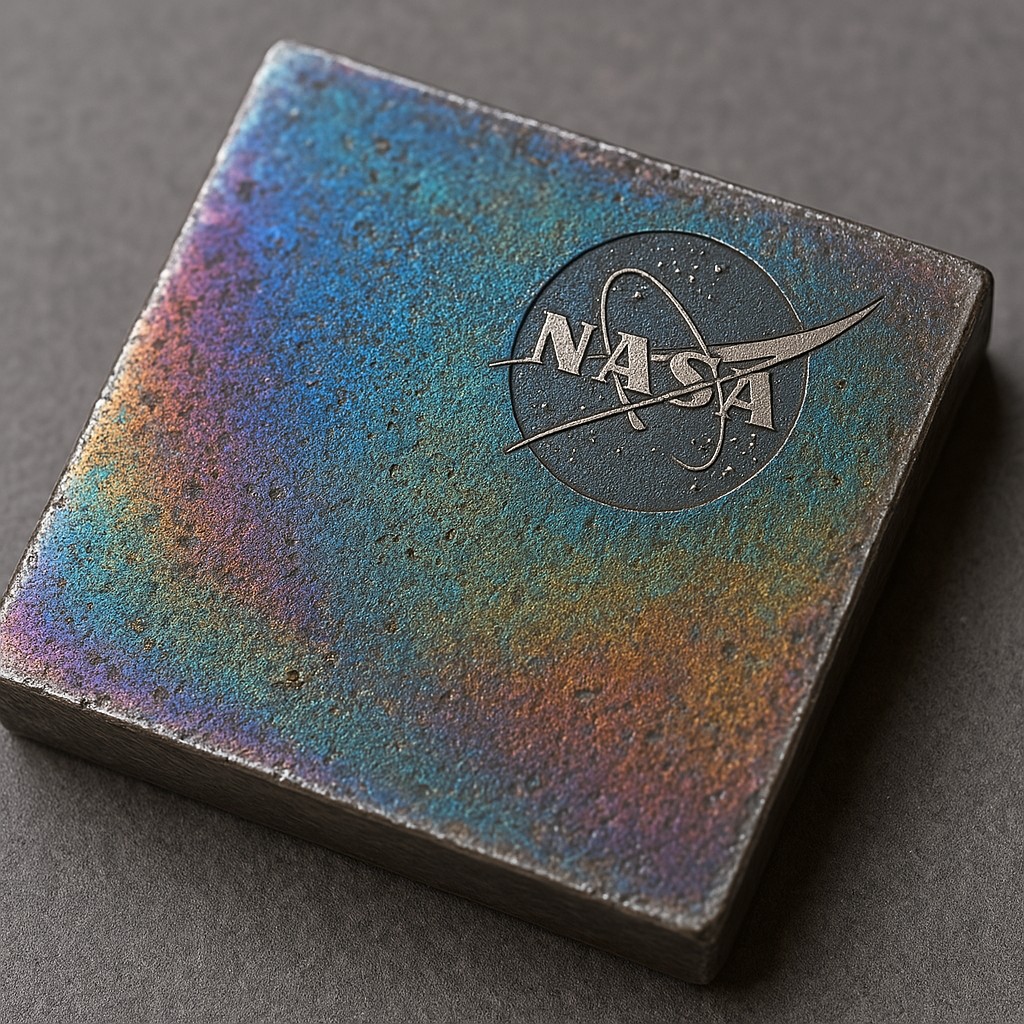
We all know from school that all metals expand when heated. This is a big problem for high-precision space telescopes. Heating during operation in space causes components, especially mirrors, to deform. Even microscopic changes in shape can distort the image and make observations impossible. The space agency is already using special materials that compensate for this expansion in the James Webb and Nancy Grace Roman (2027) telescopes. However, HWO’s ambitious goals require a fundamentally new level of stability.
Dreaming of other worlds
The goal of HWO is to directly observe Earth-like exoplanets and analyze their atmospheres. This requires detecting the faint light of the planet, hidden in the rays of its parent star, which shines a billion times brighter. To cope with this, the HWO observatory has to achieve an incredible contrast ratio of 1:1,000,000,000. This means that the stability of the telescope’s structure should be 1,000 times higher than that of the revolutionary James Webb telescope.
Solution to the paradox of physics
This is where the alloy with the “negative thermal expansion” phenomenon, developed by ALLVAR in collaboration with NASA, comes into play. Unlike conventional metals, this alloy (designated ALLVAR 30) contracts when heated. For example, a 1-meter piece of this alloy shortens by 0.003 mm per degree °C when heated. This unique property allows the alloy to be used for strategic compensation of thermal expansion of conventional materials in telescope construction.
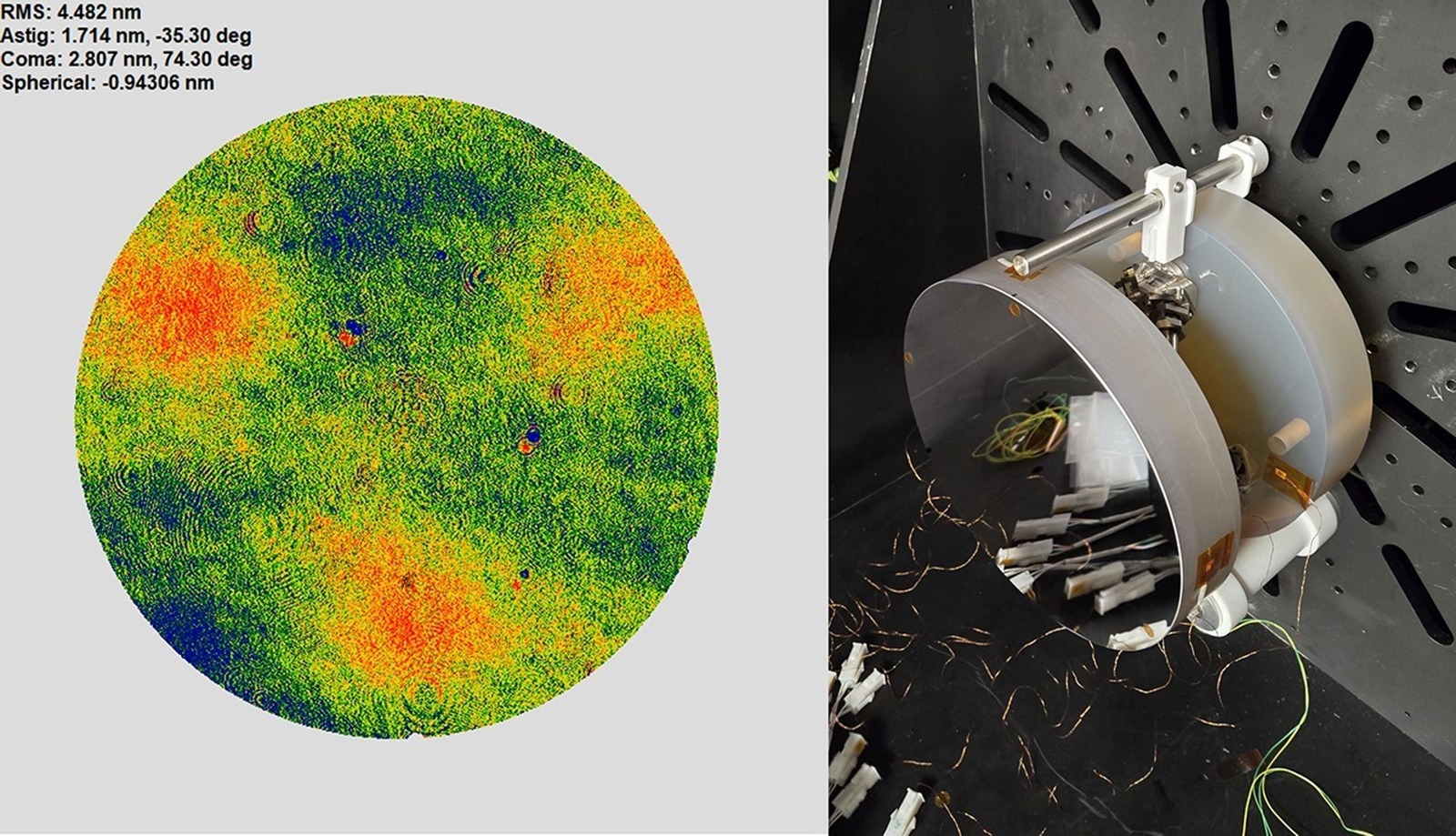
The first tests were super encouraging. NASA tested a mirror mounted on a mix of regular titanium supports and ALLVAR 30 alloy supports. The experiment showed that the prototype of the new alloy effectively compensated for the expansion of titanium, maintaining the stability of the mirror. Furthermore, the alloy demonstrated its ability to improve passive thermal stabilization and protect bolted joints and infrared optics from the harmful effects of temperature fluctuations.
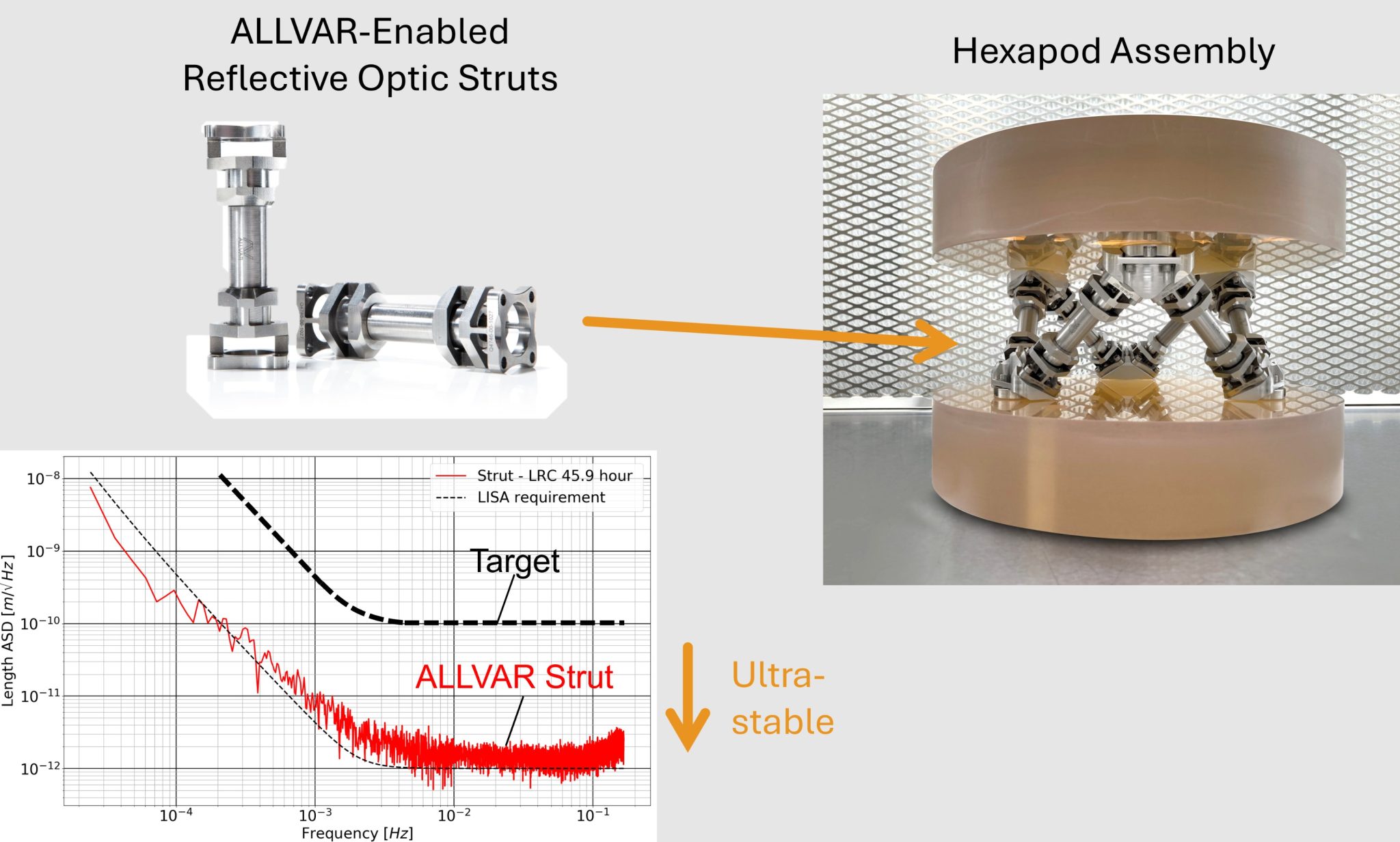
This success opens the door for the use of ALLVAR 30 alloy not only in HWO but also in many other space missions where extreme thermal stability is critical for data accuracy. This remarkable metal, which defies conventional heating laws, could become the foundation for future discoveries in the search for life beyond our Solar System.
We previously reported on how new space observatories would be able to see eclipses on exoplanets.
According to NASA

