

The cyclical transformation of the Moon from a thin crescent to a fully illuminated disk has amazed scientists for centuries, helped travelers, and inspired poets. Today, we’re in the digital age, and this heavenly phenomenon is getting a new artistic twist thanks to creative developers who use the simplest tool — ASCII characters.
ASCIIMoon
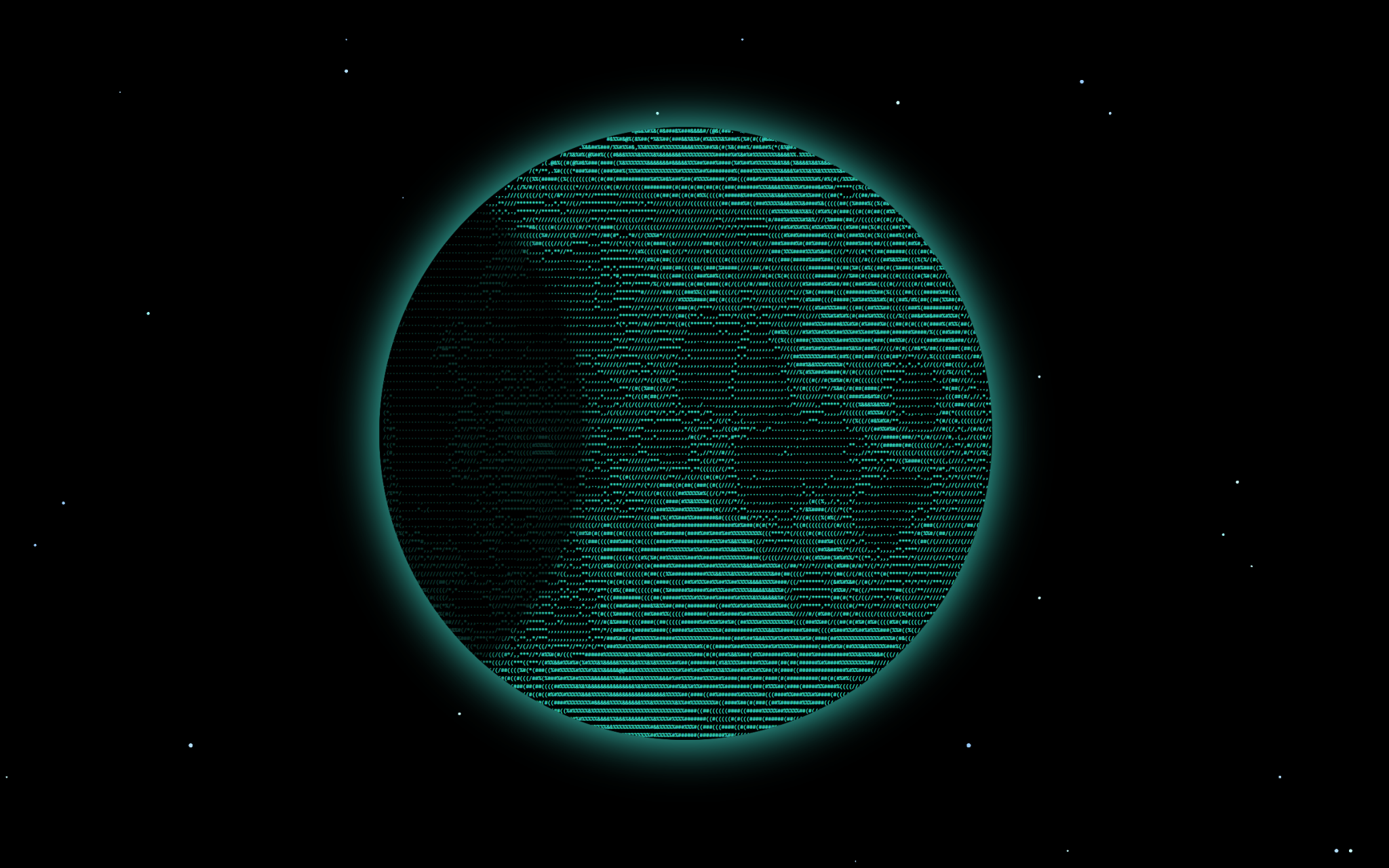
Imagine the phases of the moon as an elegant watch face — this is precisely the concept that Sean Rooney has embodied in his ASCIIMoon project. This is not just an indicator, but a stylized ASCII artistic reproduction of the real lunar cycle, calculating the percentage of the surface illuminated by the Sun as seen from Earth.
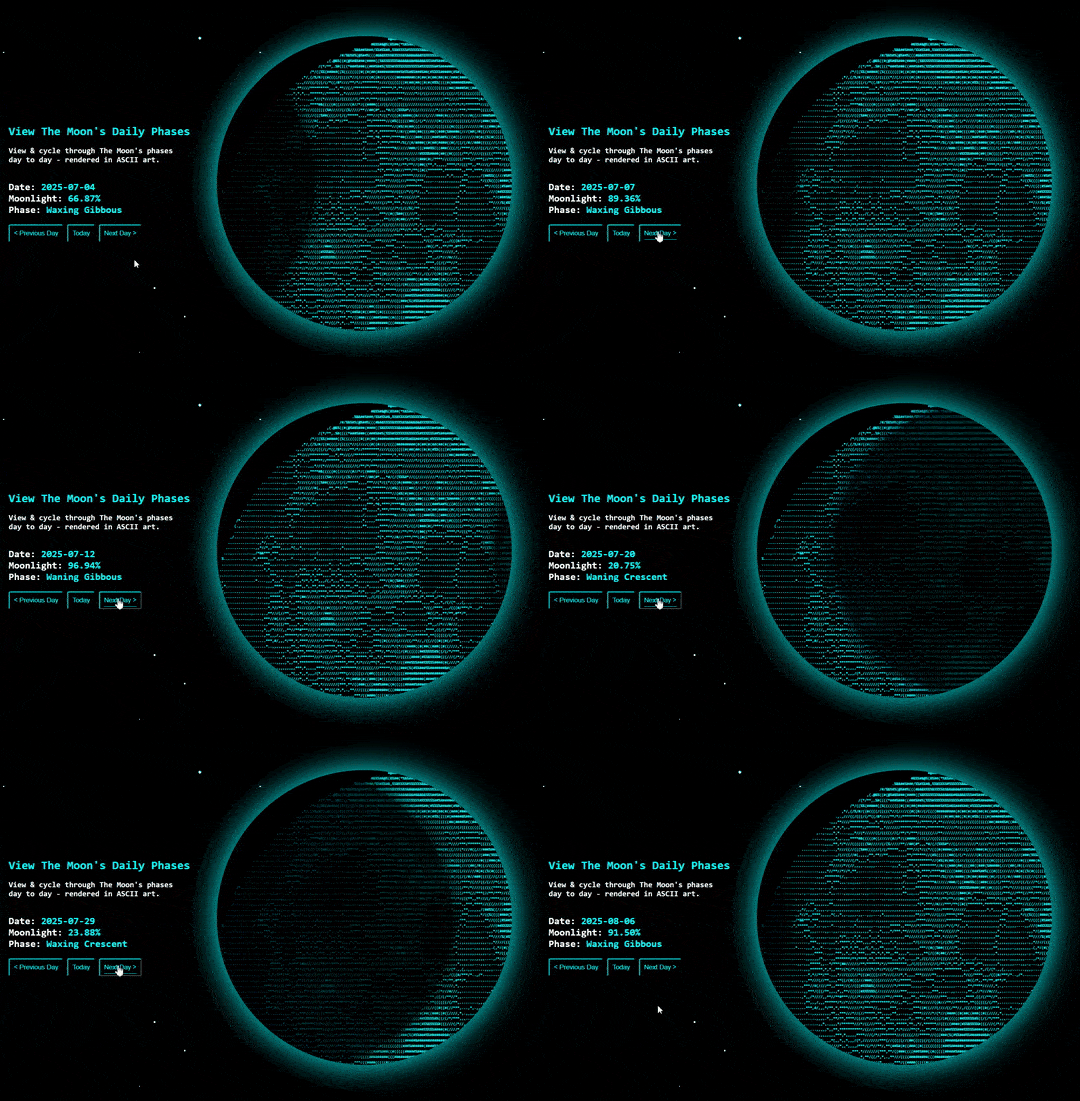
This web application is a small digital planetarium on your screen, reminding you of the constant movement of celestial bodies using a language that any computer can understand. It demonstrates how even the simplest elements can become a window into the Universe.
Moon phases in the terminal
ASCIIMoon is a masterful example of transforming scientific data into animated visualization. But its real magic lies in displaying complex calculations through simple symbolic graphics. Using a set of familiar ASCII characters (#, *, ., ), it generates a stylized image of the moon in a browser or terminal.
It is important to emphasize that the author openly states that this is a personal, artistic project, and not a claim to astronomical accuracy in depicting craters or seas on the surface of the Moon reproduced by symbols.
ASCIIMoon is an artistic interpretation of a cosmic phenomenon, a digital replacement for observation with the naked eye, available at any moment, even when the real Moon is hidden behind clouds, the horizon, or turned away from us with its dark side.
We previously reported on how to explore the phases of the Moon with your child.
According to boingboing.net

