

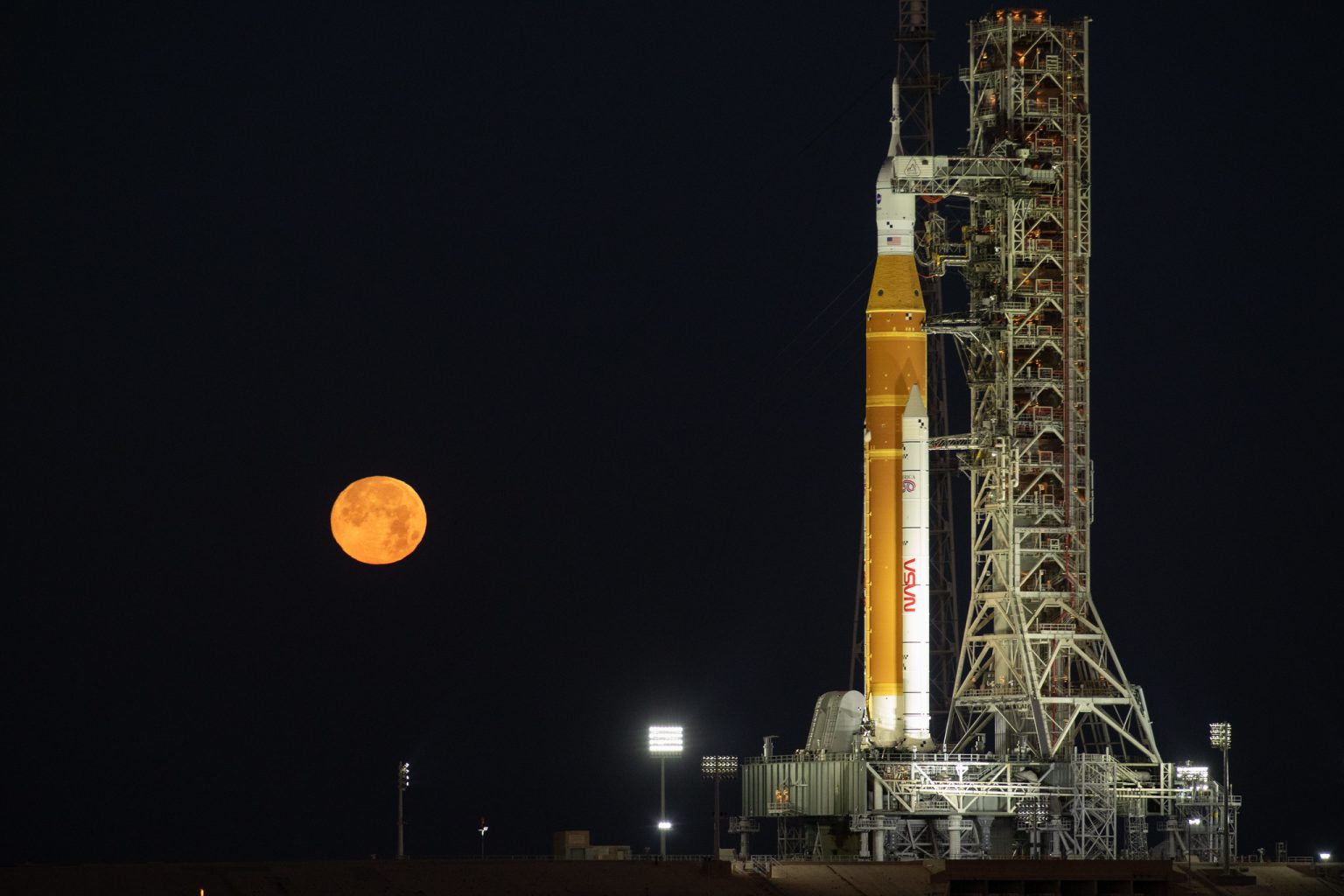
This week, astronomy enthusiasts will be able to observe the first full moon of spring. In addition to its beauty, this phenomenon coincides with a historic event—the launch of the Artemis II crewed mission, which will return humans to the Moon.
Why is April’s moon called the Pink Moon?
The full moon will reach its peak on Wednesday, April 1. The moon will appear full for three days—from Tuesday through Thursday. Despite its poetic name, the moon will not change color—it will remain its usual bright gray.

The name Pink Moon comes from the traditions of the indigenous peoples of North America. It is dedicated to the early blooming of Phlox subulata, also known as pink moss. These flowers are the ones that cover the fields with a colorful carpet during the April’s full moon.
Artemis II — The Dawn of a New Era
The full moon in April 2026 could be the last in the history of the “pre-lunar” era. NASA has set the first launch window for the Artemis II mission for the period from April 1 to April 6. Four astronauts are scheduled to fly around the Moon. This will be the first human mission into deep space in more than 50 years.
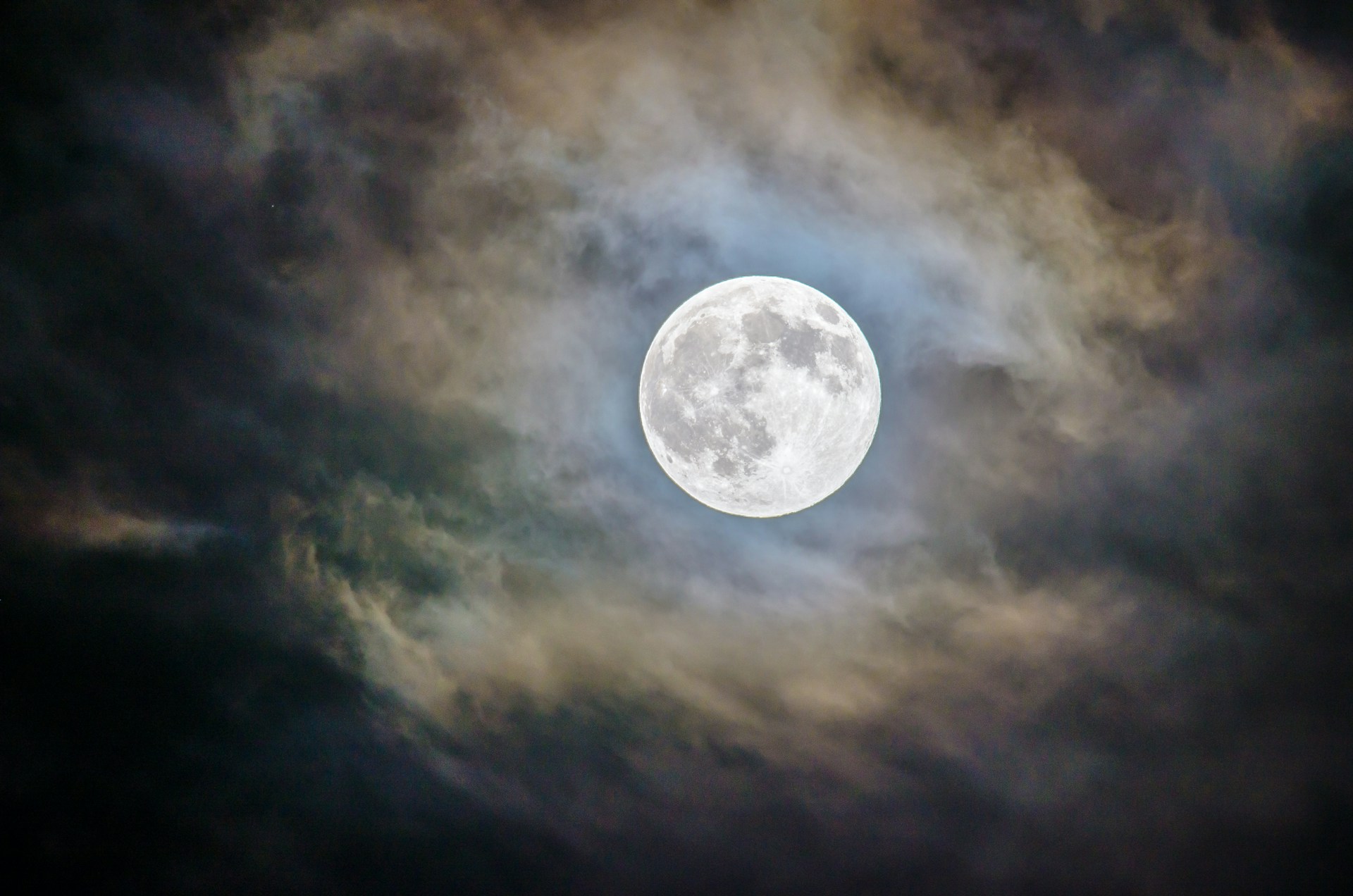
As Noah Petro, the head of the NASA laboratory, noted, this view of the Moon would be different for everyone, since at that moment the crew might already be en route or might have just left Earth.
Calendar of astronomical events for spring
April and May promise to be exciting months for those who love shooting stars:
The Lyrids (April 21–22)
One of the oldest meteor showers, caused by particles from Comet Thatcher. Up to 10–20 meteors per hour are expected. The best time for observation is after the moon sets and before dawn.
The Eta Aquarids (May 5–6)
This meteor shower is caused by the famous Halley’s Comet. The meteors will streak through the atmosphere at a speed of 65 km/s, leaving behind bright, glowing trails. Although the moon’s brightness may slightly interfere with viewing, this spectacle is well worth seeing.
Blue Moon in May
May 2026 will bring us two full moons: on the 1st and the 31st. The second full moon in a single calendar month is called a Blue Moon. This phenomenon occurs on average once every 2.5 years, which gave rise to the English expression “Once in a Blue Moon” (something very rare).
We previously reported on NASA’s plans to build a permanent outpost beyond Earth.
According to CNN

