

The ability to reuse valuable materials in the space industry is a skill on which the survival of future colonists depends. Researchers at Rice University have developed a method for recycling used lithium-ion batteries using microwave-induced plasma, which allows for the recovery of nearly all key battery components while reducing the use of chemicals and energy.
This involves the pre-processing of so-called black mass—a finely ground mixture of materials from old batteries containing lithium, cobalt, nickel, manganese, aluminum, and graphite. The team demonstrated that, following a 15-minute treatment in a specialized plasma reactor, it is possible to selectively extract approximately 85% of the lithium in water and about 95% of the transition metals in 1-molar citric acid at room temperature. It is also important to note that the process not only simplifies the extraction of metals but also recovers graphite, which often degrades and loses its value in conventional processing methods.
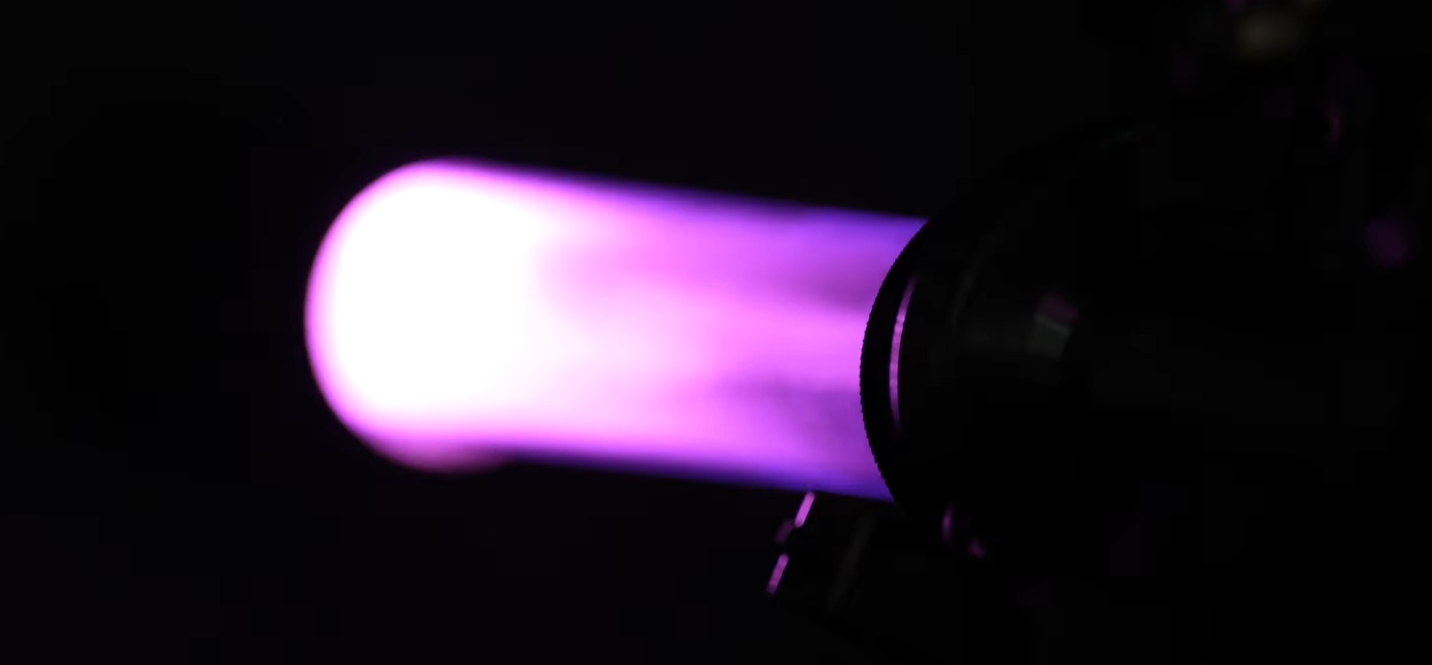
The authors explain that plasma, microwave excitation, and localized heating collectively alter the structure of cathode oxide materials, transforming them into forms from which metals can be more easily extracted using milder solvents. According to Rice University, the technology has already been patented, and a preliminary technical and economic analysis indicates that it could outperform some current industrial approaches, particularly by recovering graphite in a form suitable for reuse.
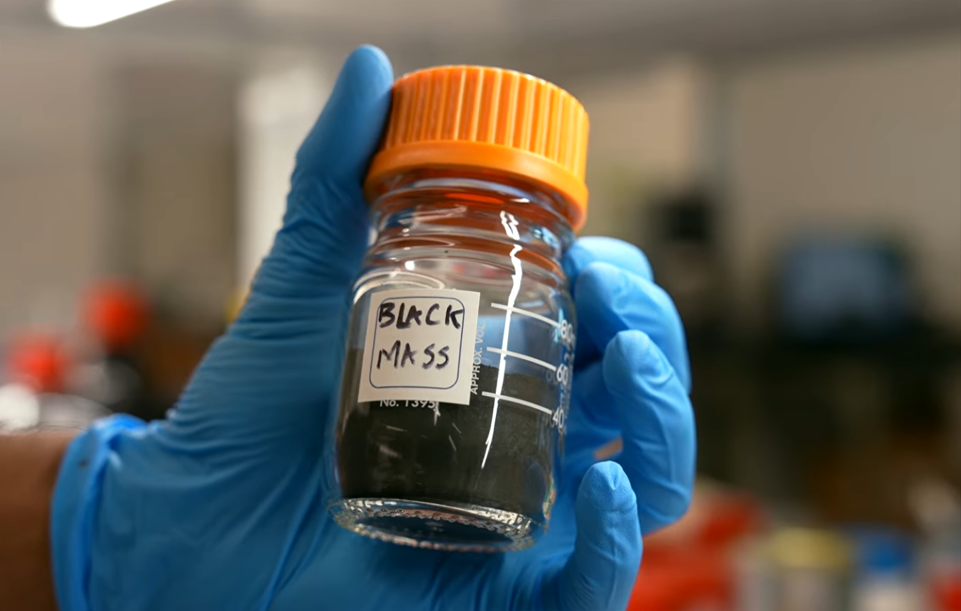
How does it work? First, old batteries are turned into a powdery mixture called “black mass.” After that, it is treated with plasma generated by microwaves. This treatment breaks down and partially restructures the metal bonds, making it easier to wash away the lithium with water and other valuable metals with a weak citric acid solution. At the same time, the graphite is purified and recycled, making it suitable for reuse in the anodes of new batteries.
Why is this important? From the perspective of space technology, this development is significant because future lunar or Martian bases will require a resource cycle that is as closed as possible. If precious metals and graphite can be efficiently extracted from used batteries with lower energy consumption and without the use of harsh chemicals, this could potentially reduce the amount of supplies that need to be shipped from Earth.

