

Rocket Lab has joined the “Golden Dome” program. Together with Raytheon, they will develop an orbital interceptor for the U.S. government. Several high-altitude hypersonic tests will also be conducted for Anduril.
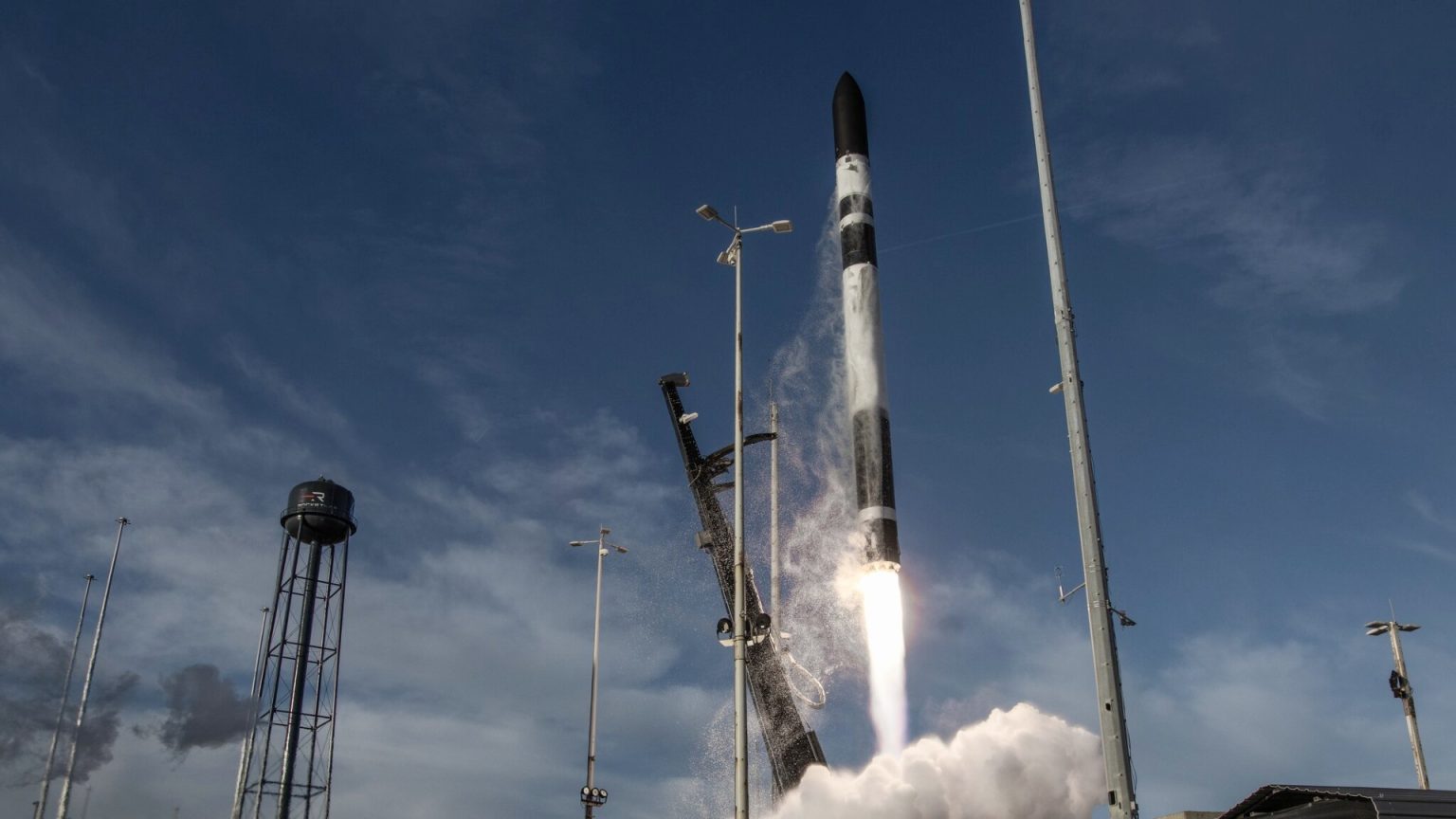
Rocket Lab will be developing a U.S. space defense system
On May 7, Rocket Lab announced that it had been awarded a contract by the Pentagon under the “Golden Dome” program. The goal of the latter is to establish a strong missile defense system capable of protecting the United States in the face of new technologies.
Rocket Lab started out as a small light-lift launch vehicle operator based in New Zealand, but its headquarters have been in California for many years. Therefore, it is not surprising that the U.S. military entrusted it with the task of creating the key component of this system—a space-based interceptor.
It will cooperate with Raytheon—a long-standing partner of the U.S. Army and the developer of the Patriot air defense system and the Tomahawk cruise missile—to carry out this work. Thus, these two companies were selected from among all 12 to implement the program.
In this way, Rocket Lab’s engineering genius has found worthy partners. And the task ahead of them is no easy one. According to the company’s CFO, Adam Spice, development will take place in several phases, and the company plans to tackle the first few entirely on its own.
Tests for Anduril
Meanwhile, Rocket Lab announced that Anduril Industries had ordered three HASTE rocket launches from them to conduct high-altitude tests of hypersonic vehicles. The launches will take place from the company’s Launch Complex 2, located in Virginia.
HASTE (Hypersonic Accelerator Suborbital Test Electron) is a variant of Rocket Lab’s launch vehicle that has been modified to reach hypersonic speeds with a payload in the upper atmosphere.
Rocket Lab believes that this market will grow rapidly in the near future, and it seems they are right. Back in March, long before the contract with Anduril, they received an order from the Pentagon for 20 HASTE launches. This accounts for a significant portion of the company’s current contract portfolio.
According to spacenews.com

