

Previously, scientists believed that Uranus, unlike other gas giants, did not emit its own heat. However, they have now established that this is not actually the case, and this could significantly affect our understanding of the planet’s origins and plans for its exploration.
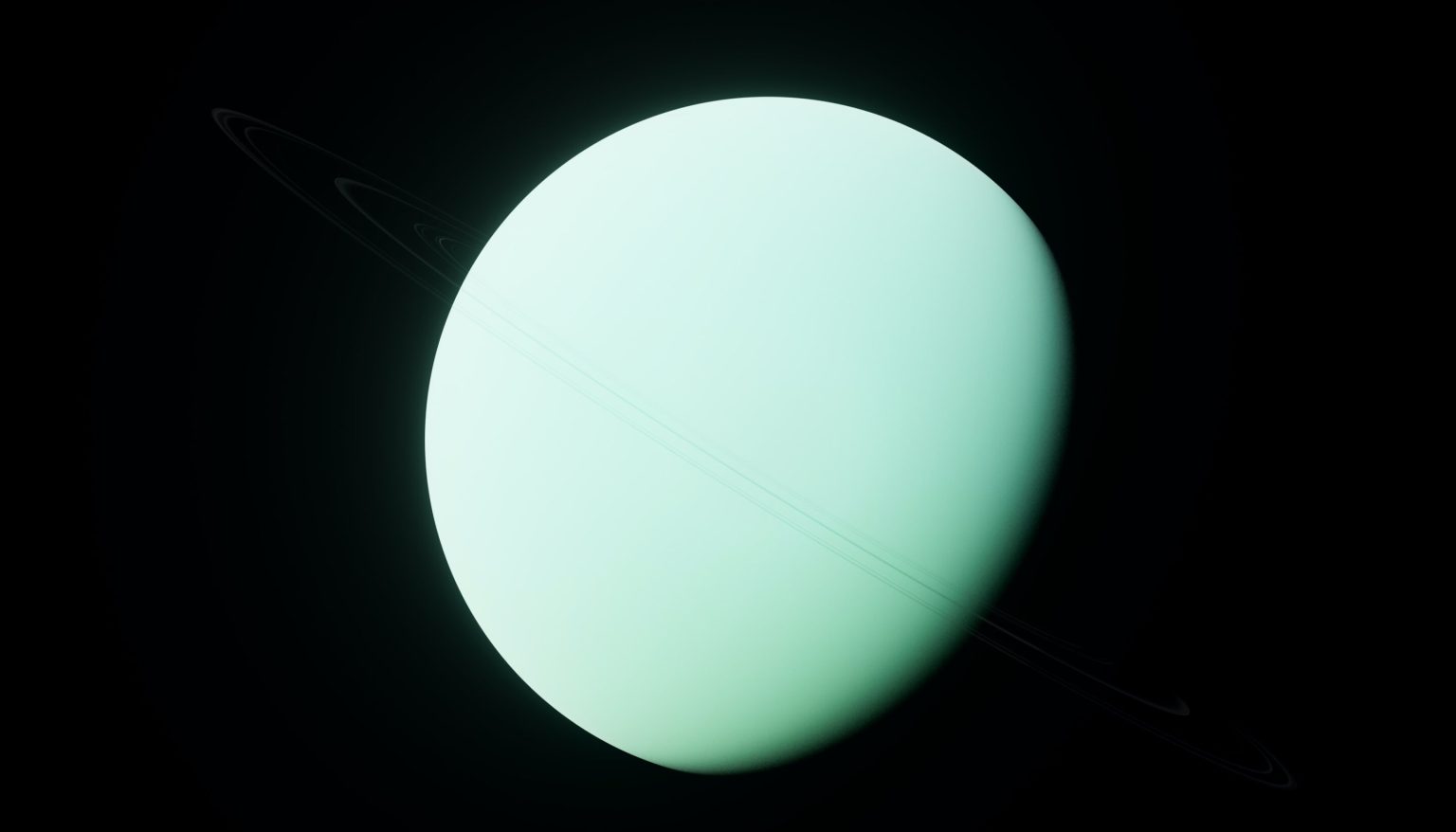
The warmth of Uranus
Uranus is an extremely cold planet, but it still emits its own heat. At least, that is what a publication in the journal Geophysical Research Letters claims. It could significantly affect its research plans in the near future.
Gas giants are giant bubbles, in the depths of which matter exists in surprising states and processes occur that are not fully understood, but the result is quite clear: they emit more heat than they receive from the Sun.
All except Uranus. At least, that is the conclusion scientists have drawn based on data collected during Voyager 2’s flyby of the planet in 1986. And this somewhat contradicts everything scientists know about the evolution of such planets.
No mystery
And now we can say that the mystery surrounding Uranus’ heat is not as great as previously thought. The fact is that data collected over several decades shows that the planet still emits slightly more energy than it receives from the Sun. The difference is quite small – about 12.5%. For comparison, for Jupiter this value is about 100%, meaning that it emits twice as much energy as it receives from the Sun.
The authors of the study suggest that Uranus may still be expending the heat it had at the beginning of its history. This may seem strange, but both the heat influx from the Sun and its own temperature are so low that it really may have enough energy for this.
In addition, researchers have found that it emits heat differently depending on the season. And on Uranus, they last for 20 Earth years. In short, scientists now have a new argument in favor of launching a probe to the planet, which is already one of the most ambitious missions planned for the next decade.
According to phys.org

