

A new study of historical astrophotographs from the pre-space age has revealed a link between unidentified objects in the sky and nuclear tests. Scientists came to this conclusion by comparing the dates of their observations.
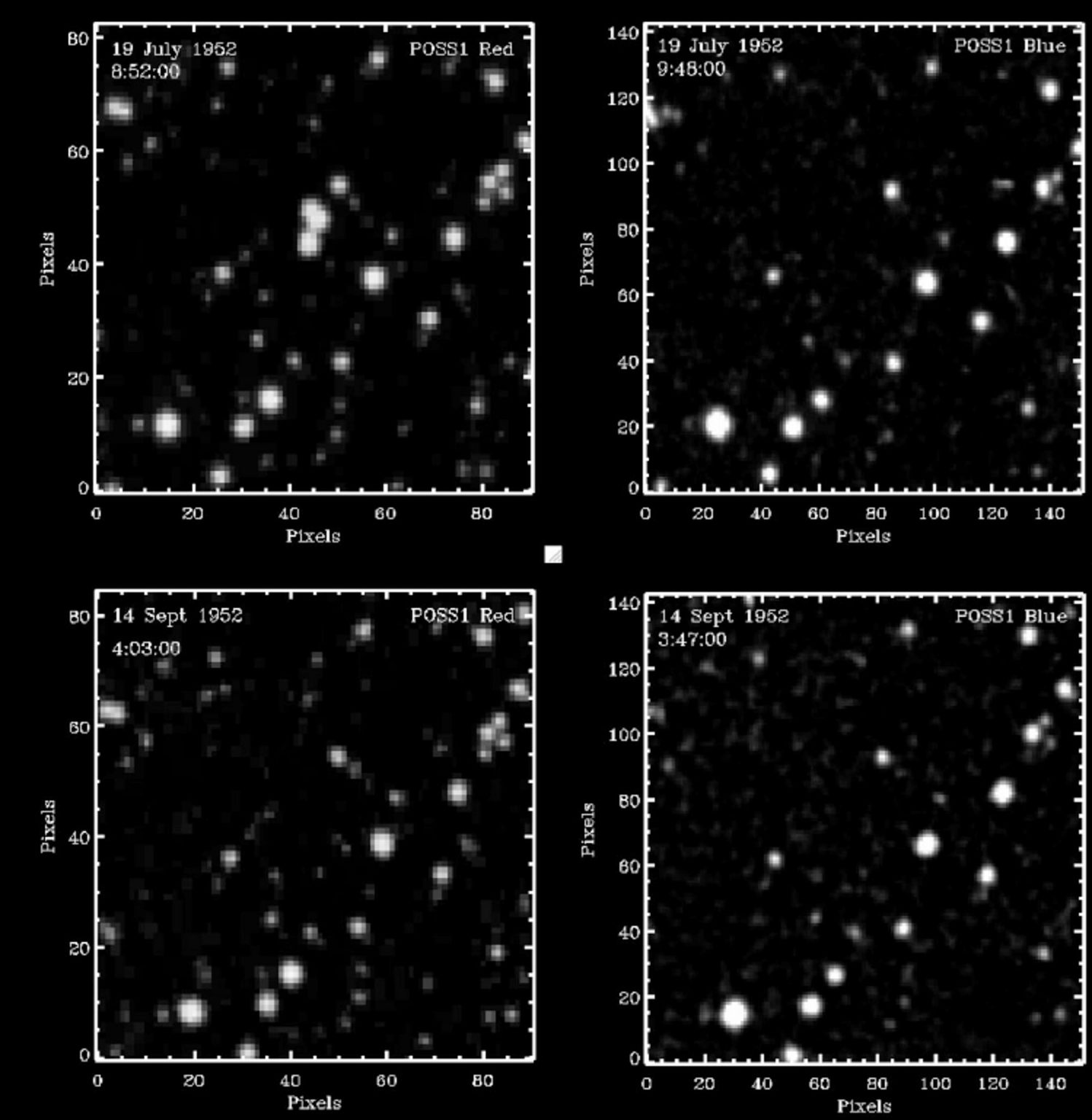
The discovery was made by participants in the VASCO project. As part of this initiative, scientists search archives of digitized photographs of old astronomical objects for so-called transient objects. This is the name given to star-like objects that appear in one photograph but disappear by the time the same area of the sky is photographed again. Their origin is unknown, and suggested explanations range from asteroids to defects in photographic plates and UFOs.
For decades, it has been speculated that some of these transients were linked to nuclear weapons testing, but until recently, no peer-reviewed study had tested this statistical link. A team of researchers from VASCO decided to investigate this possibility. To do this, they analyzed historical photographs taken by the Palomar Observatory between 1949 and 1957, and then compared the dates of transient observations with the dates of ground-based nuclear tests and the number of reports of mysterious phenomena in the sky.
Scientists found that the probability of observing transient phenomena within one day after a nuclear weapon test was 45% higher. In addition, the number of these flashes increased significantly when UFOs were observed. In particular, the total number of transitional phenomena increased by 8.5% with each additional UFO sighting. The study also showed that UFOs were observed slightly more frequently during periods of nuclear testing.
Scientists do not claim to know the exact cause of transient phenomena or the nature of UFOs. However, their work may help to rule out some theories. For example, the correlation with nuclear tests suggests that the flashes are not plate defects, as it is unlikely that they would be clustered around specific historical dates.
Furthermore, the fact that the transient phenomena probably appeared the day after the nuclear tests suggests that they are not atmospheric remnants of the bombs, which would likely have flown across the sky shortly after the explosion. Although the mystery of what these transitional phenomena are remains unsolved, this study significantly narrows the range of possibilities for future investigations.
Earlier, we reported on the aerodynamic problems that prevent flying saucers from being built.
According to Phys.org

