

At the end of last year, a secret space operation took place: American and French military satellites performed a rendezvous maneuver near a potential enemy’s satellite. General Stephen Whiting of US Space Command emphasized that this maneuver was a clear response to Russia’s actions near French aircraft and a demonstration of the ability of allied countries to act together. The success will allow the exercises to be repeated this year.
A new era of space strategy
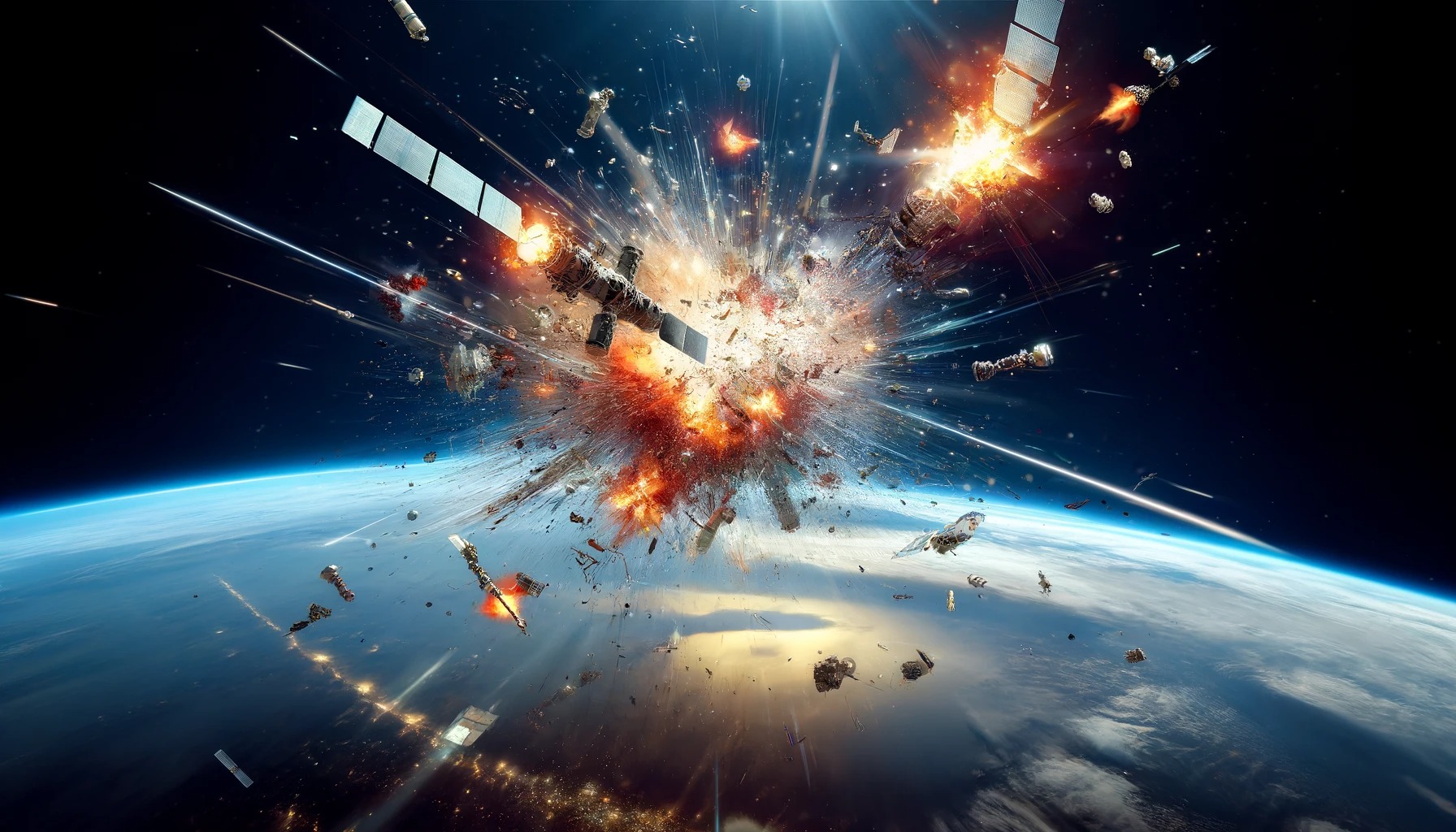
This event is a significant milestone. It symbolizes a radical change in approach: Space Force, revived in 2019, has completed its formation and is now focused on waging war in space. There are two reasons for this: the exponential growth of the US military’s dependence on satellites and the intensification of space threats.
The threat has changed. China has increased its satellite launches eightfold since 2015, overtaking Russia in space operations. Both countries, along with India, have already tested anti-satellite weapons in space. The US also accuses Russia of developing orbital nuclear weapons capable of destroying thousands of satellites in low Earth orbit (LEO).
Space Command is now openly demanding offensive capabilities: “We need space fires, we need weapons systems, we need orbital interceptors,” Whiting said. The Golden Dome plan (an anti-missile shield with space interceptors) will theoretically enable enemy satellites to be targeted. Allies follow the US: Britain has announced for the first time that it is developing its own anti-satellite weapon.
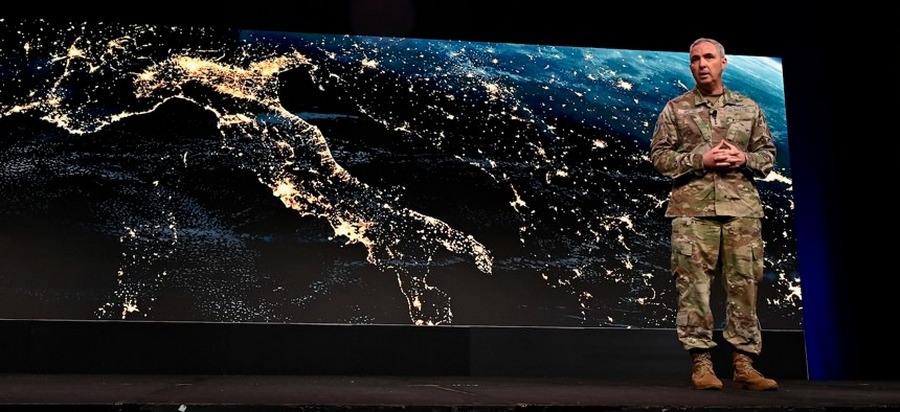
The US leads an alliance of six countries — Australia, Canada, France, Germany, New Zealand, and the UK — in Operation Olympic Defender to deter hostile actions in space. In April, the initiative reached initial operational capability, and all seven countries signed a joint campaign plan.
Resolving shortcomings
The key tactical problem is that maneuvering satellites consumes precious fuel. The proposed solution is to increase fuel reserves on board spacecraft and refine refueling maneuvers. China has already tested refueling a satellite in space, giving it a military advantage, while the US is still only developing such plans.
A large number of inexpensive devices in low Earth orbit will help track enemy ballistic missile launches. The US National Reconnaissance Office has launched more than 200 such satellites since 2023, with dozens more planned.
Whiting considers the implementation of AI on satellites for autonomous threat detection and evasive maneuvers to be a significant advantage. In the future, AI will enable satellites to operate in dense formations, protecting valuable objects such as communications satellites.
SpaceBot – commander’s assistant
While AI in space is still a prospect, it is already working on Earth. Space Command has created a large language model called SpaceBot, trained on data about threats and plans. Officers ask it about gaps in knowledge or response to attacks.
“What used to take 10 people and 5 hours to do can now be done on a computer in a matter of minutes,” notes Whiting. Space is becoming a new frontier, and the US and its allies are actively preparing for this game.
Earlier, we reported on how to destroy satellites in orbit.
According to economist.com

