

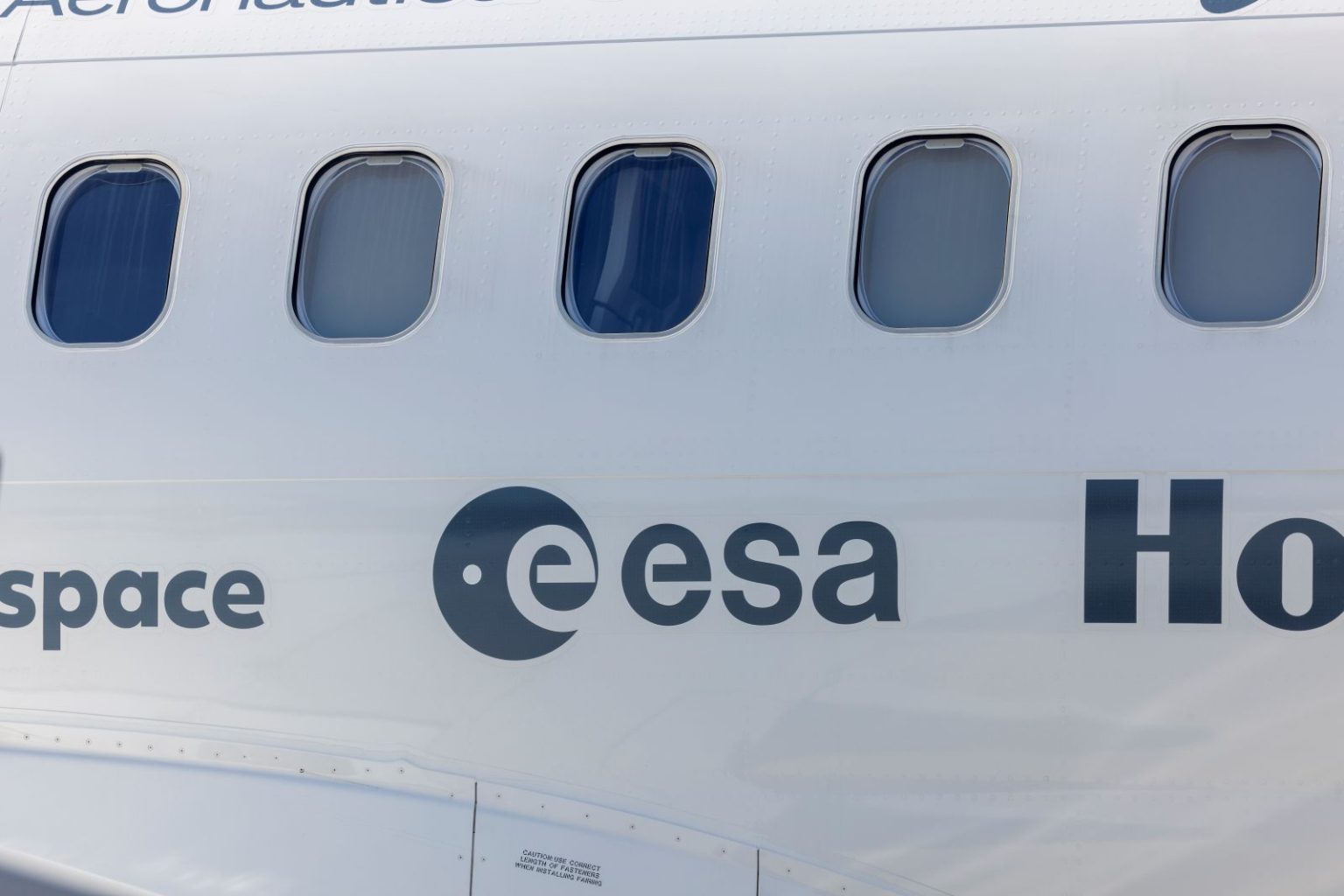
Shorter flight times, more accurate routes, and lower carbon emissions are not science fiction, but real goals of a new space-based air traffic control system. The European Space Agency (ESA), together with Boeing and Viasat, is currently testing technology that could change the aviation industry forever.

Today, pilots communicate with air traffic controllers via ground-based radio stations. However, the new Iris system transfers this function to near-Earth orbit. Aircraft transmit their location data to satellites, which then relay it to air traffic controllers. The new method will provide near real-time communication with incredible accuracy and coverage, even over oceans.
The Iris system has been operating in Europe since 2024, serving more than 17,000 flights. Boeing recently completed a series of test flights in the US on a United Airlines aircraft. The technology is integrated into the ecoDemonstrator program, which aims to make aviation more environmentally friendly.
Viasat’s infrastructure, consisting of 14 geostationary satellites, supports the system’s operation. It is planned that, over time, it will provide coverage across the globe.
Benefits for everyone
Space traffic management offers a whole range of benefits:
- Efficiency. Route optimization will reduce flight times.
- Environment. Direct routes and shorter flight times will reduce CO2 emissions.
- Safety. Continuous, accurate communication will improve safety.
- Comfort. Passengers will experience fewer flight delays.
“This is an important milestone on the road to a global solution,” emphasized Laurent Jaffart of ESA. “We are not only improving efficiency, but also safety, and helping aviation achieve its sustainability goals.”
A future in which air travel becomes faster, cleaner, and more predictable is already on the horizon thanks to space technology.
Earlier, we reported on whether it is possible to build a flying saucer.
According to ESA

