

Imagine the most severe punishment: instead of the electric chair or prison, sending the criminal straight to the Sun. This terrifying scientific idea was proposed by astronomer Michael J. Brown, associate professor at Monash University in Australia. The fact is that a flight to our star is literally a one-way ticket, because as you get closer, the temperature becomes so high that even the most protective spacesuit cannot protect a person from it. Therefore, in order to test human capabilities, the scientist proposes using volunteers. However, its practical implementation turns out to be one of the most difficult engineering challenges humanity may face. Why? The answer lies in the fundamental laws of physics and orbital mechanics.
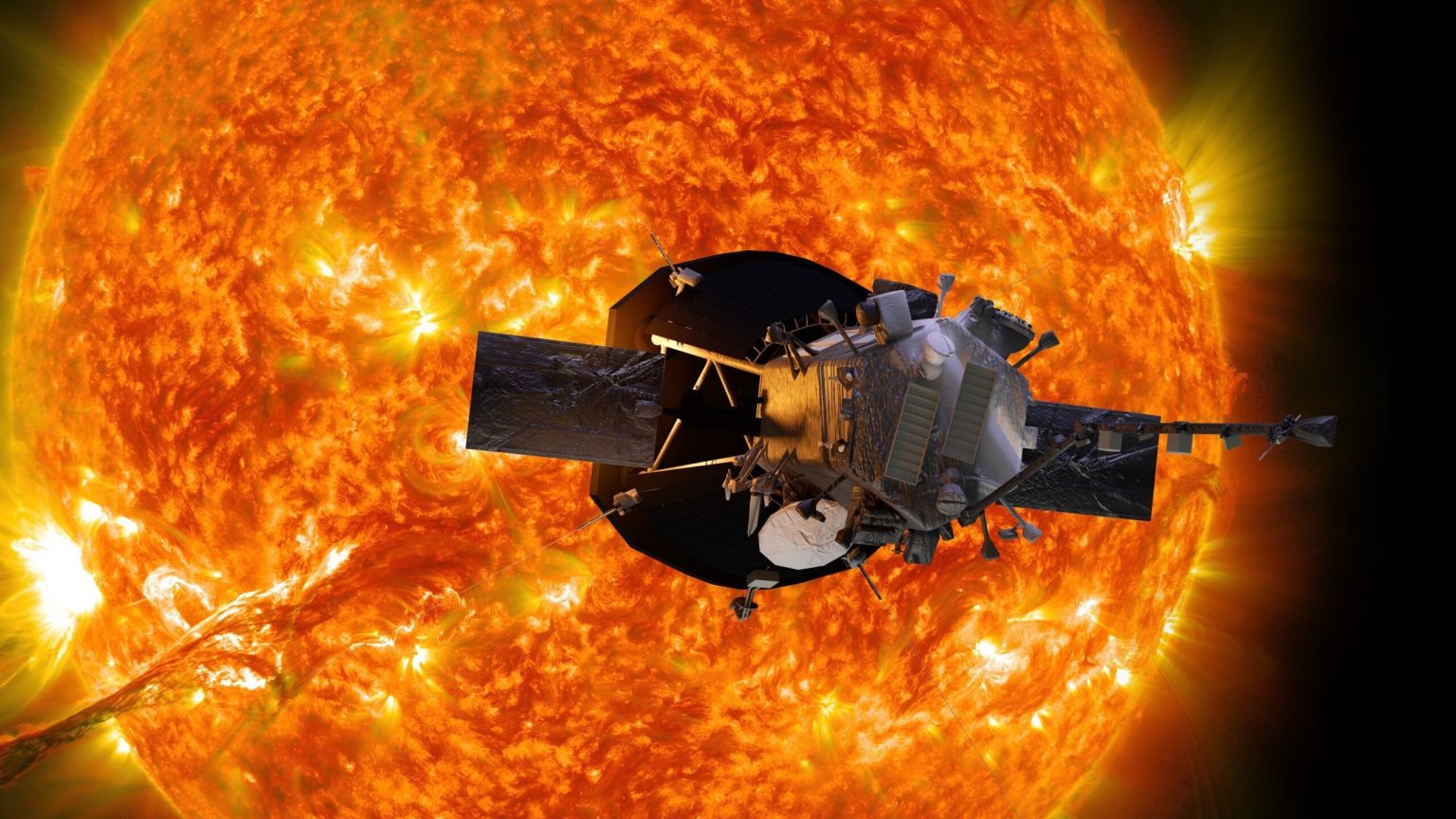
It would seem that all you need to do is develop a powerful rocket that can break free from Earth’s gravitational pull at a speed of 11.2 km/s and fly towards the Sun. But it’s not that simple. As the astronomer explains, our planet itself moves around the Sun at a tremendous speed – about 30 km/s. If a rocket is trying to reach the Sun, it should accelerate to this speed. However, in this case, instead of flying directly to the Sun, the spacecraft will end up in an elliptical orbit that will take it past the Sun. Simply launching a rocket from Earth’s orbit will result in failure—we will miss the target by an incredible 100 million km.
To send a rocket directly to the Sun and hit it, it would require tremendous speed—enough so that gravity would not distort its trajectory. How fast would it need to be? Approximately 7,000 km/s (25.2 million km/h).
How to slow down and accelerate in space?
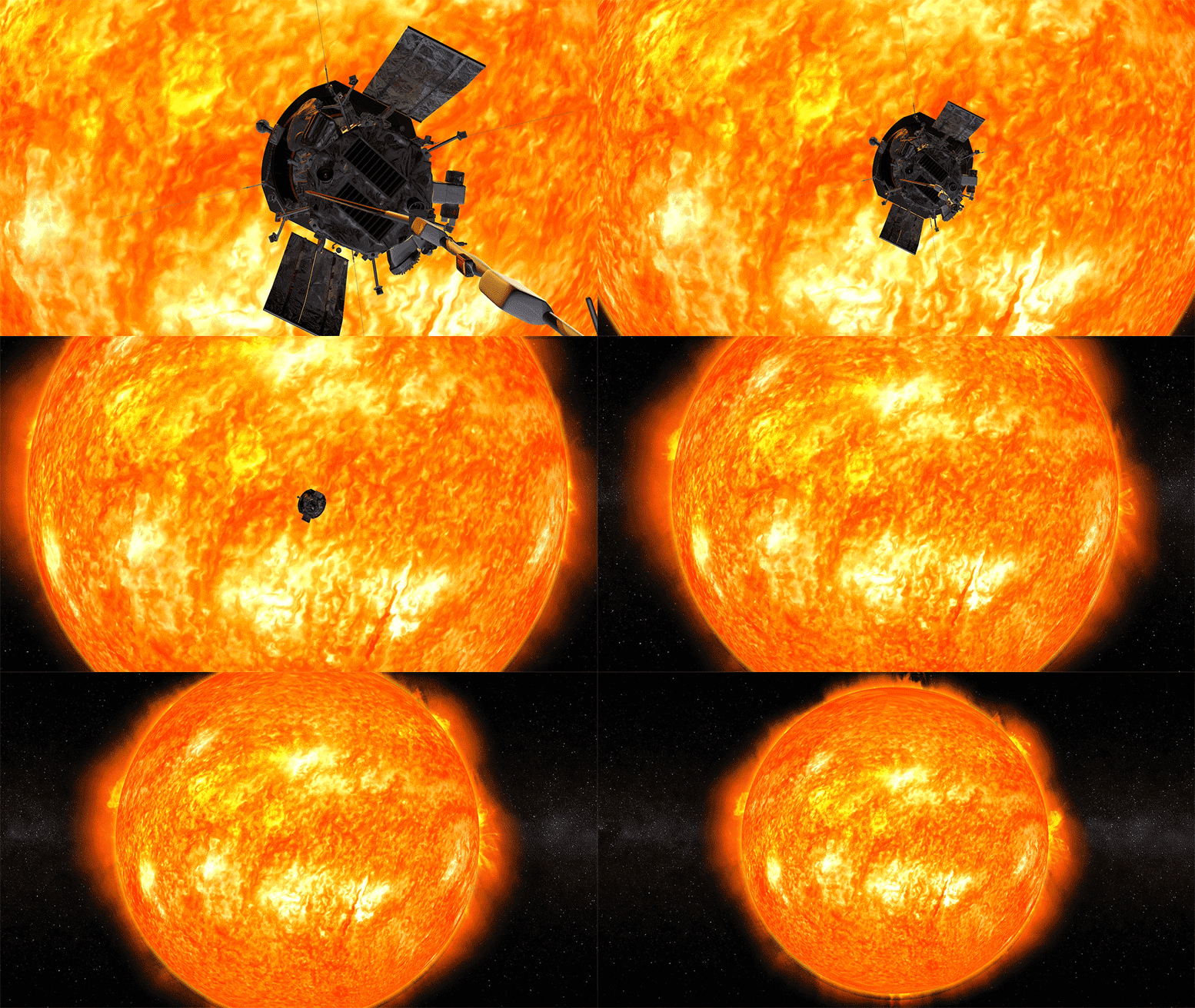
To “fall” onto the Sun, you actually need to stop. The rocket has to completely extinguish its orbital velocity of 30 km/s. To do this, it needs to move at a speed of about 32 km/s in the opposite direction to the movement of our planet. Only then, deprived of its own orbital velocity, will it begin to fall freely toward the Sun under the influence of its gravity. Such a journey would take about 10 weeks. That is enough time for a criminal to reflect on their actions before their inevitable fiery end.
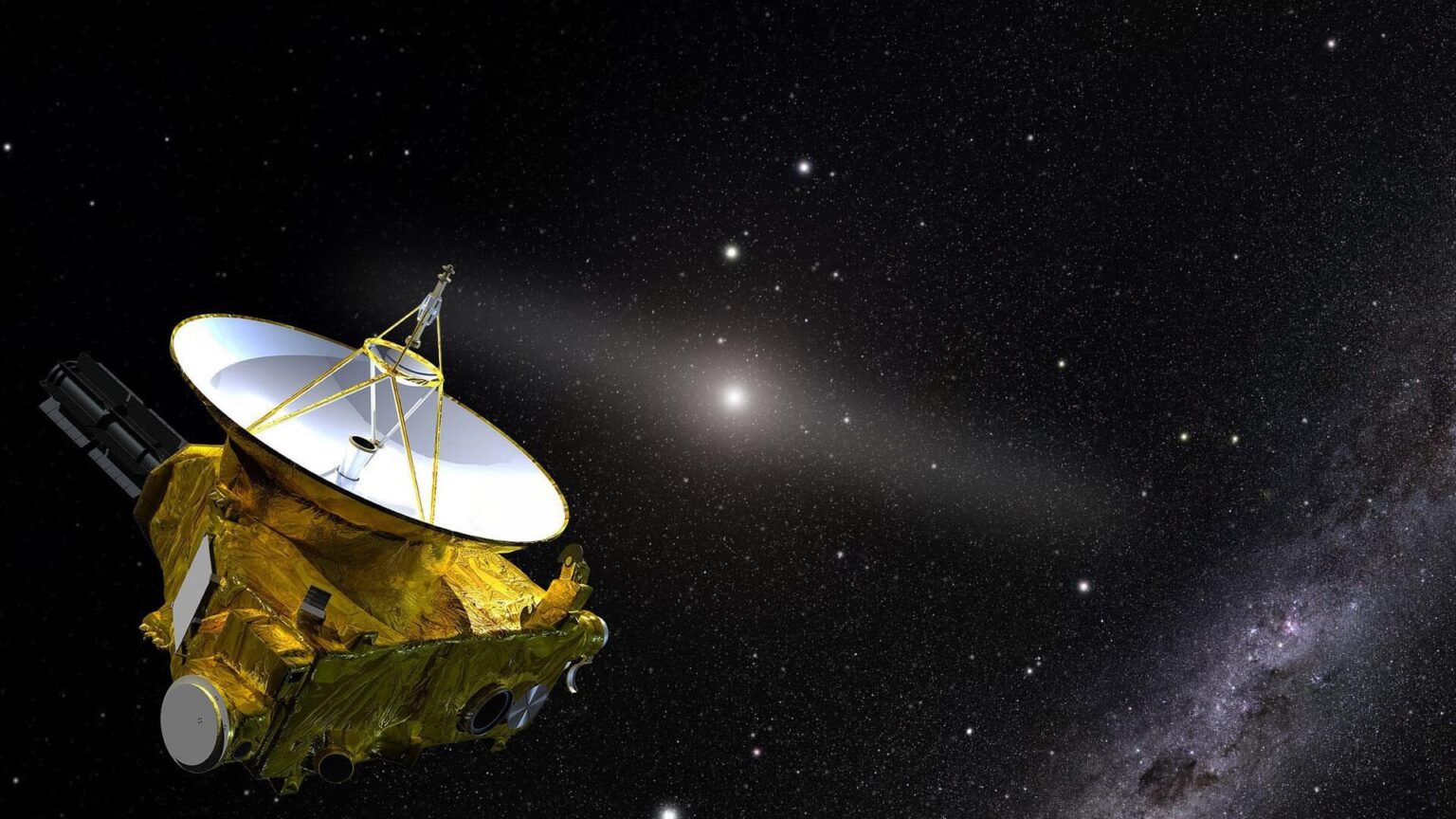
Unfortunately, modern technology does not allow such speeds to be achieved with conventional rocket engines. The fastest spacecraft to achieve maximum momentum thanks to its engines, the New Horizons probe, launched at a speed of only 16 km/s, which is only half of what is required.
Of course, there is the Parker Solar Probe, which reached a record speed of 192 km/s (692,000 km/h), but this was only achieved through gravitational maneuvers around the Sun over a period of years, during which the probe gradually picked up speed. Therefore, humanity needs a revolution in rocket science to create engines with double the power.
However, gravity can also be used for solar stratification. A series of maneuvers can be performed near giant planets. Each such flyby will act as a gravitational brake, slowing the spacecraft relative to the Sun and gradually bringing it closer to its inevitable fall. Such a journey will take many years, so the wait for “execution” will be agonizingly long.
So, sending a criminal to the Sun is an incredibly difficult task. Therefore, for now, it remains only a scientific theory, the implementation of which is a matter for future generations.
Earlier, we reported 12 interesting facts about the Sun.
According to theconversation.com

