

California startup Reflect Orbital has decided to overcome the main drawback of solar energy — the night. Instead of developing ultra-powerful batteries, the company offers an original solution: to launch a fleet of satellites equipped with giant mirrors into space. Their purpose is to reflect sunlight onto Earth after sunset, illuminating solar power stations or other objects that require nighttime lighting. This bold idea promises to revolutionize renewable energy. But there are a number of serious technical challenges that need to be overcome before it can be implemented.
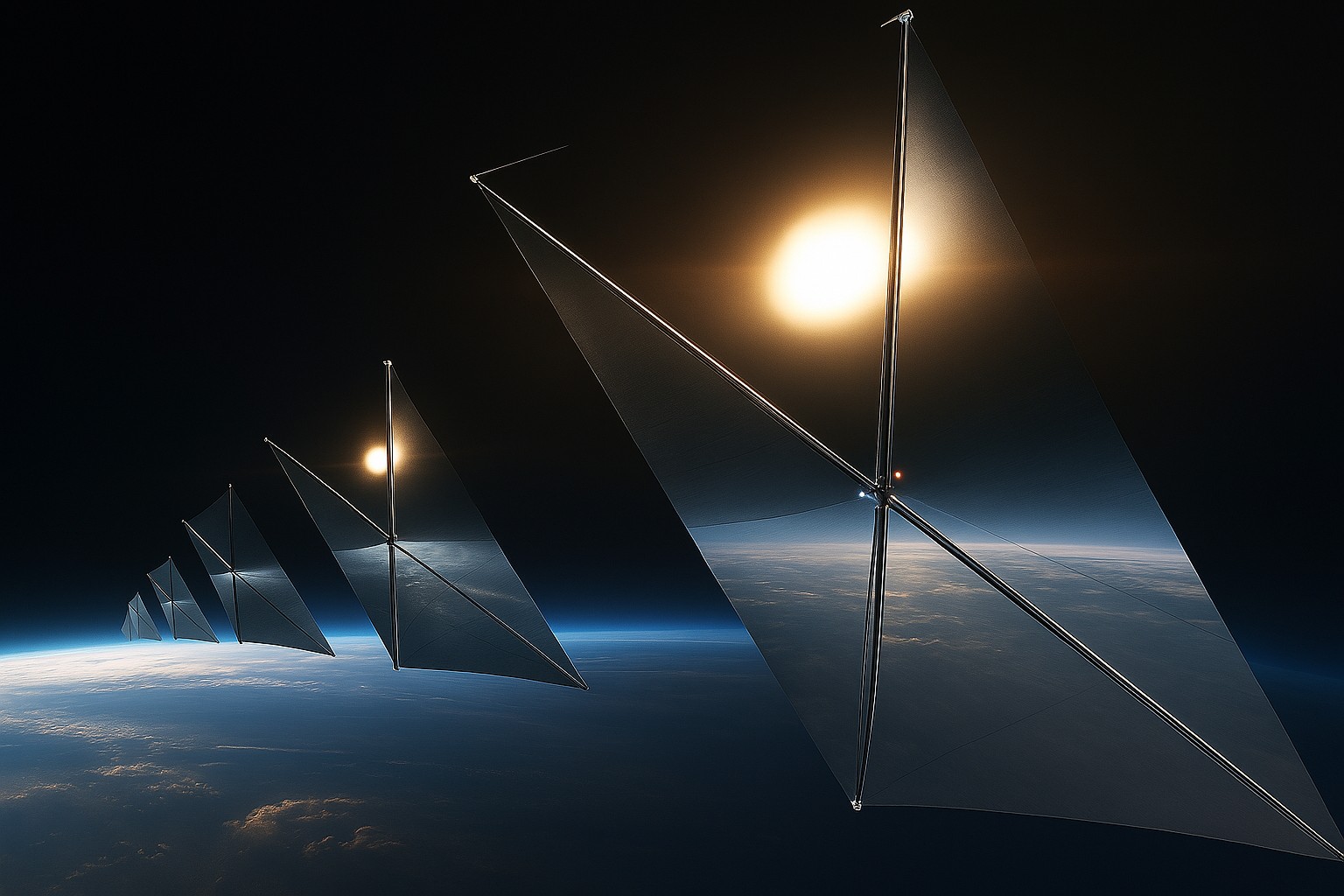
The system will be based on satellites, each of which will deploy a 10 x 10 m mirror made of ultra-lightweight and ultra-strong material (Mylar). Each device will weigh only 16 kg, which significantly reduces the cost of launching them into low Earth orbit at an altitude of 600 km. The main engineering challenge is extremely accurate guidance. Each mirror has to constantly adjust its position using reaction wheels, while keeping track of the Sun’s movement and the target on Earth. Customers will be able to specify the point to which the reflected light should be directed via the Internet.
Challenges on the path to the “Night Sun”
The scale of the project requires overcoming serious obstacles:
- Complexity of targeting. Keeping the sunspot on a small target while the sun is constantly moving and the Earth is rotating is an extremely difficult task that requires flawless control systems and their uninterrupted operation for decades.
- Atmospheric obstacles. Cloud cover and light scattering in the atmosphere can significantly weaken the energy flow reaching the surface, reducing the efficiency of the system.
- Space debris. The startup has committed to strictly following disposal rules, making sure every satellite is taken out of orbit within 25 years after its mission ends to avoid adding to the problem of orbital debris.
- Light pollution. The company claims that the mirrors are designed to ensure that only people in close proximity to the target area are affected by the additional lighting, minimizing the impact on the night environment and astronomical observations.
Next steps
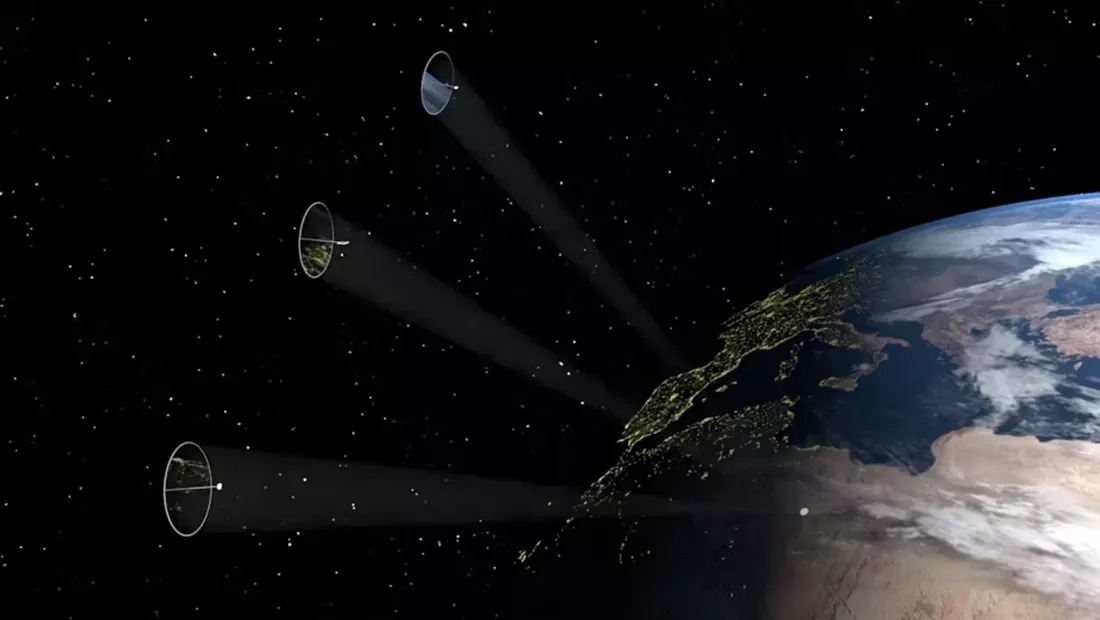
Reflect Orbital plans to create the first network of 57 satellites. Although the project is still in its early stages, and initial tests with balloons and small mirrors have shown promising results, scaling up to a full-fledged orbital system significantly raises the bar in terms of complexity.
The success of this bold approach could open a new chapter in the use of solar energy, providing virtually unlimited availability even after sunset, and become an important step toward a sustainable renewable energy future.
We previously reported on how a liquid mirror telescope helped discover a supernova.
According to techspot.com

