

The era of cramped metal capsules in space is coming to the end. Architects and engineers are now designing residential modules where the priorities are not only safety but also the psychological comfort of residents. The new generation of space dwellings promises to be spacious, inspiring, and comfortable, even in orbit or on the surface of distant planets.
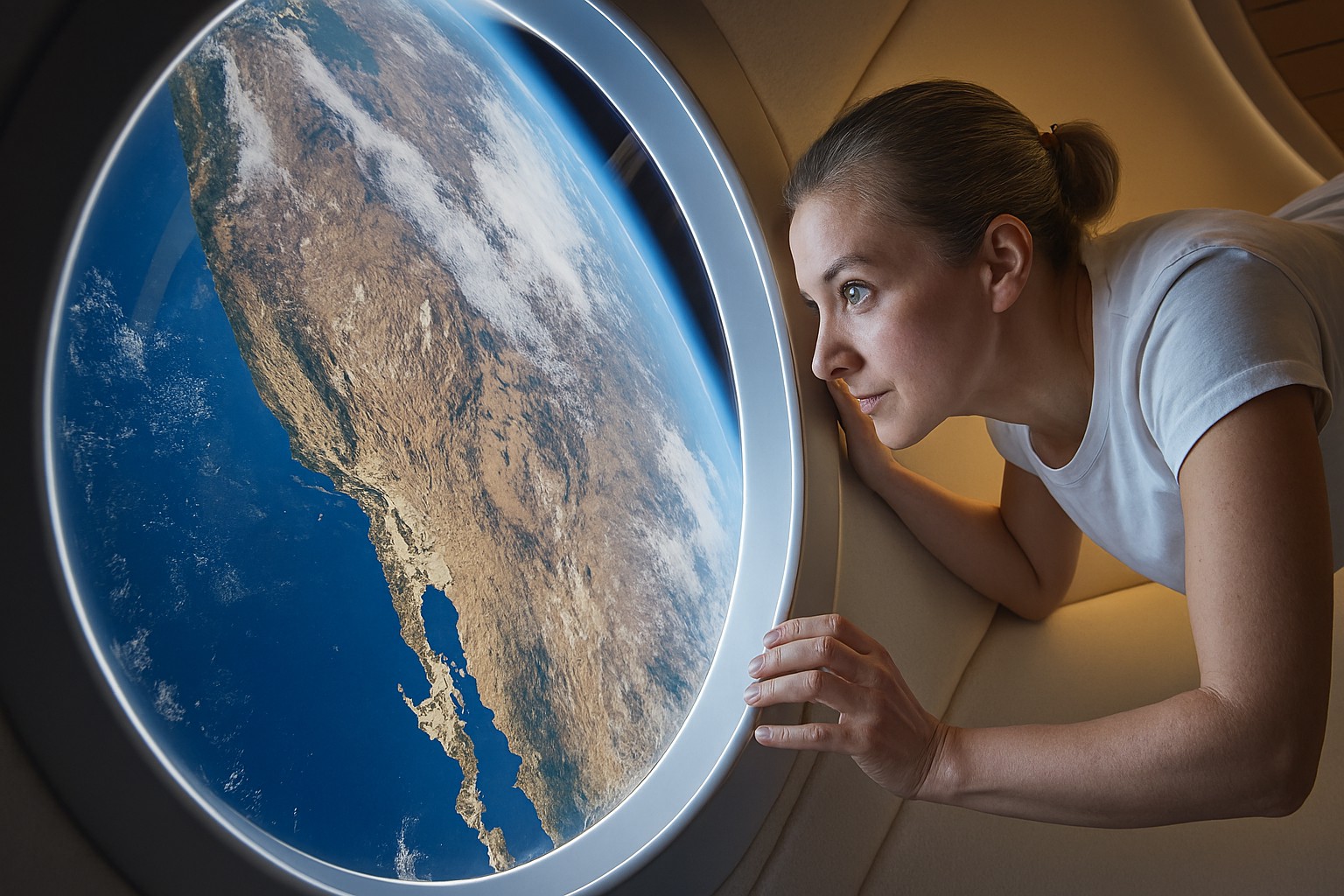
Instead of cramped sections, future space explorers will enjoy spacious accommodations with panoramic windows, high-quality lighting, and soundproof rooms. Protection from radiation and debris remains a key objective, but now it is combined with the use of lightweight and durable materials. This transformation is happening at the right time, as the International Space Station, which has been in service for decades, is scheduled to be decommissioned in 2030.
Future of space construction
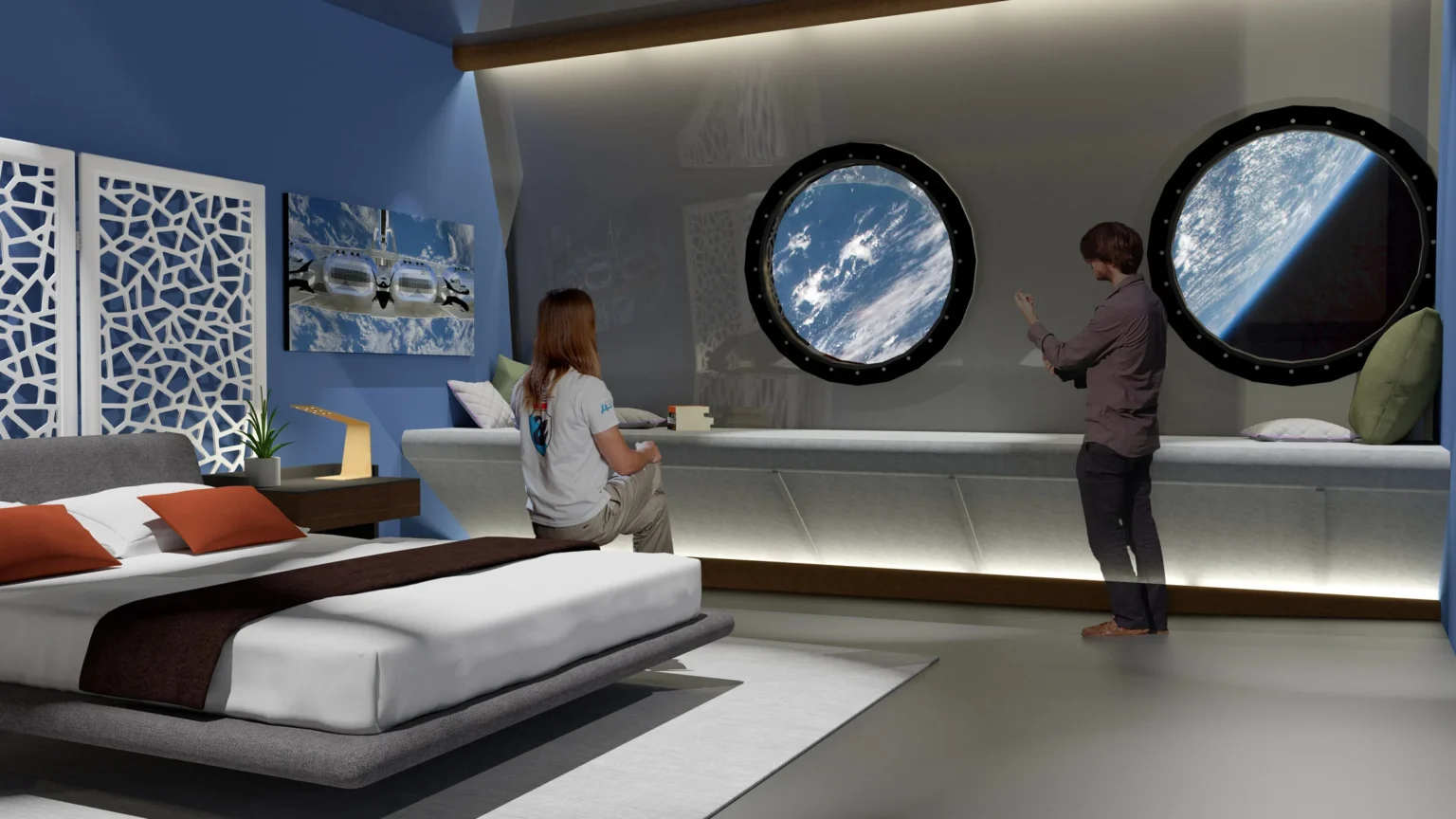
Modern designs resemble prefabricated modular houses rather than metal containers. Max Space, working at the Kennedy Space Center, uses composite fabrics to create inflatable housing. When folded, their Alpha module takes up as much space as two suitcases, and when unfolded, it offers 203 m of space for three people. The first launch of inflatable space housing is scheduled for October 2026.
The non-profit organization Aurelia Institute is developing modular housing made of self-assembling hexagonal tiles that form a geodesic dome. In 2026, they plan to send a microwave-sized test version to the ISS to test autonomous assembly in zero gravity. Engineers at the European Space Agency are also getting involved: their FlexHAB prototype, designed for the Moon or Mars, is already undergoing testing in Germany.
Psychology of space

Architects realize that large windows are not a luxury, but a necessary psychological lifeline. For example, Aurelia plans to install a window painted with algae in the dome, which will resemble a stained-glass window and potentially produce oxygen. The California-based company Vast is already designing homes with dome-shaped viewing windows over a meter in diameter.
As former NASA astronaut Garrett Reisman notes, observing Earth from space has an incredible effect — it is a combination of green, blue, and white colors, reminiscent of a projection of fairy-tale figures. It is precisely these experiences that are key to feeling good during long missions away from home.
Earlier, we reported on how colonists would build housing on Mars.
According to wsj.com

