

Doctors conducted tomographic studies of the brains of astronauts who had been in space. It turns out that microgravity, or weightlessness, causes parts of the brain to shift, compress, and stretch.
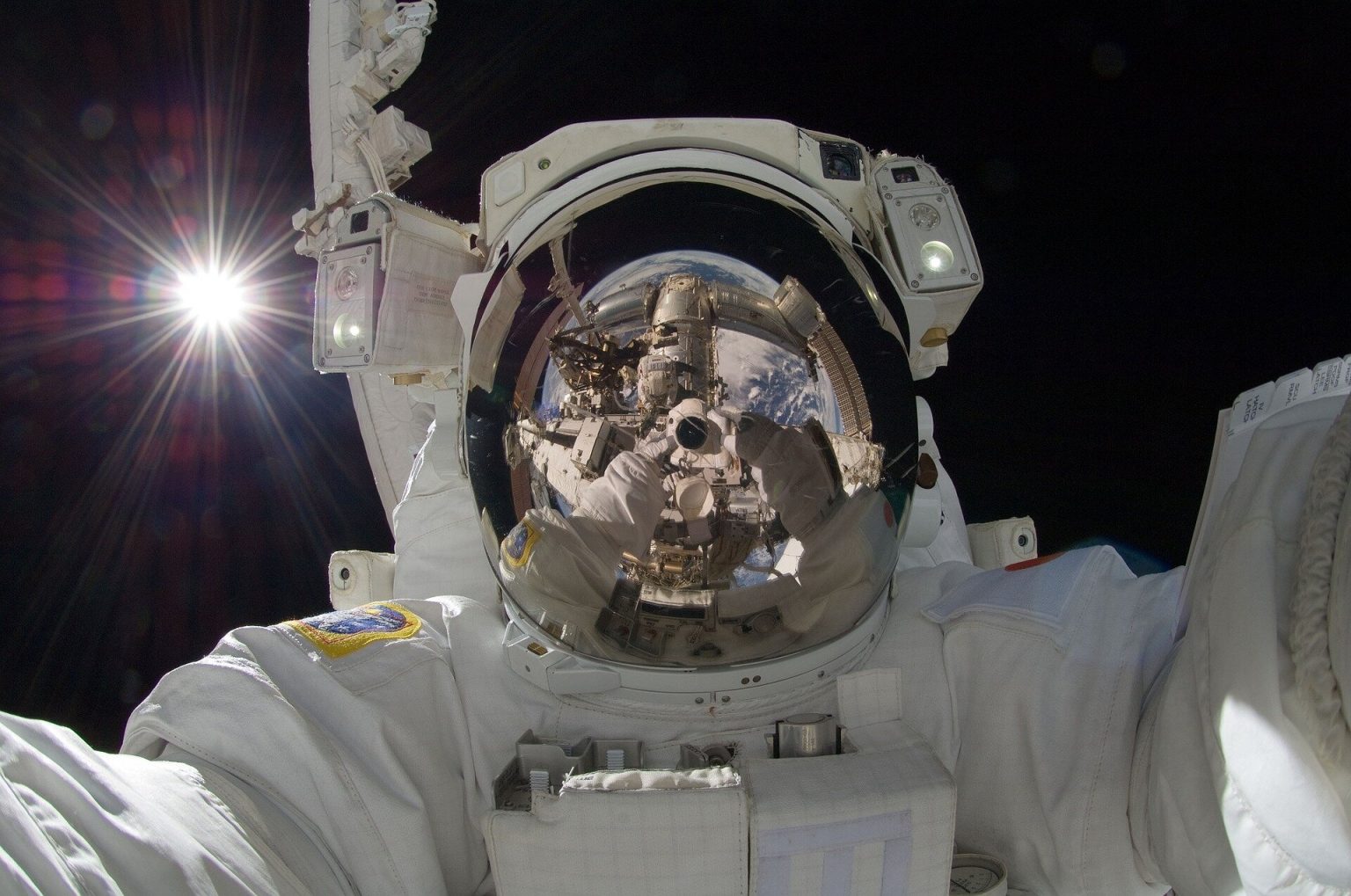
Effect of weightlessness on the human body
Spaceflight physically affects astronauts, causing muscle atrophy, bone thinning, and fluid shifts. According to a new study published in the journal PNAS, we can add another important change to this list. Staying in microgravity causes the brain to change shape.
Here on Earth, gravity helps keep the brain in place, while the cerebrospinal fluid surrounding it acts as a cushion. Scientists already knew that without constant gravity, the brain rises upward, but new research has shown that it stretches and compresses in several areas.
Experiment
Researchers led by Rachel Seidler of the University of Florida came to this conclusion after studying MRI scans of 26 astronauts taken before and after their missions to the International Space Station. They were compared with scans of 24 volunteers who participated in an experiment involving resting in a head-down position. They spent 60 days lying at a 6-degree angle to simulate how weightlessness causes body fluids and organs to move toward the head.
The authors of the study found significant differences between the brains of astronauts and volunteers. Although both groups experienced displacement, the astronauts’ brains shifted upward more significantly. The longer they stayed in space, the more noticeable these changes became. The supplementary motor cortex (which helps control movement) in astronauts who participated in year-long missions rose by approximately 2.5 millimeters.
Brain movement is not uniform. Researchers have found that when the brain moves, it compresses at the top and back, while other areas stretch. This has a noticeable effect on balance and coordination. According to test results, astronauts who experienced the greatest brain displacement had the most difficulty maintaining their balance after returning to Earth.
Need for further research
It is important for future space missions to understand these changes, according to the researchers. We demonstrate complex changes in the position of the brain within the skull after spaceflight and the effects of an analog environment. These findings are crucial for understanding the effects of spaceflight on the human brain and behavior.
Although the brain mostly returns to its normal state a few months after returning to Earth, scientists still need to learn more to ensure safer conditions for longer missions, such as flights to Mars.
The impact of these shifts and deformations of the brain associated with space flight on human health and physical capabilities requires further study to ensure safer human space exploration.
According to phys.org

