

The US Air Force has approved plans to convert the SLC-37 launch complex at Cape Canaveral for Starship. In total, SpaceX plans to build two launch pads and supporting infrastructure.
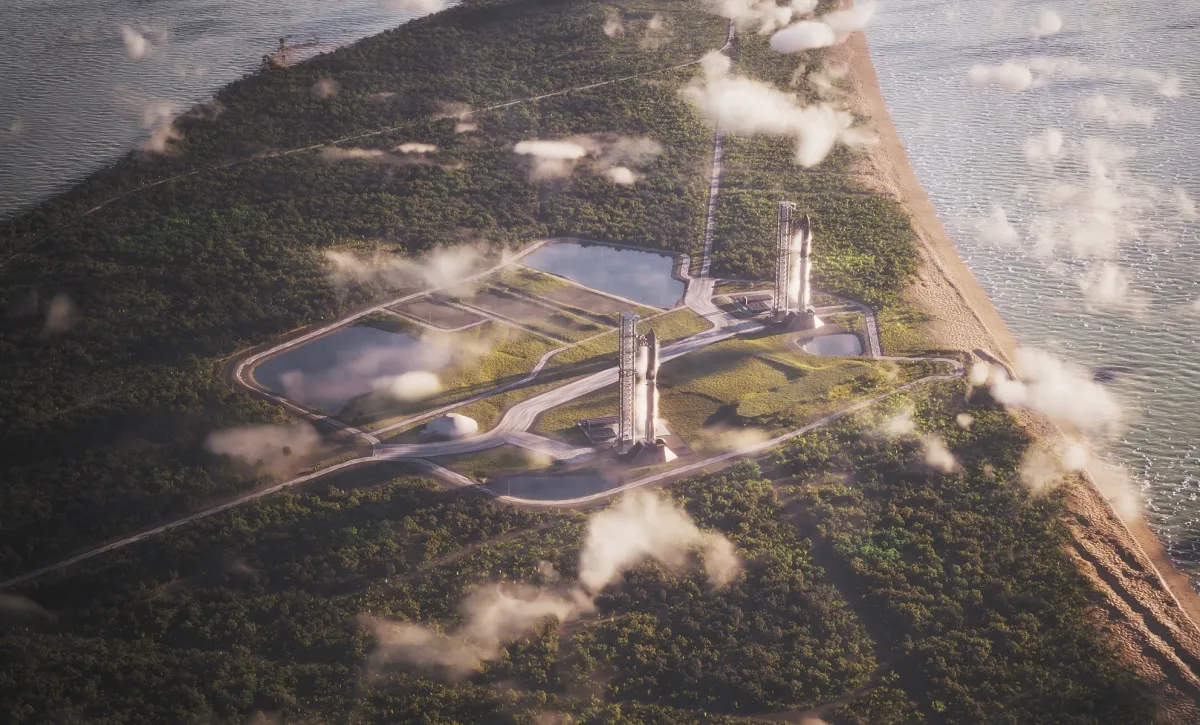
Launch Complex SLC-37 was built in the 1960s. Between 1964 and 1968, it was used to launch Saturn 1 rockets, after which it was decommissioned. In the 21st century, the complex was refurbished for launches of United Launch Alliance’s Delta IV launch vehicle. The last Delta IV Heavy was launched from this site in April 2024.
SpaceX announced its plans to build launch pads for Starship at Cape Canaveral several years ago. One of them is already under construction at launch complex LC-39A. However, the company needs more infrastructure to implement its ambitious plans.
Initial plans included studying the possibility of converting the existing SLC-37 site for Starship needs, as well as building a completely new launch complex at a site designated SLC-50. In the end, the first option was chosen. SLC-50 had to be ruled out due to its high potential for archaeological sites and endangered species.
Final approval was granted after the publication of an environmental impact report on Starship’s environmental impact. Studies have shown that the construction and operation of the Starship launch site at SLC-37 — including up to 76 Starship/Super Heavy launches per year and 152 landings of the Super Heavy booster and Starship upper stage — will not have a significant overall impact on the environment.
One key exception was noise from launches and landings. “Local communities may be exposed to relatively high noise levels and excessive pressure from the launches and landings of Starship and Super Heavy launch vehicles,” the report said. “These operations will have a significant impact on the comfort of the local population.”
The study concluded that areas of “significant structural damage” from noise and excessive pressure would be limited to the territory of the Cape Canaveral space base and the neighboring Kennedy Space Center. However, unfortified buildings in these areas may be vulnerable.
“With three launch pads in Florida, Starship will be ready to support U.S. national security and Artemis goals as the world’s leading spaceport continues to evolve to provide airport-like operations,” SpaceX said in a statement after the approval.
According to Spacenews

