

NASA’s independent safety commission has released a scathing report condemning the agency’s leadership during the troubled manned flight of the Boeing Starliner spacecraft. Instead of officially recognizing the incident as an accident, officials created dangerous confusion by trying to present the case in a better light.
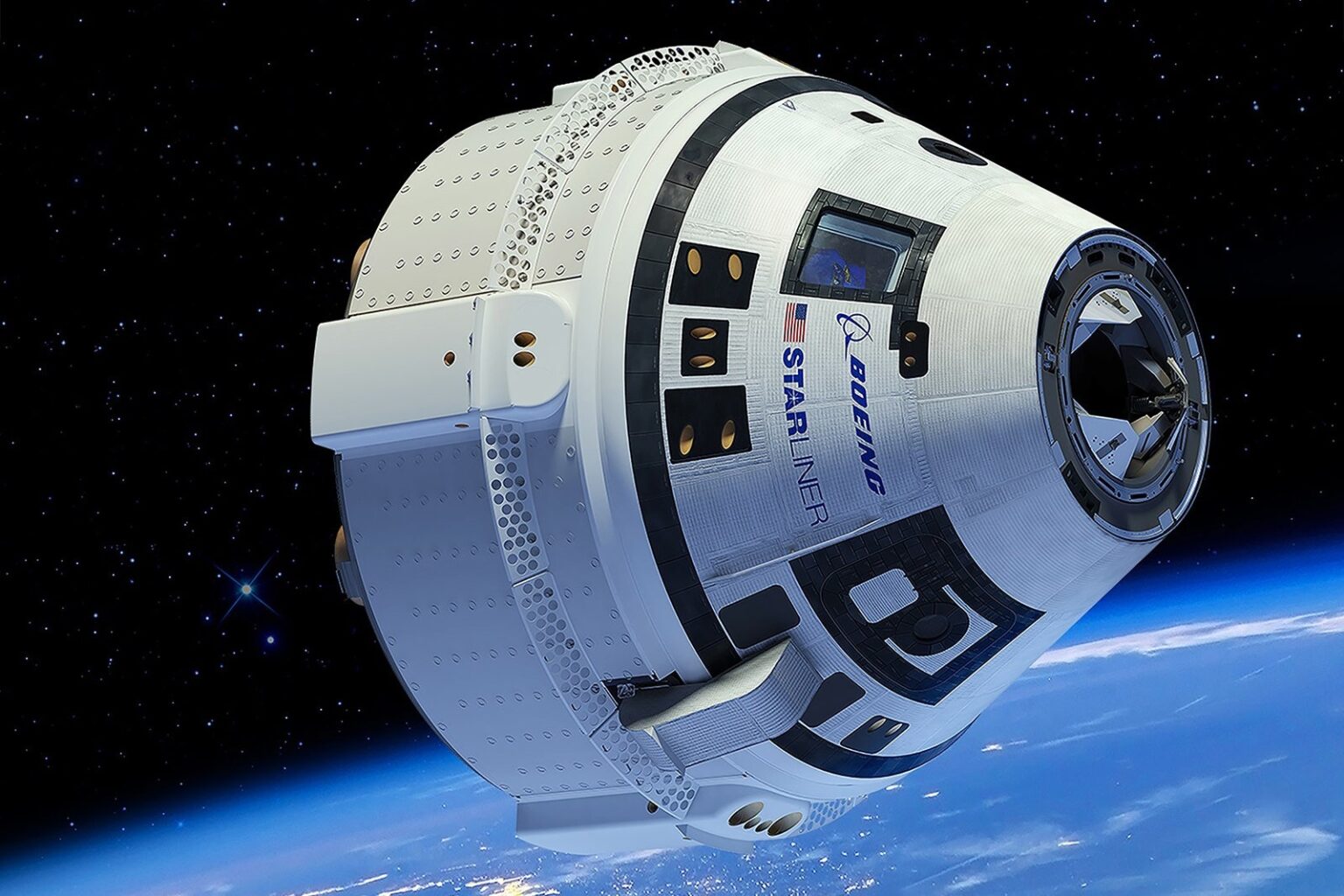
What happened to the Starliner?
In June 2024, Starliner successfully launched to the ISS with astronauts Butch Wilmore and Sunni Williams on board. However, serious malfunctions occurred during the flight: several maneuvering engines failed, and helium leaks occurred in the system. Although the docking was successful, the safe return of this spacecraft was in question. The 8-day mission turned into an almost 9-month rescue operation.
Wrong decision and criticism
According to procedures, NASA should have classified such an incident as an accident or near-miss, triggering a formal investigation. But the agency did not do so.
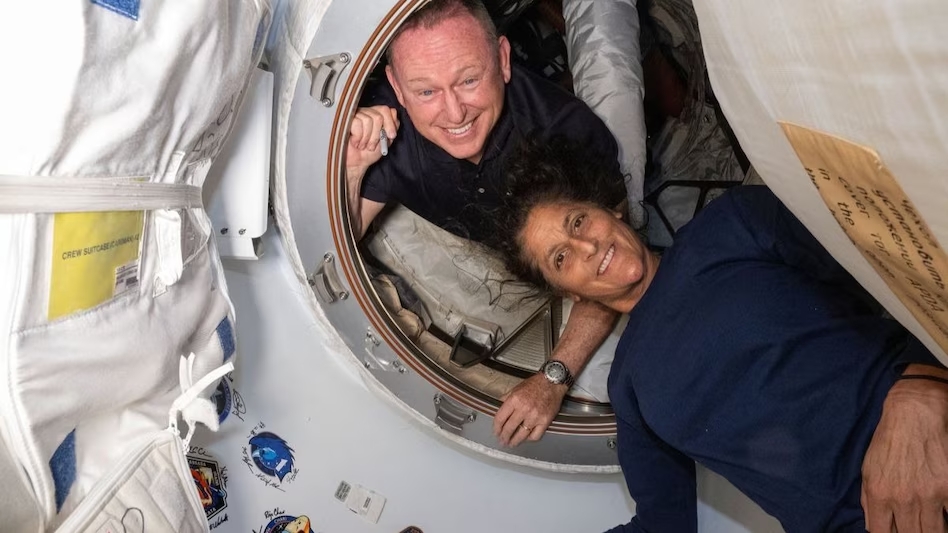
As expert Charles Precourt noted, this led to “a prolonged period during which responsibility for risk was unclear.” Instead of acknowledging that Starliner needed to be thoroughly investigated before returning, NASA spent months trying to prove its safety to the media, effectively leaving the astronauts stranded at the station.
Consequences and conclusions
In September 2024, the empty Starliner returned to Earth, and the astronauts returned on another SpaceX Dragon spacecraft. The safety commission called on NASA to eliminate such ambiguities in the future so that crew safety would always be a priority. This resulted in a change to the contract with Boeing: the number of planned Starliner flights was reduced, and the next unmanned launch was postponed until 2026. This incident served as an important lesson for future ambitious missions, particularly the Artemis program.
Earlier, we reported on how the pilot of the infamous Boeing Starliner resigned.
Provided by arstechnica.com

