
This year’s test launch of the world’s most powerful rocket, SpaceX’s Starship, which took place in January, did not go according to plan. During the flight, an engine malfunctioned, causing the rocket to crash and debris to fall into the Caribbean Sea. As it turned out, this event had serious consequences for air traffic in the region.
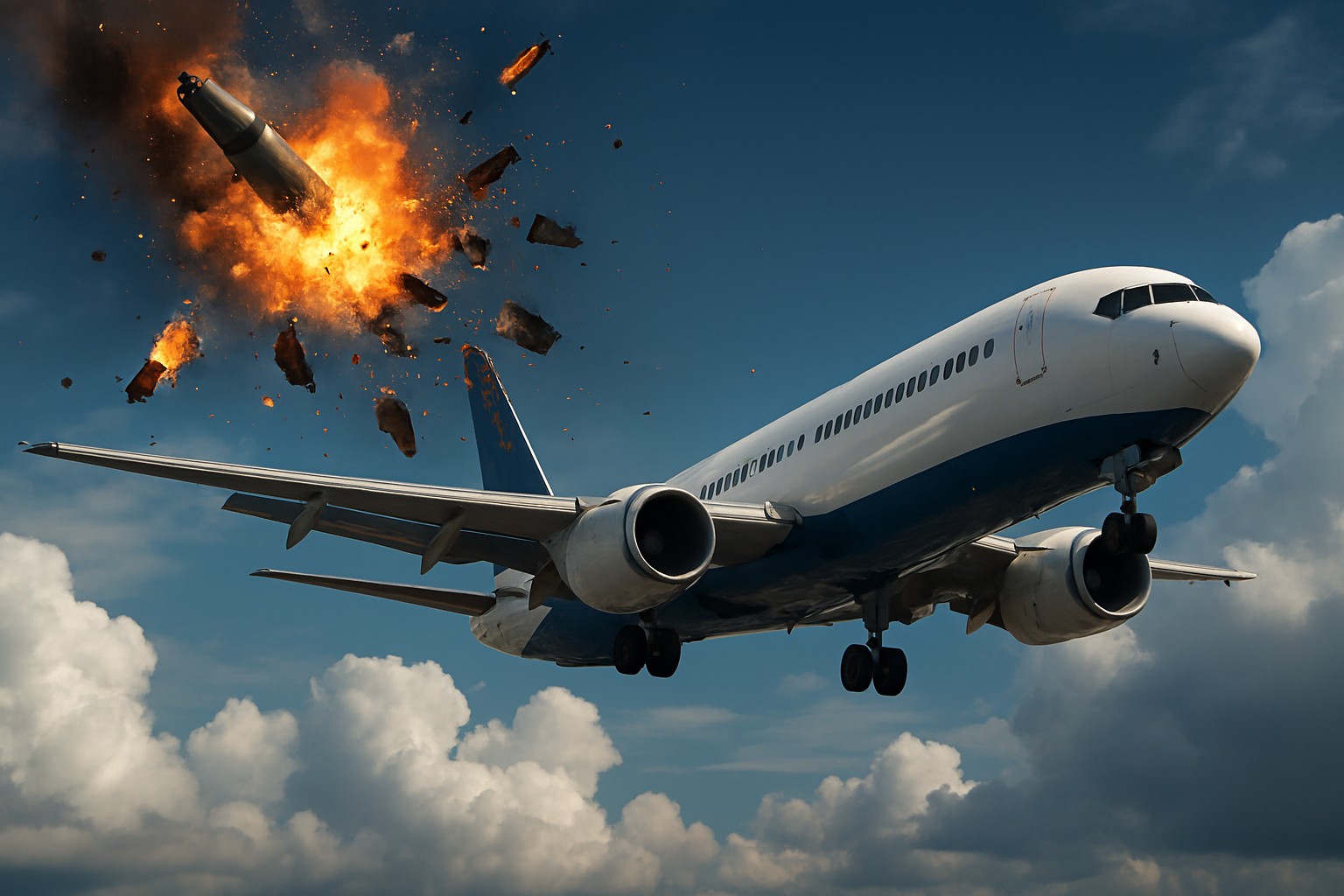
On January 16, Starship launched from Starbase in Texas. However, a malfunction occurred during the upper stage operation, causing its destruction. Debris from the rocket fell into the waters near the Turks and Caicos Islands. According to documents from the Federal Aviation Administration (FAA), this event posed an “extraordinary threat” to the safety of three passenger planes with 450 people on board.
SpaceX’s objection
To avoid collision with debris, air traffic controllers were forced to urgently change the courses of several airliners. One of the planes, bound for Puerto Rico, even flew through an area temporarily closed due to debris because of the risk of running out of fuel. Other planes had to fly along altered routes, which created additional risks of close encounters in the air.
According to the investigation presented in FAA documents, Elon Musk’s company did not report the accident to air traffic controllers via the official hotline. The warning came from pilots who saw the debris falling. In response, SpaceX called this information “incomplete and misleading.” The company insists that all debris fell within a safe zone pre-agreed with the USSF and FAA, and that no aircraft were endangered.
Plans
This is not the first time that Starship tests have disrupted air traffic. Similar incidents, forcing flights to be changed or delayed, have occurred before, particularly near Florida and in the Indian Ocean region.

Despite this, SpaceX plans to significantly increase the frequency of Starship flights while continuing to develop the rocket for future missions to the Moon and Mars. The issue of coordinating such ambitious tests with global aviation safety remains open.
We previously reported on how cosmic rays disabled an A320 aircraft during flight.
Provided by Wall Street Journal

