

Florida startup Max Space is preparing a revolution in space construction. Their development, the Thunderbird space station, is a unique expandable module that can be delivered into orbit by a single Falcon 9 rocket.
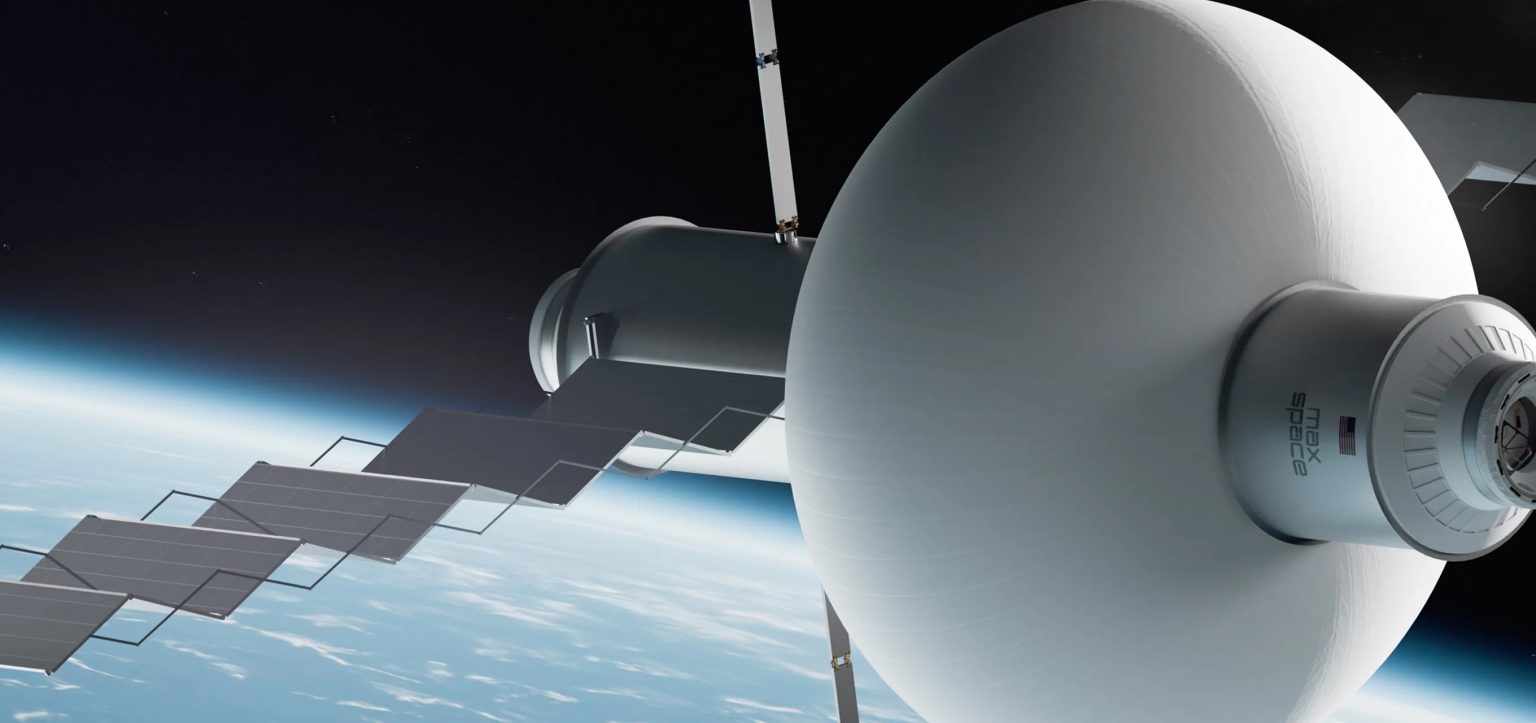
Unlike classic inflatable concepts, the design uses a special complex structure that unfolds in orbit to a volume of 350 m3. This drastically reduces the number of launches required to create an orbital laboratory.
From idea to prototype
The idea gained momentum after changes to NASA’s Commercial LEO Destinations program, which is looking for private replacements for the ISS. The agency is now funding prototypes. In response, Max Space plans to launch a prototype called Mission Evolution on a SpaceX rocket in early 2027. It will test protection against space debris, life support systems, and the readiness of the technology for operation.
The station of the future
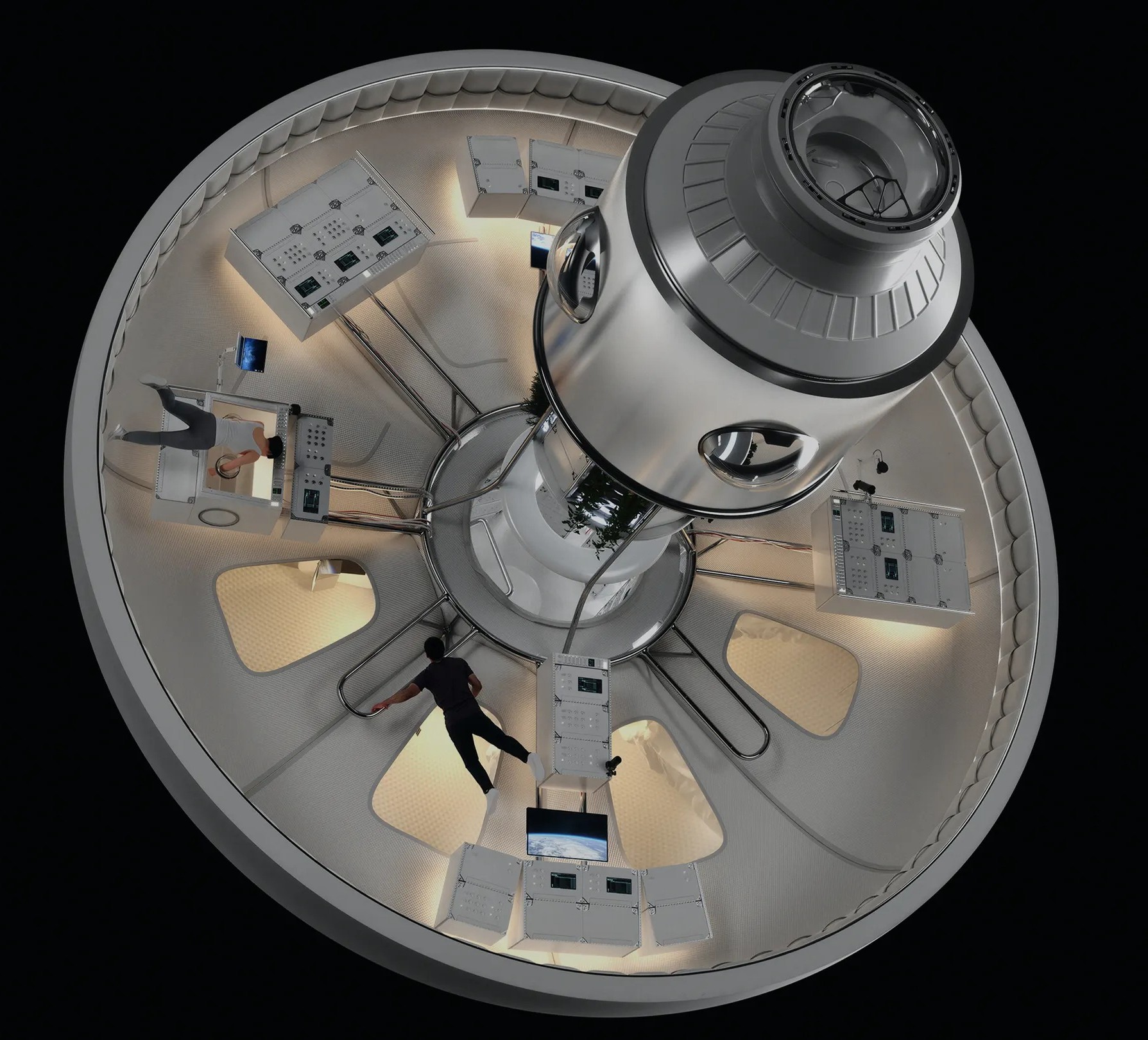
Thunderbird is designed to accommodate four people permanently. Its key advantage is its adaptable interior: the crew will be able to reconfigure the space for various tasks, from scientific experiments to orbital manufacturing.
The piloted launch of a full-fledged space station is scheduled for 2029. In addition to its role as a laboratory orbiting Earth, developers envision Thunderbird as a living module for future missions to the Moon and Mars, opening a new chapter in space exploration.
We previously reported on how inflatable space houses could be key to solar system exploration.
Provided by getmaxspace.com

