

Cameras on the International Space Station (ISS) captured horrific footage of Russia’s nighttime missile attack on Kyiv, which took place on the night of December 27, 2025. A video posted on the AstronautiCAST YouTube channel shows the trajectory of Russian missiles and the active work of Ukrainian air defense systems from an altitude of 400 km above the surface. This unique recording allows us to see the war from a completely new perspective.
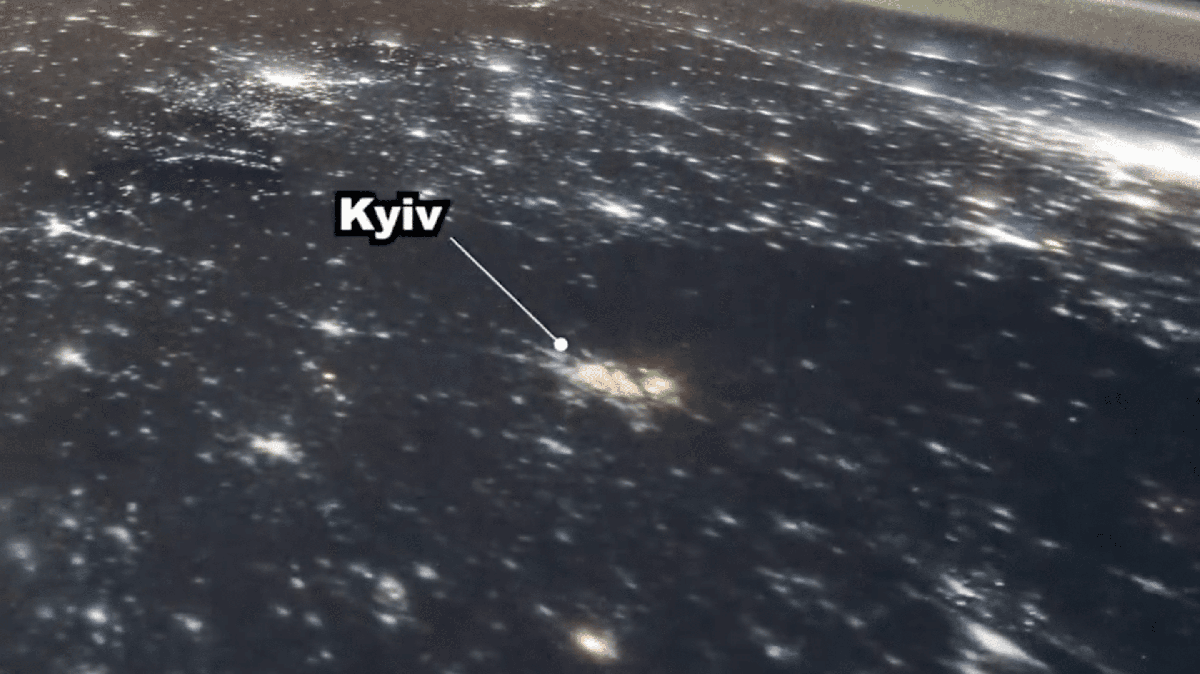
The accelerated video clearly shows bright flashes — these are explosions of ground-to-air missiles, which Ukraine is using to try to shoot down enemy targets. Individual lights indicate ballistic missile strikes, particularly in the Kyiv and Trypilska Thermal Power Plant areas. At the end of the video, you can see how two ballistic missiles were successfully intercepted by air defense forces.
The very possibility of capturing such events from orbit is explained by the fact that the ISS flies over Ukraine several times a day. High-resolution onboard cameras capture the city at night and any bright flashes against the dark background, making the station an ideal observation point for massive shelling.
What exactly targeted Kyiv
On that terrible night, Russia launched 10 ballistic missiles (Iskander-M, Kinzhal) and 30 cruise missiles (Kh-101, Iskander-K, Kh-22) at Ukraine. Ballistic missiles are one of the most dangerous types of weapons. They fly along a high trajectory and reach hypersonic speeds in the final stage, which makes them extremely difficult to intercept even with modern air defense systems. Cruise missiles, on the other hand, fly in the dense layers of the atmosphere, skirting the terrain, which makes them a difficult target for radar.
How Ukraine’s air defense works
The combination of different types of missiles is a key element of Russian tactics. Ballistic missiles, which are difficult to shoot down, are often used to strike key targets, while cruise missiles and drones are designed to deplete air defense ammunition. The video from the ISS shows Ukrainian anti-aircraft missiles attempting to create a kind of “shield” on the approaches to the capital. Each flash is an attempt to shoot down an enemy target. Sometimes, two or three anti-aircraft missiles have to be fired to destroy a single cruise missile.
Energy terrorism strategy
The attack on December 27 was one of the most massive on Kyiv since the start of the full-scale invasion. It had a clear purpose: to paralyze Ukraine’s power grid in winter. Since late autumn 2025, Russian occupation forces have been employing a strategy of combined wave attacks: first kamikaze drones, then cruise missiles, and finally ballistic missiles. This is done in order to overload the air defense system, deplete its resources, and open the way for striking thermal power plants and substations.
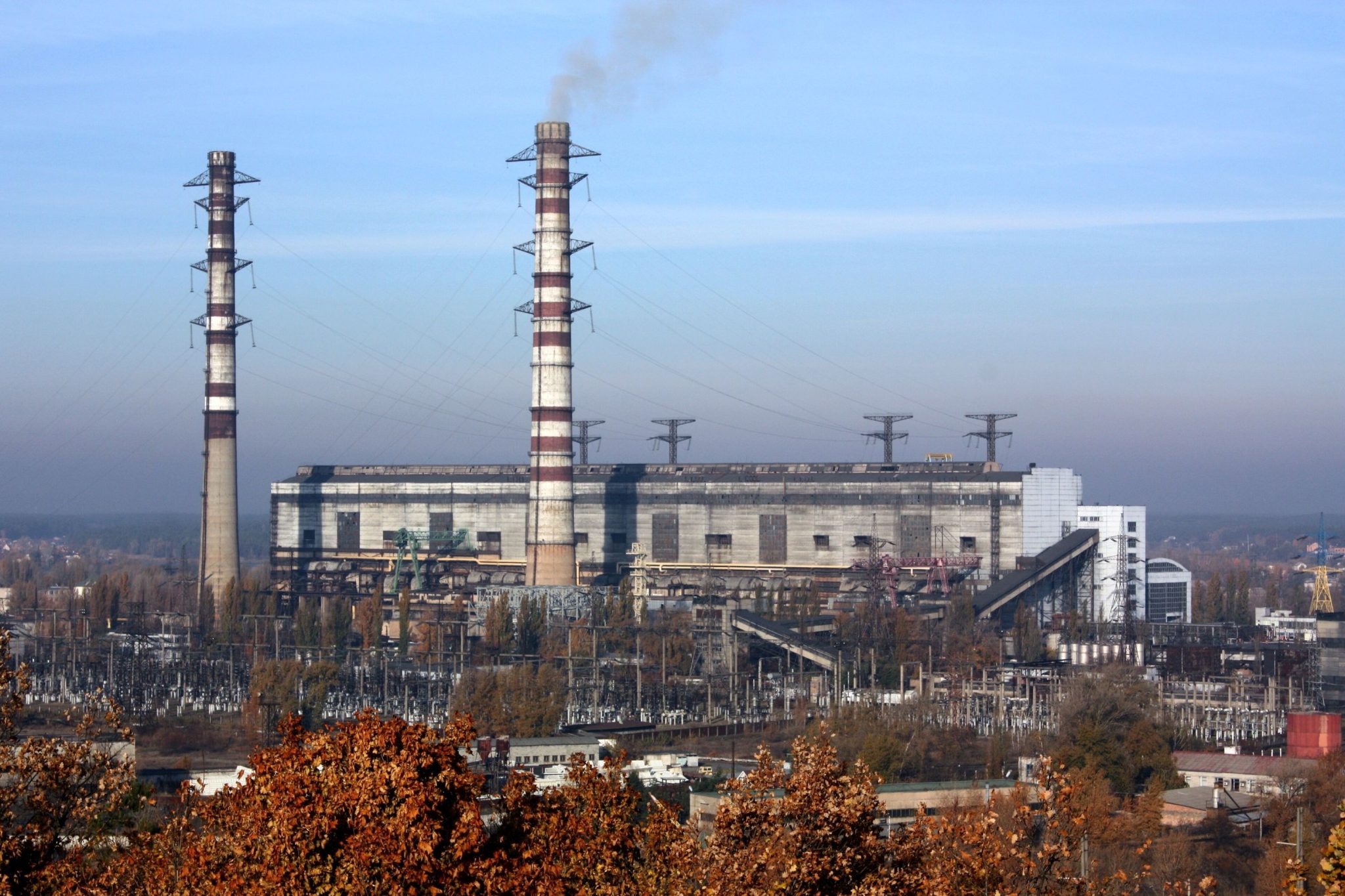
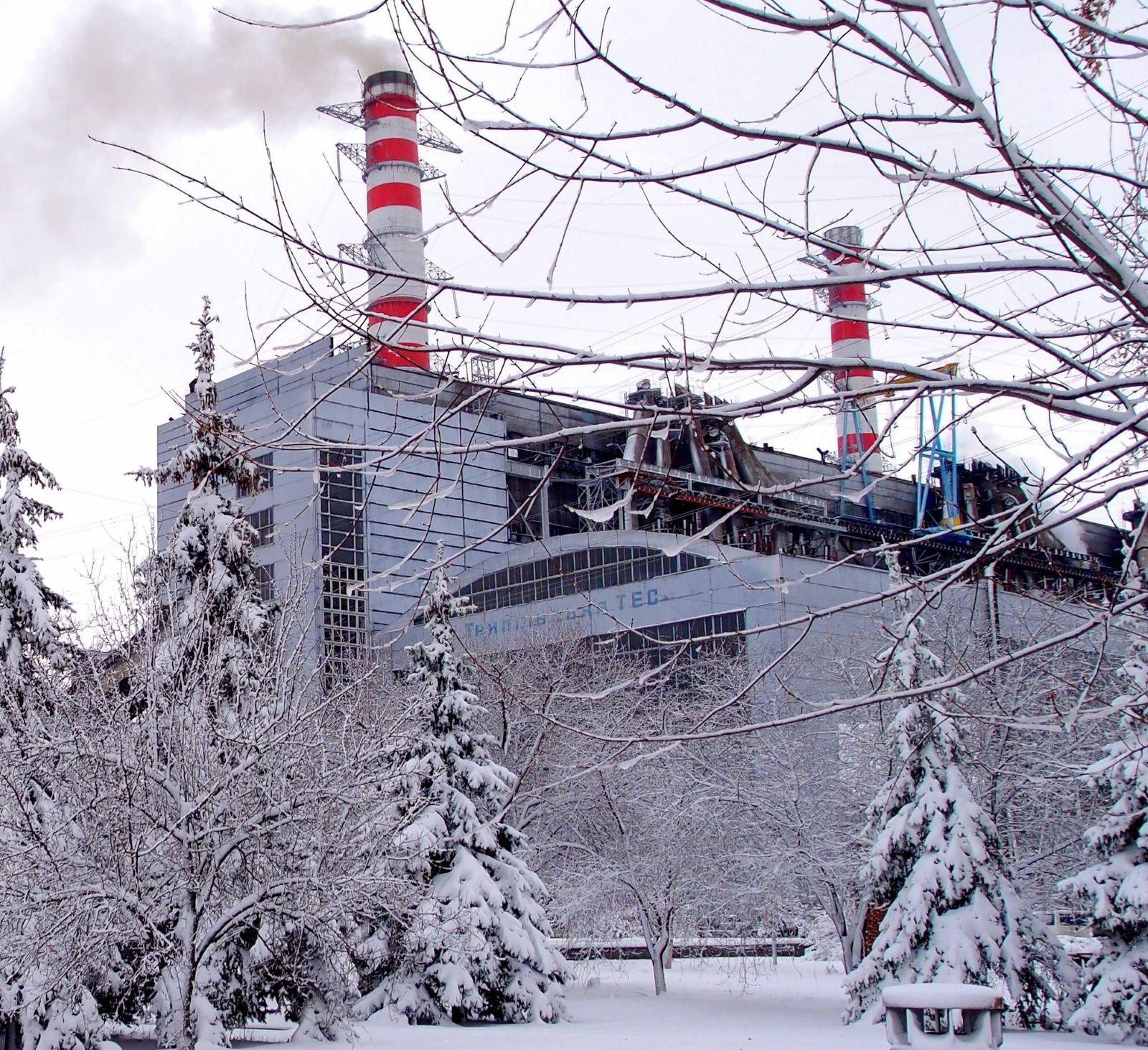
The Trypilska Thermal Power Plant, which provides heat to more than 500,000 residents of the region, was particularly affected. According to Ukrainian Energy Minister Denys Shmyhal, this facility has been hit by 13 missile strikes since 2022. The latest shelling damaged the heating systems of hundreds of buildings, leaving people without heat in freezing temperatures.
Consequences and international reaction
European leaders, led by European Commission President Ursula von der Leyen, visited the damaged power plant on February 24. The visit was organized to show solidarity with Ukraine and assess the extent of damage to energy infrastructure, which is regularly targeted by Russian attacks.
The footage from the ISS not only served as evidence of war crimes, but also as a reminder that modern warfare is waged not only on the ground, but also in the air, and is even visible from space. They demonstrate how technologies created for peaceful exploration of the Universe inadvertently capture the horrors of the war that continues on the planet.
Earlier, we reported on the Zircon hypersonic missile.
According to United24

