

The Moon has long attracted human attention. Therefore, it is not surprising that it was the Moon that gave rise to astrophotography. The first attempts to capture the Moon on photographic plates took place almost 200 years ago! Since then, countless people have photographed our planet’s satellite, from ordinary amateurs to professional astronomers. And, of course, it has been photographed many times by numerous spacecraft, as well as by participants in the Apollo expeditions, who took unique photos of the lunar surface.
In this article, we have compiled the most significant photographs of the Moon. They demonstrate how humanity gradually conquered our planet’s satellite and uncovered its secrets.
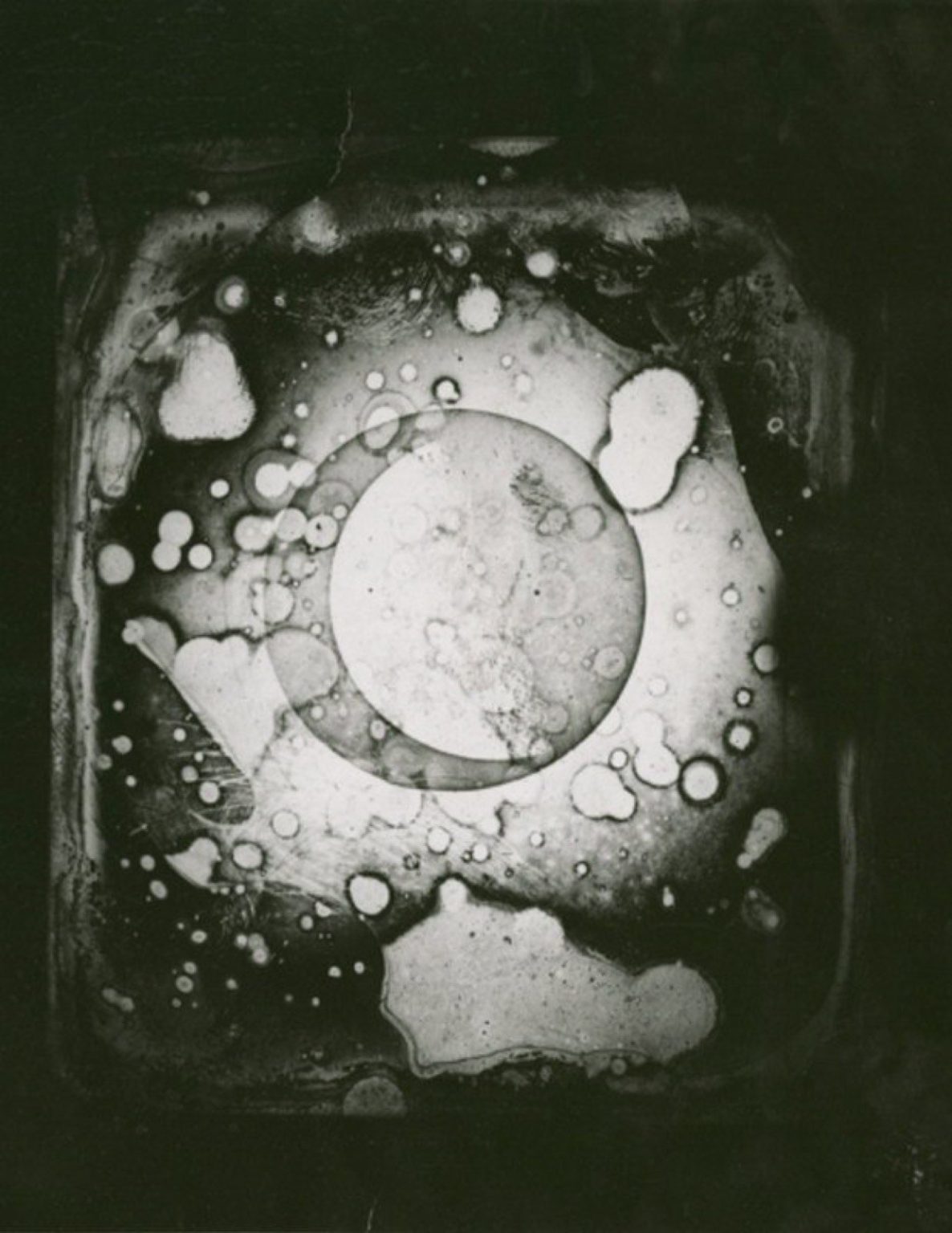
The first photo of the Moon
The first photograph of the Moon dates back to March 23, 1840. English scientist John Draper took the picture with a 13-centimeter reflecting telescope over 20 minutes. So, what you see here is not only the oldest surviving photograph of the Moon, but also the first astrophotograph in history.
The dark side of the Moon
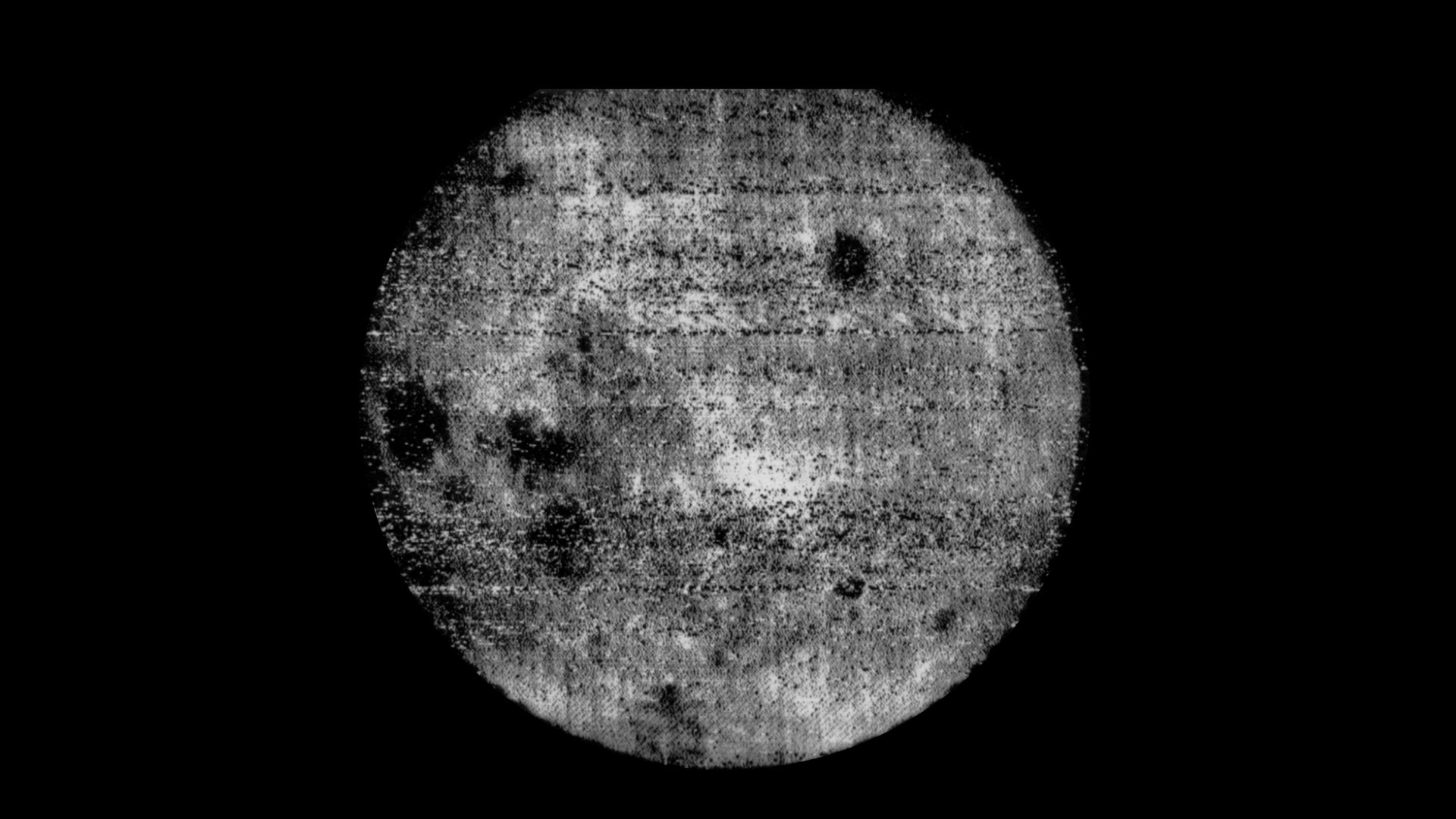
For many centuries, people have been fascinated by what the far side of the Moon looks like. This mystery was first revealed in October 1959, when the Soviet station Luna 3 photographed it. Of course, by today’s standards, the quality of the photograph leaves much to be desired. But, as in the case of Draper’s photograph, this was only the beginning of something much bigger.
Earthrise over the Moon
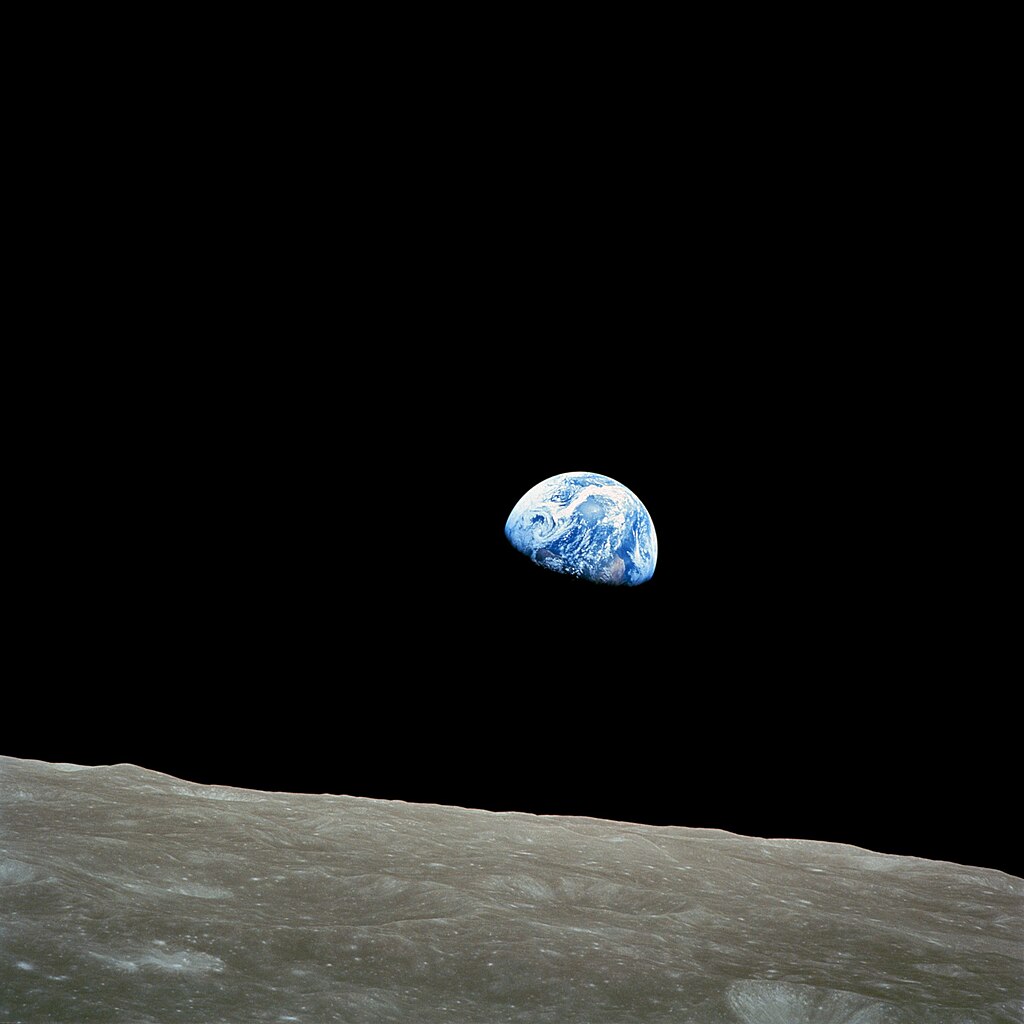
On December 24, 1968, the Apollo 8 spacecraft entered orbit around the Moon. Its crew was the first to see something that no other human had ever seen before: the sunrise over the lunar surface. The photograph taken that day by astronaut William Anders was named “Earthrise” and instantly became iconic. It is now considered one of the most significant photographs in history.
Man on the Moon
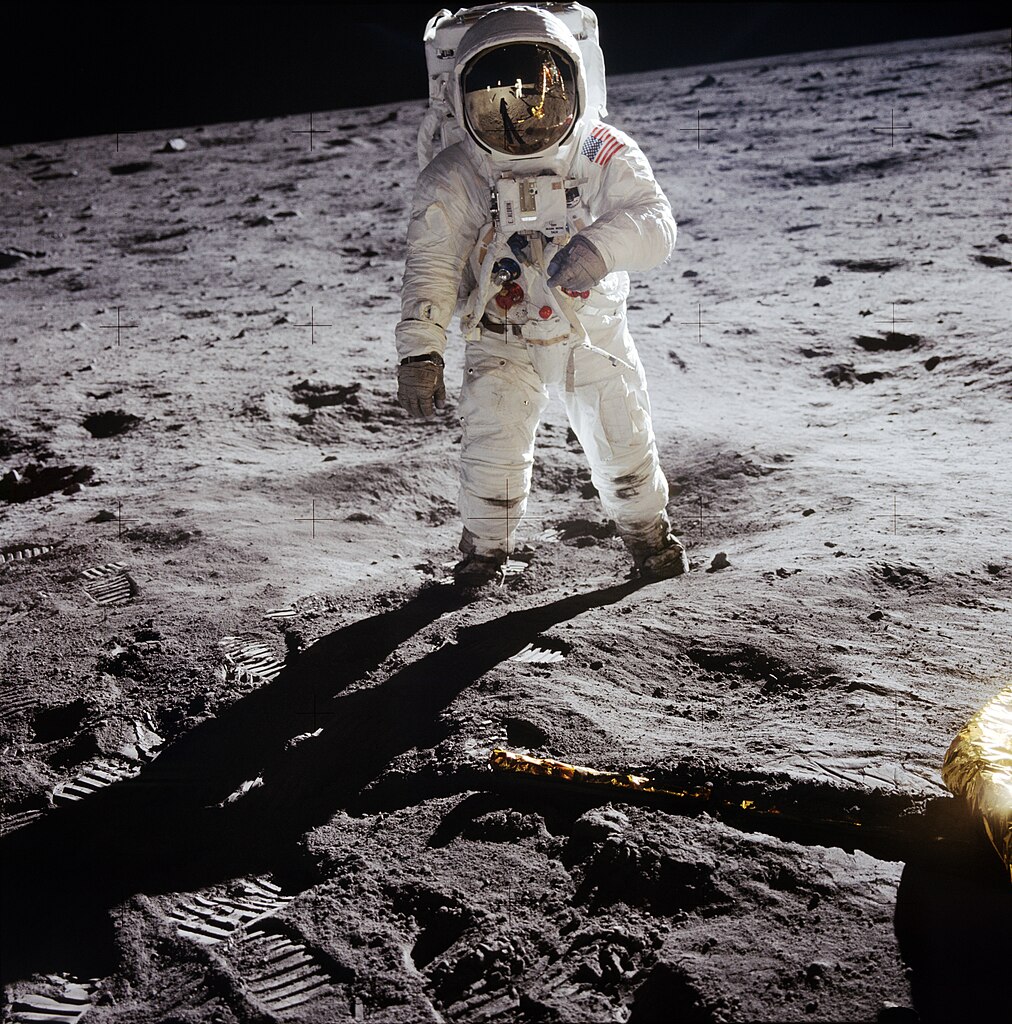
If any photo of the Moon can compete with “Earthrise” in terms of fame, it is “Man on the Moon”. Astronaut Neil Armstrong took it during his historic moonwalk on July 21, 1969. The photo shows his colleague Edwin Aldrin, and Armstrong himself can be seen reflected in Aldrin’s helmet.
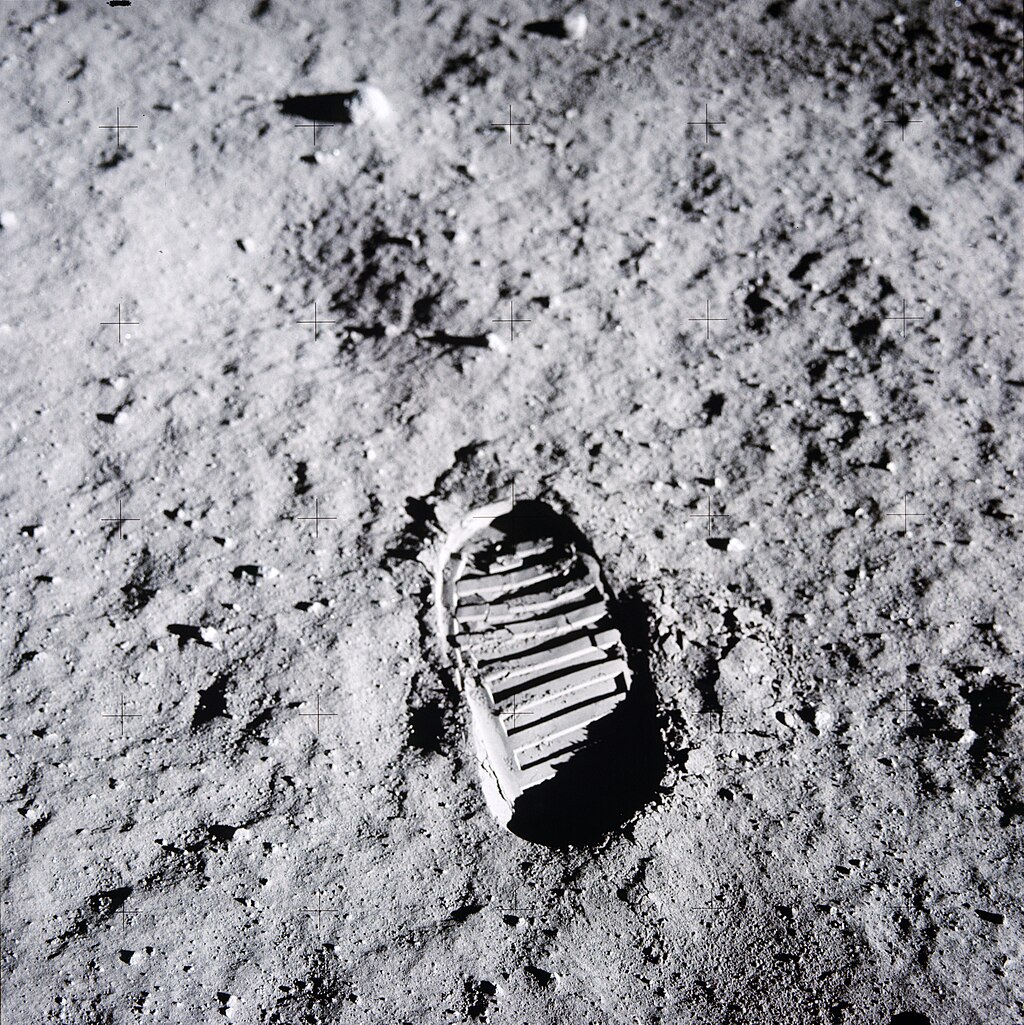
Human footprint on the Moon
This is another epoch-making photograph taken on July 21, 1969. It is often used to illustrate the saying about one man’s small step. And although it does not show Armstrong’s first footprint on the Moon, the photo is still very vivid, as it demonstrates the unusual properties of lunar regolith.
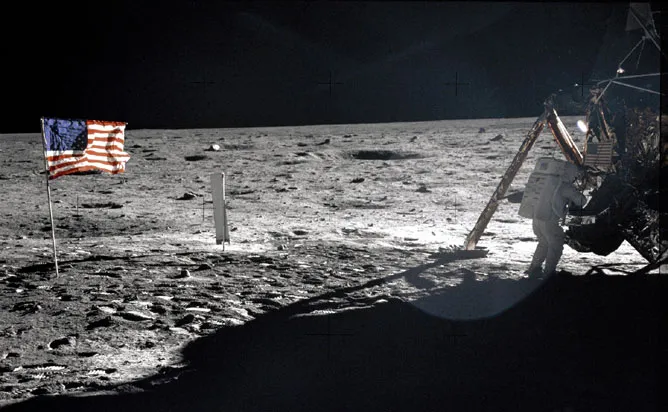
Neil Armstrong on the Moon
By a strange twist of fate, we have virtually no photographs of Neil Armstrong himself on the Moon. Almost all of the photographs taken by the Apollo 11 expedition participants feature Edwin Aldrin. So this is perhaps the only photograph that captures the first man on the Moon, rather than his colleague.
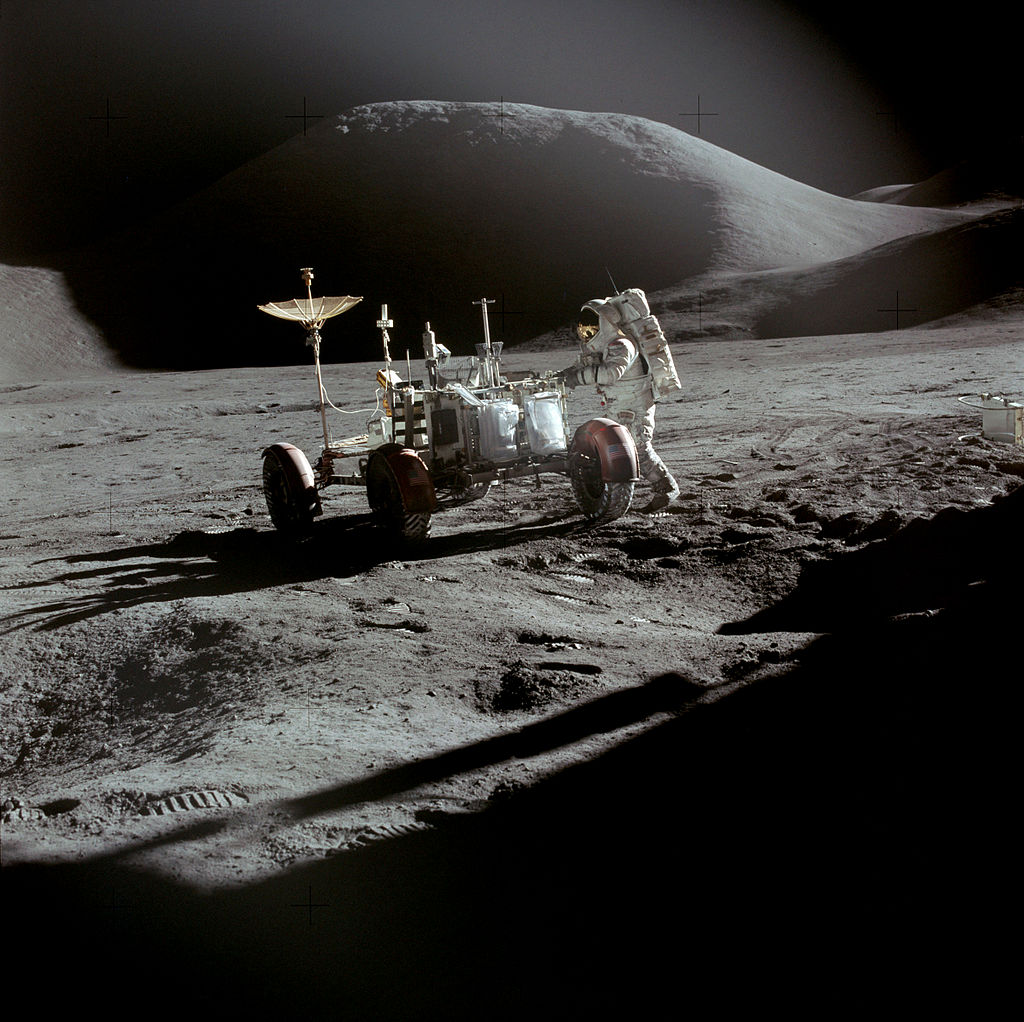
James Irwin against the backdrop of Mons Hadley
This photograph was taken by Apollo 15 expedition member David Scott. It shows his colleague, James Irwin. The image is often cited as an example of how difficult it is to visually determine the distance to objects on the Moon in the absence of an atmosphere. It may seem that there is a small hill behind Irwin that is easy to reach on foot. In reality, this formation is Mons Hadley. It is located 20 km from the shooting point and is 4.5 km high.
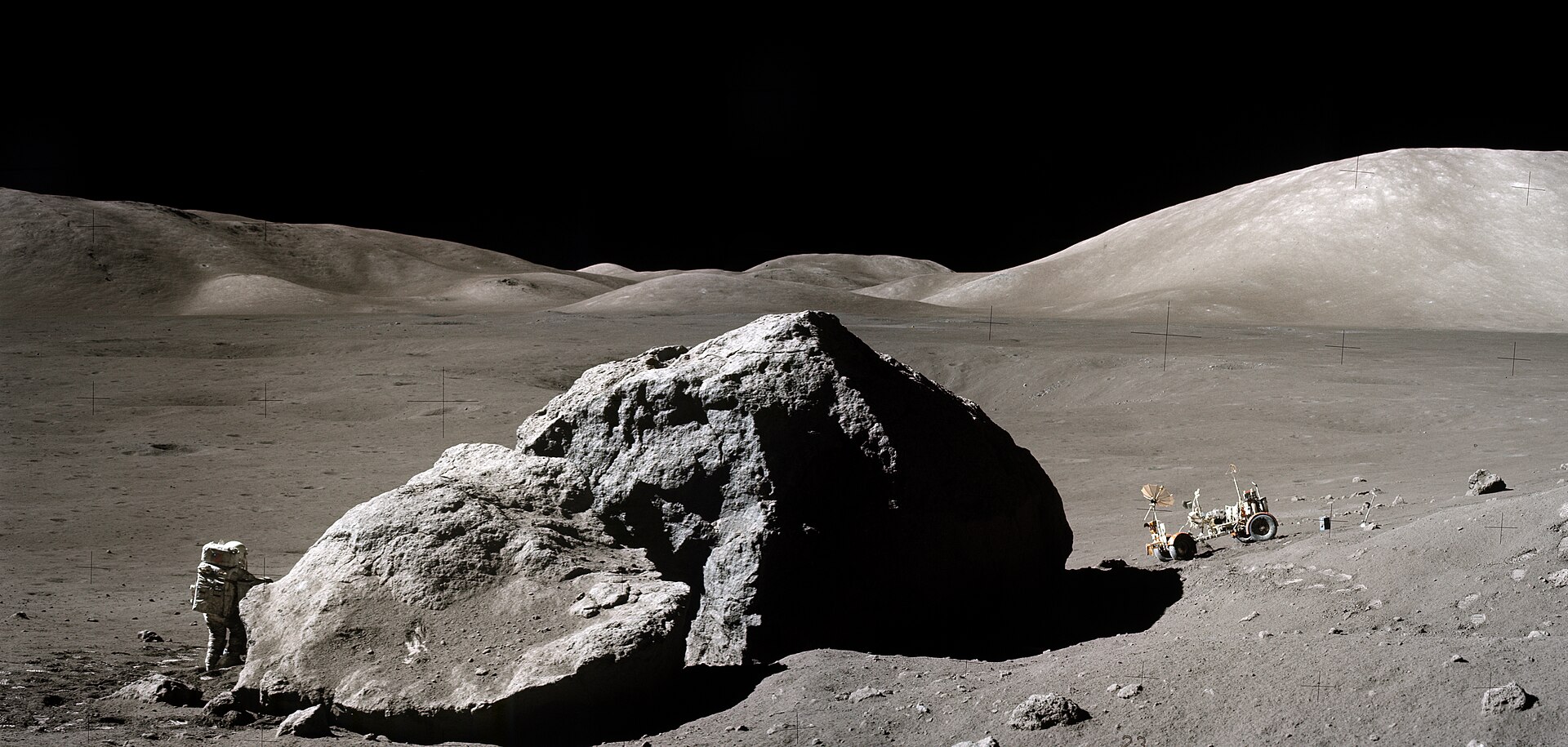
Harrison Schmitt at work
Among the 12 people who left their footprints on the Moon, only one was a professional scientist. That person was geologist Harrison Schmitt, who flew as part of the last Apollo 17 lunar expedition. He is the one pictured in this photograph. The decision to send a scientist to the Moon proved to be entirely justified. It is believed that of all the participants in the Apollo program, it was Schmitt who collected the samples of greatest scientific value.
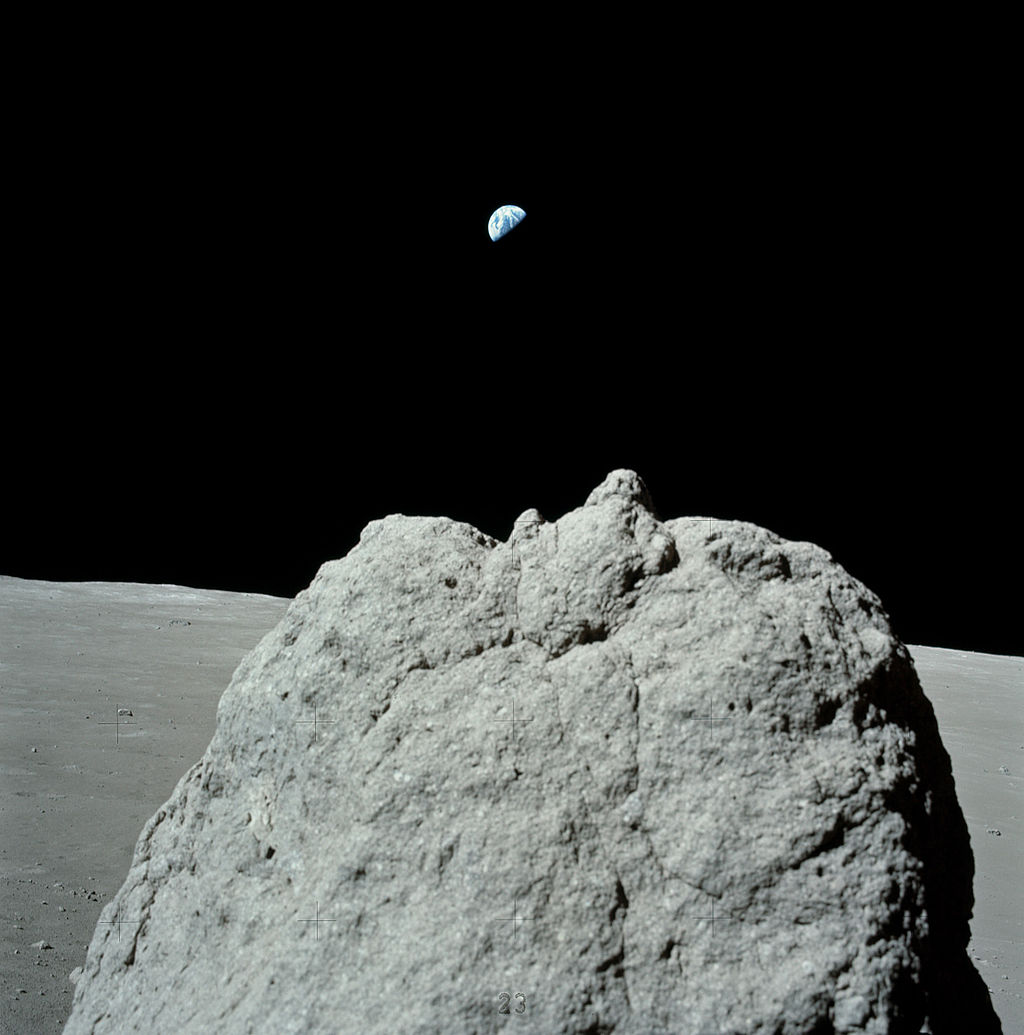
View of Earth from the lunar surface
In films dedicated to the Moon, our planet is often depicted as being located just above its horizon. But such views are only possible in polar regions, while the Apollo expeditions landed in equatorial latitudes. There, our planet is quite high in the sky, as shown in this photograph taken by members of the Apollo 17 mission.
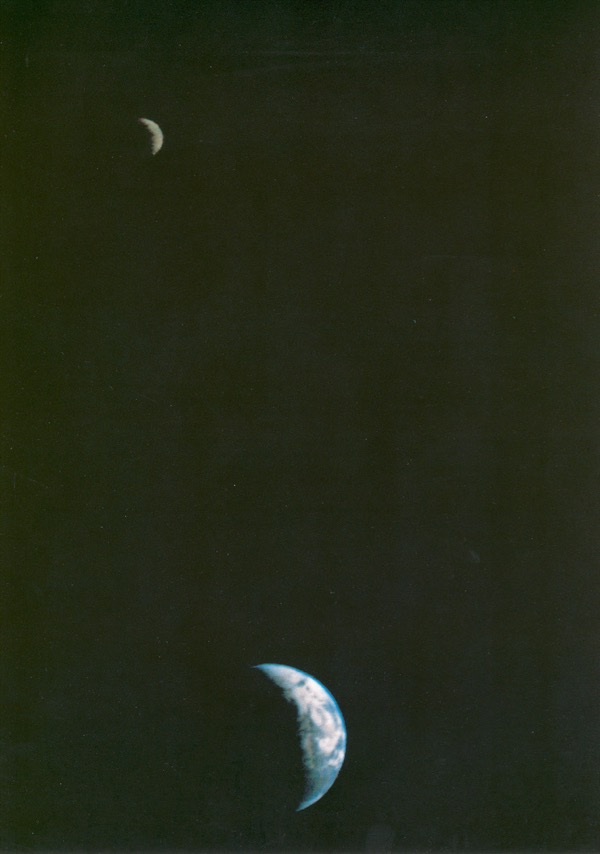
Earth and Moon in one frame
Even though the Apollo expedition participants photographed the Moon countless times, one angle proved beyond their capabilities. The spacecraft carrying the astronauts never traveled far enough to capture both our planet and the Moon in a single frame. The Voyager 1 probe was the first to take such a photograph. The image was obtained on September 18, 1977, from a distance of 11.66 million kilometers.
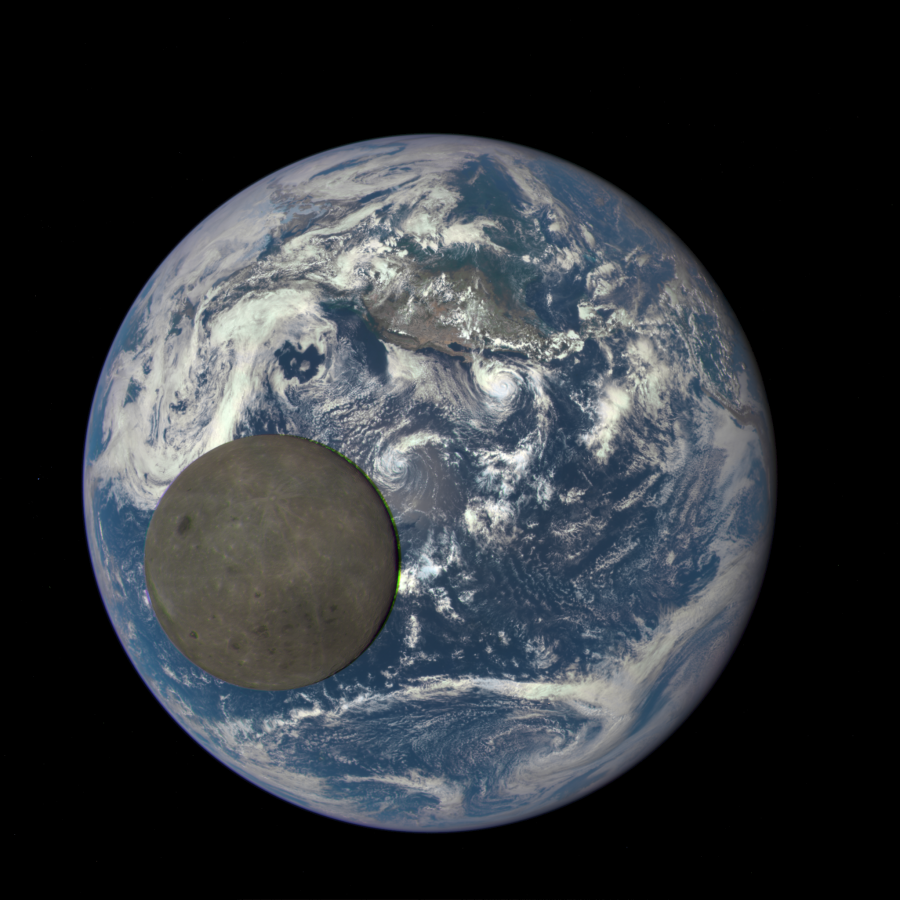
Earth and the far side of the Moon
In 2014, China became the third country in history whose spacecraft successfully orbited the Moon and then returned to Earth. This honor went to the Chang’e-5T1 mission. During its orbit around the Moon, the Chinese spacecraft took a photo showing its far side and Earth in the distance.
https://www.planetary.org/space-images/earth-and-the-moon-from-change5t1
Transit of the Moon against the background of the Earth
DSCOVR is one of the most unusual satellites studying our planet. The fact is that it is located 1.6 million km from Earth at the Lagrange point L1. Thanks to its unique position, on July 16, 2015, the satellite captured a previously unseen spectacle: the transit of the Moon against the background of the Earth’s disk. The image is interesting not only because of its unique perspective, but also because it demonstrates how much darker the Moon is than Earth and how its far side differs from the visible side.
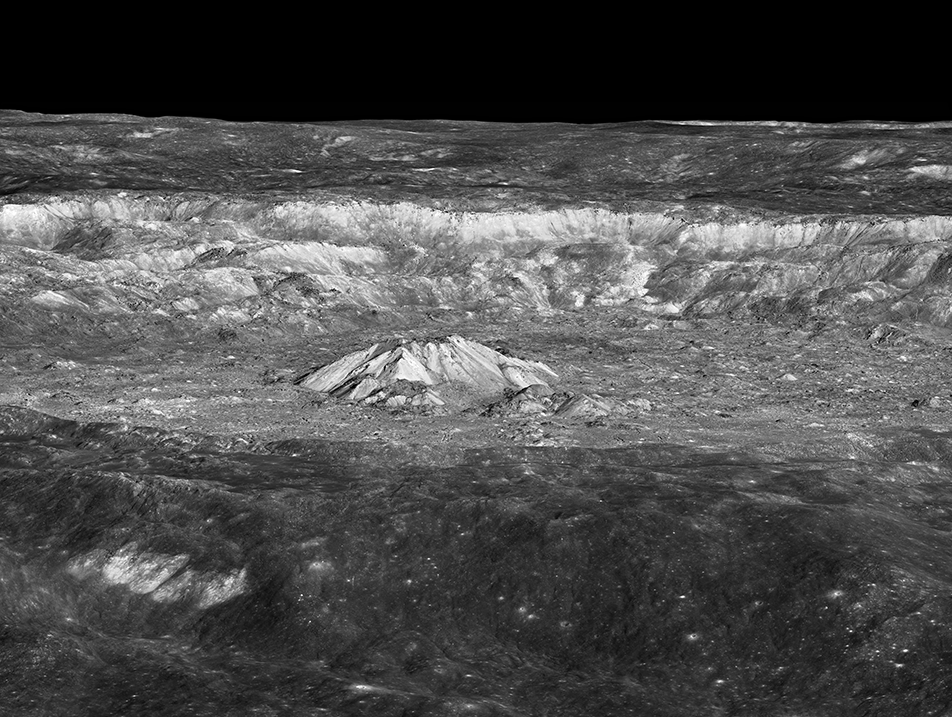
Tycho (lunar crater)
Tycho is far from being the largest lunar crater. But it is certainly one of the most visible. It can be seen even with binoculars or a small telescope. The crater is easily identifiable by the system of rays surrounding it. Their presence is explained by Tycho’s relative youth: it was formed during the time of the dinosaurs. The photo taken by the LRO shows the central peak of the crater. It consists of fairly “sharp” rocks that have not yet been worn down by cosmic erosion.
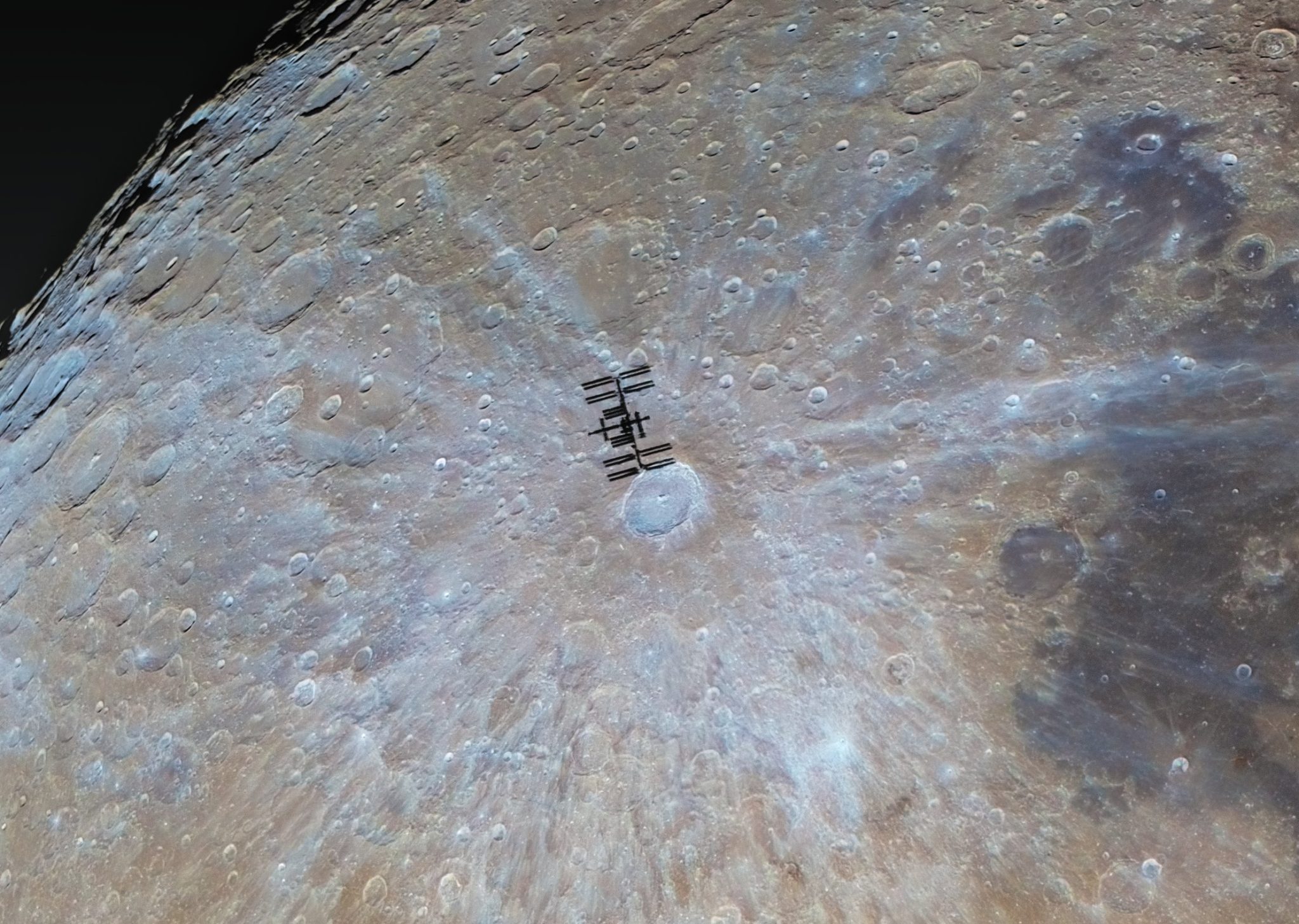
Transit of the ISS against the background of the Moon
From time to time, in different parts of the world, you can observe the ISS transiting against the background of the Moon. One of the most spectacular images of this celestial conjunction was taken by astrophotographer Andrew McCarthy. In 2023, he captured the silhouette of the station above the Tycho crater.
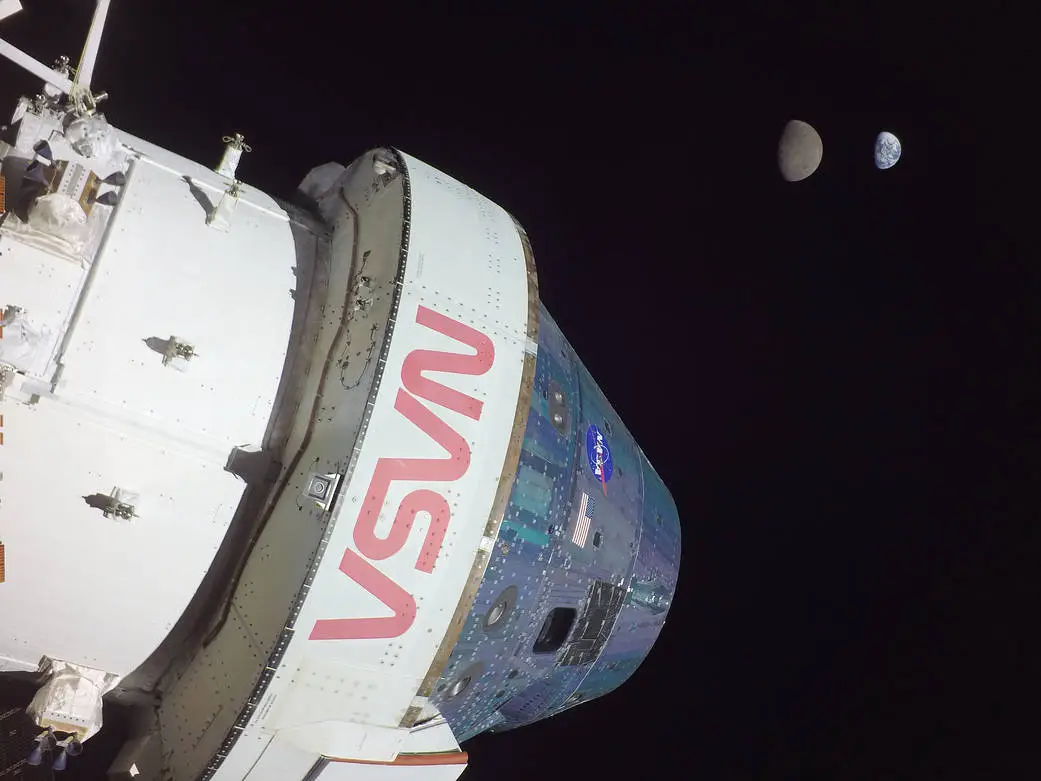
Earth, Moon, and Orion spacecraft
After the Apollo program ended, it took humanity more than half a century to begin the process of returning to the Moon. This photo was taken on November 28, 2022, as part of the Artemis I mission, which aimed to test the new SLS rocket and Orion spacecraft. The photo shows both the spacecraft itself and Earth with its faithful companion.
This article was published in issue No. 2 (191) of Universe Space Tech magazine in 2024. You can purchase this issue in electronic or paper format from our store.

