

A leak of vital air continues at the International Space Station (ISS). Despite the crew’s hopes that the latest crack in the Russian Zvezda module has finally been repaired, prolonged observations confirm that the station is still losing precious air supplies.
Roscosmos notes that after repairing the hull, the team believed the problem had been solved, but further data dispelled these hopes. The repairs only slowed down the air leak, but did not stop it completely.
The history of the hole
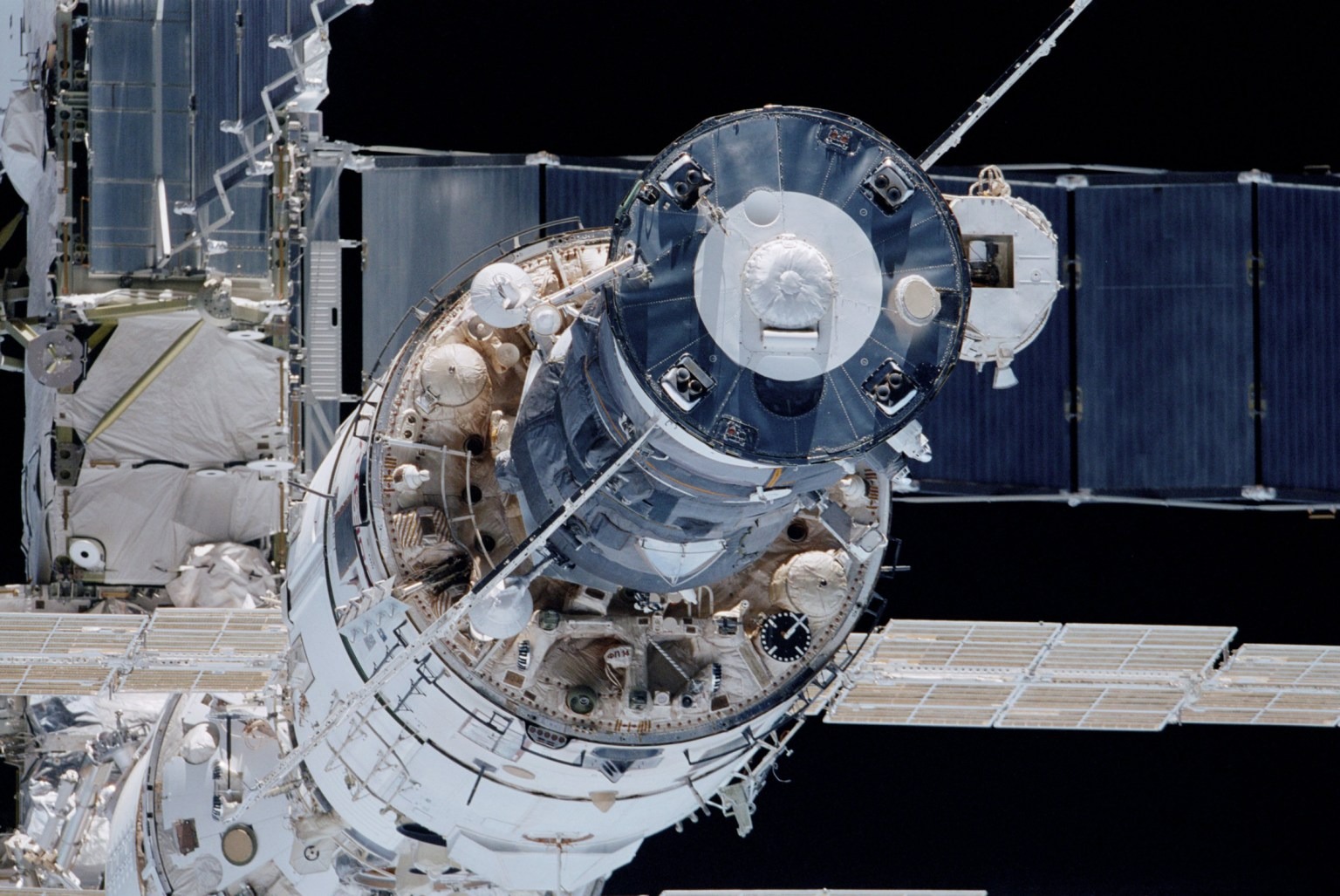
The air leak from the ISS was first detected in September 2019. Its source is located in the airlock connecting the docking node with the main body of the Zvezda module. Over the past six years, the situation has deteriorated significantly: the rate of air loss has roughly doubled, from around 0.45 kg to almost 0.9 kg per day. This growth caused NASA to raise the risk level to maximum.
An important obstacle to resolving the problem remains the dispute between NASA and Roscosmos regarding the root cause of the leak and the best way to fix it. Even the encouraging sign in June — a change in pressure that could have indicated the leak had stopped after certain manipulations — turned out to be false.
Possible solutions to fix the problem
As a radical solution, space agencies are considering permanently closing the hatch leading to the Zvezda module. If this happens, the ISS will be able to continue operating as normal, and the air leak will indeed stop, but one docking port for cargo or manned spacecraft will be lost, which will be a significant operational limitation.
For now, the crew and ground services continue to search for the elusive “wound” on the space station, trying to maintain the airtightness of the key segment of the ISS in the face of an unpredictable challenge.
We previously reported that astronauts on the ISS complained about the terrible smell coming from the Russian Poisk module.
According to Gizmodo

