

The Japan Aerospace Exploration Agency (JAXA) reported the unsuccessful launch of the H3 rocket. As a result of the accident, the Michibiki 5 navigation satellite was lost.
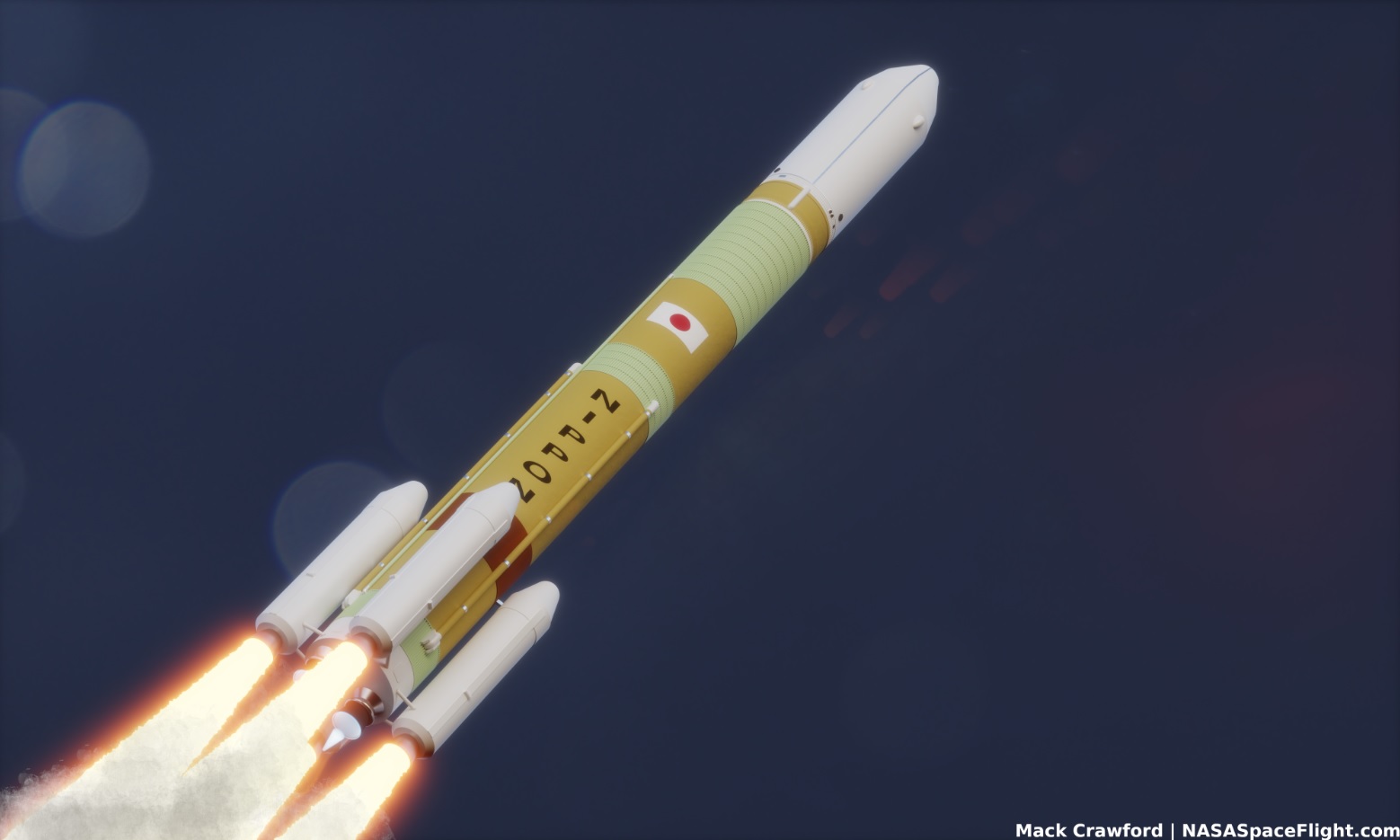
H3 is a heavy-lift rocket that replaced the H-2A and H-2B launch vehicles, which had previously been JAXA’s main workhorses. Depending on the configuration, it can deliver between 4 and 8 tons of cargo into geostationary transfer orbit.
The new rocket made its debut in 2023. Its first flight ended in disaster, but the next six missions were completely successful. Unfortunately, that streak has now come to an end.
On December 22, 2025, H3 was launched from the Tanegashima Space Center. During the operation of the first stage, engineers recorded a drop in pressure in the second-stage liquid hydrogen tank. After the separation of the first stage, the second stage engine ran 27 seconds longer than planned. During the restart, the engine shut down almost immediately.
According to astrophysicist and satellite spotter Jonathan McDowell, at that moment, H3 was in orbit with parameters of 109 by 441 km. Due to the loss of signal, engineers do not yet know whether the Michibiki 5 satellite managed to separate from the rocket. But even if it did, with such orbital parameters, it should have burned up in the Earth’s atmosphere on either the first or second orbit.
Space Force just released an "analyst elset" with catalog 85420 for an object in a 109 x 441 km x 30.1 deg orbit that's consistent with the Tanegashima launch. pic.twitter.com/NfIgvktmgX
— Jonathan McDowell (@planet4589) December 22, 2025
The H3 accident was a significant blow to JAXA. The previous Japanese flagship rocket, the H-2A, had a nearly perfect track record. The failure will also delay the implementation of the plan to create the QZSS regional navigation system. It will reduce Japan’s dependence on the American GPS. Currently, QZSS consists of five satellites, and Michibiki 5 was supposed to be the sixth satellite in this network. When fully deployed, it will consist of 11 satellites.

