

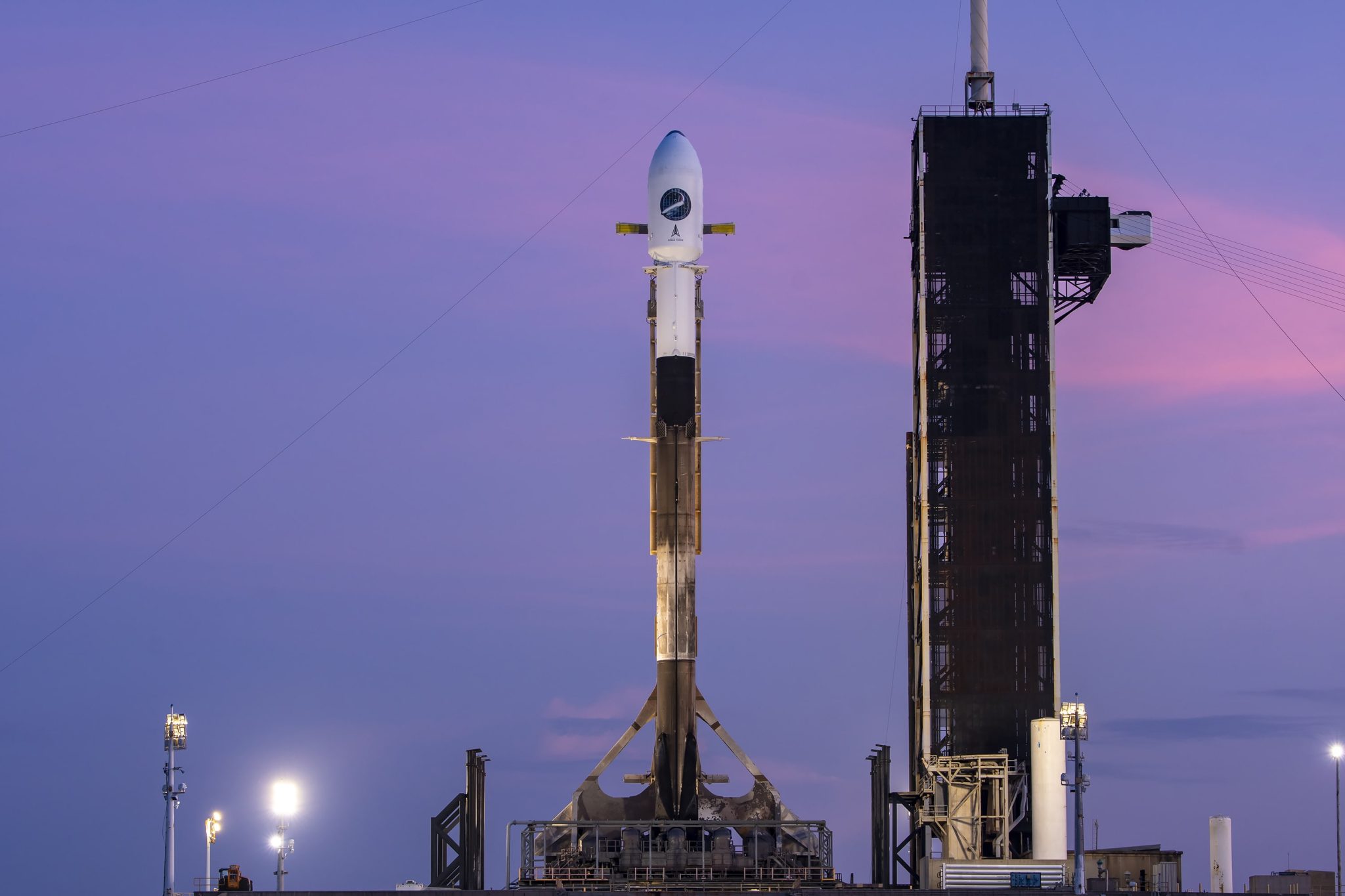
SpaceX successfully launched its Falcon 9 rocket. It put the X-37B, an experimental spaceplane belonging to the US Space Force, into orbit.
US Space Force orbital aircraft
The X-37B was developed and built by Boeing. It is 8.9 m long, 2.9 m high, and has a wingspan of 4.5 m. The spacecraft is launched into orbit by a rocket and lands like an airplane when it returns to Earth. The spaceplane has a takeoff weight of 5 tons and is equipped with a cargo compartment that can hold up to 900 kg of payload. The latter can be represented by both satellites and instruments and materials that are subsequently returned to Earth.
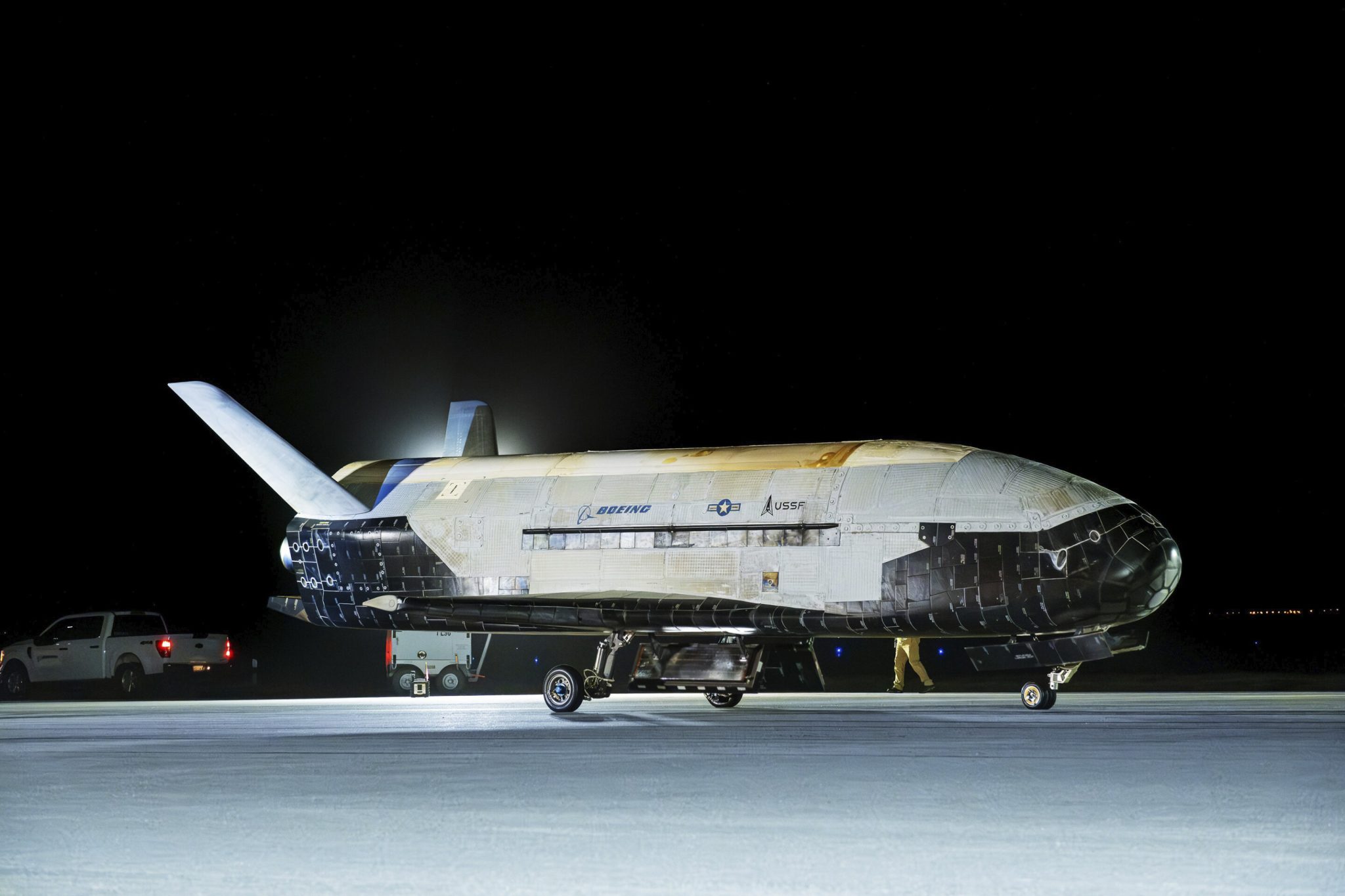
A total of two such spacecraft have been built, which have made seven long-duration flights into space since 2010. In total, they spent 4,208 days in Earth orbit. The last flight of the X-37B ended on March 7, 2025.
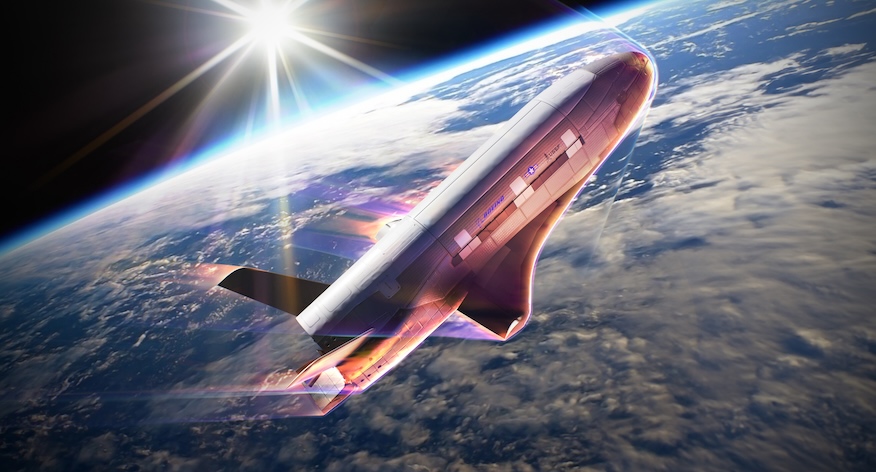
In the past, X-37B flights were classified. However, in recent years, the US military has begun to share some information about the nature of its missions and has even published a photograph taken by a drone. It is reported that the spaceplane is mainly used to test experimental technologies and study the effects of the space environment on various materials. It was also involved in an experiment on the possibility of changing orbit using aerodynamic braking maneuvers.
Main objectives of the eighth X-37B mission
The eighth mission of the X-37B began on August 21. For the first time, Falcon 9 Block 5 was used to launch the spaceplane. It successfully put the spacecraft into the desired orbit.
According to a statement by the US Space Force, the X-37B will have two main tasks during its eighth mission. The first of them is the demonstration of high-bandwidth inter-satellite laser communication technology. The vehicle will need to establish communication with commercial satellite constellations in low Earth orbit. This technology enhances the resilience of US space architecture by ensuring no single point of failure.
The second objective of the flight is to test advanced space navigation technology using the highest-performance quantum inertial sensor ever launched into space. This device is designed to accurately determine the position and movement of the apparatus by detecting the rotation and acceleration of atoms without using external systems such as GPS. This technology can be useful both in conflict situations, when GPS systems may be disrupted, and in deep space exploration.
The exact duration of the eighth X-37B mission has not been disclosed. Currently, the record is held by the sixth flight, which lasted 908 days.

