

According to confidential documents, at least 2,145 high-ranking NASA employees — the core of the management and technical staff — have decided to resign. This represents more than 80% of the 2,694 civil employees who agreed to voluntary redundancy programs, including early retirement and severance payments. The loss of 875 highly qualified GS-15 specialists is particularly striking.
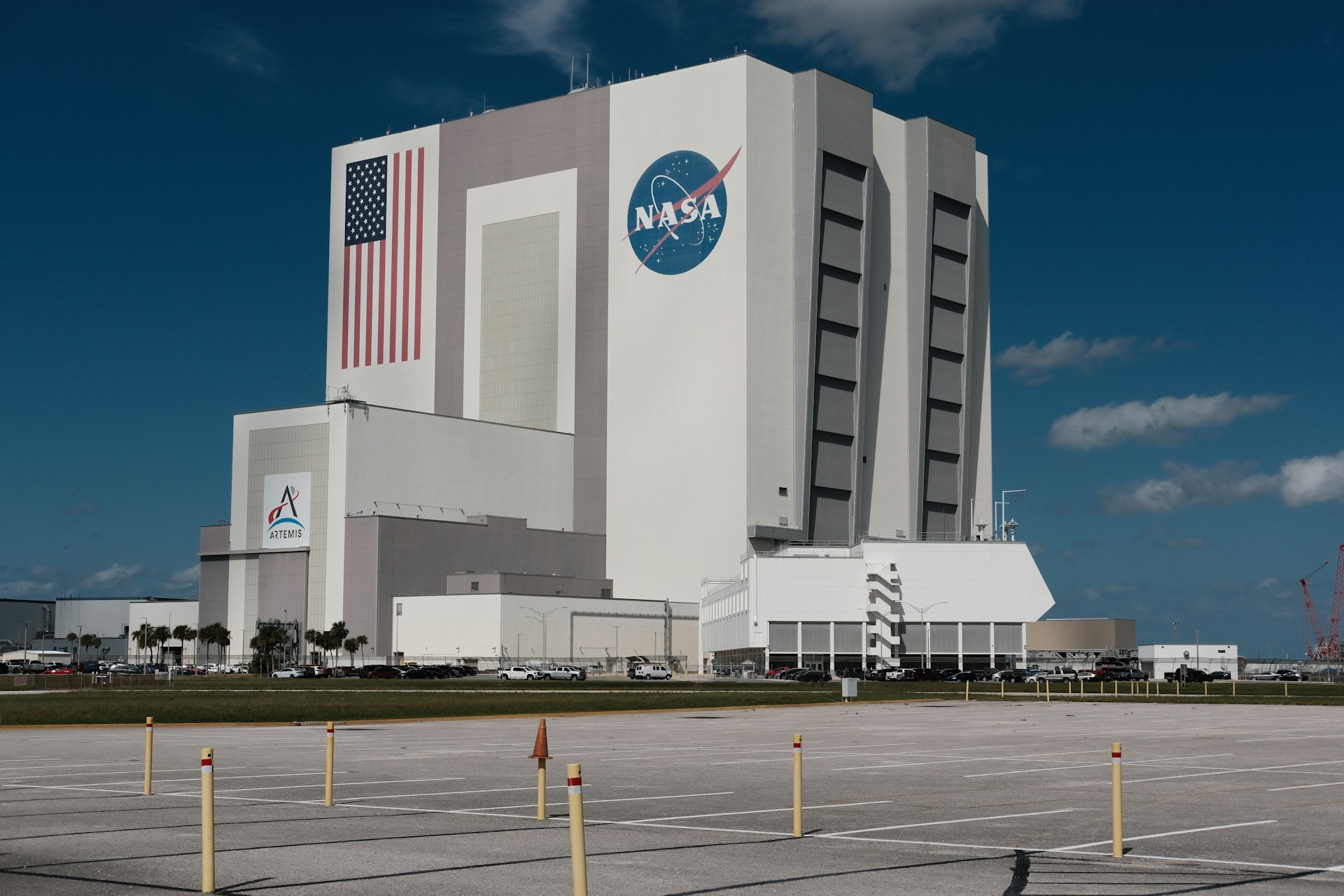
“You’re losing the managerial and core technical expertise of the agency,” warns Casey Dreier of The Planetary Society.
A blow to key missions
These are not just numbers. 1,818 specialists were directly involved in scientific research or manned flights, including the Artemis program to the Moon and future missions to Mars. The losses are concentrated in the executive centers. Goddard loses 607 people, Johnson (Texas, manned flights) — 366, Kennedy (Florida, launches) — 311, headquarters in Washington — 307. This threatens the schedules of the most complex missions, especially the planned moon landing by 2027.
Budget crisis
The mass layoffs are a reaction to the White House’s proposed budget for 2026, which calls for a 25% cut in NASA funding and the layoff of more than 5,000 employees. If Congress approves these plans, NASA will end up with its lowest funding since the 1960s. Many employees are leaving their jobs, fearing for the future. “It looks like the situation will only get worse,” says one anonymous specialist, also referring to the lack of a permanent head of the agency.
Uncertain future
Even small but critically important units are affected by losses. The Legislative Affairs Department (responsible for cooperation with Congress) is losing 5 of its 35 employees — almost 15%. NASA formally affirms its commitment to the mission within the priority budget, but the reality is harsh. Even if Congress rejects the cuts, it will be extremely difficult to bring back highly qualified specialists: they will be keenly recruited by the private space sector or other industries offering much higher salaries.
The mass exodus of specialists calls into question NASA’s ability to carry out its most ambitious tasks in the coming years.
We previously reported on how Transport Minister Sean Duffy was appointed interim administrator of NASA.
According to politico.com

