

NASA and the Indian Space Research Organization (ISRO) have announced the launch date for the NISAR (NASA-ISRO Synthetic Aperture Radar) satellite. It will be launched into space on July 30.
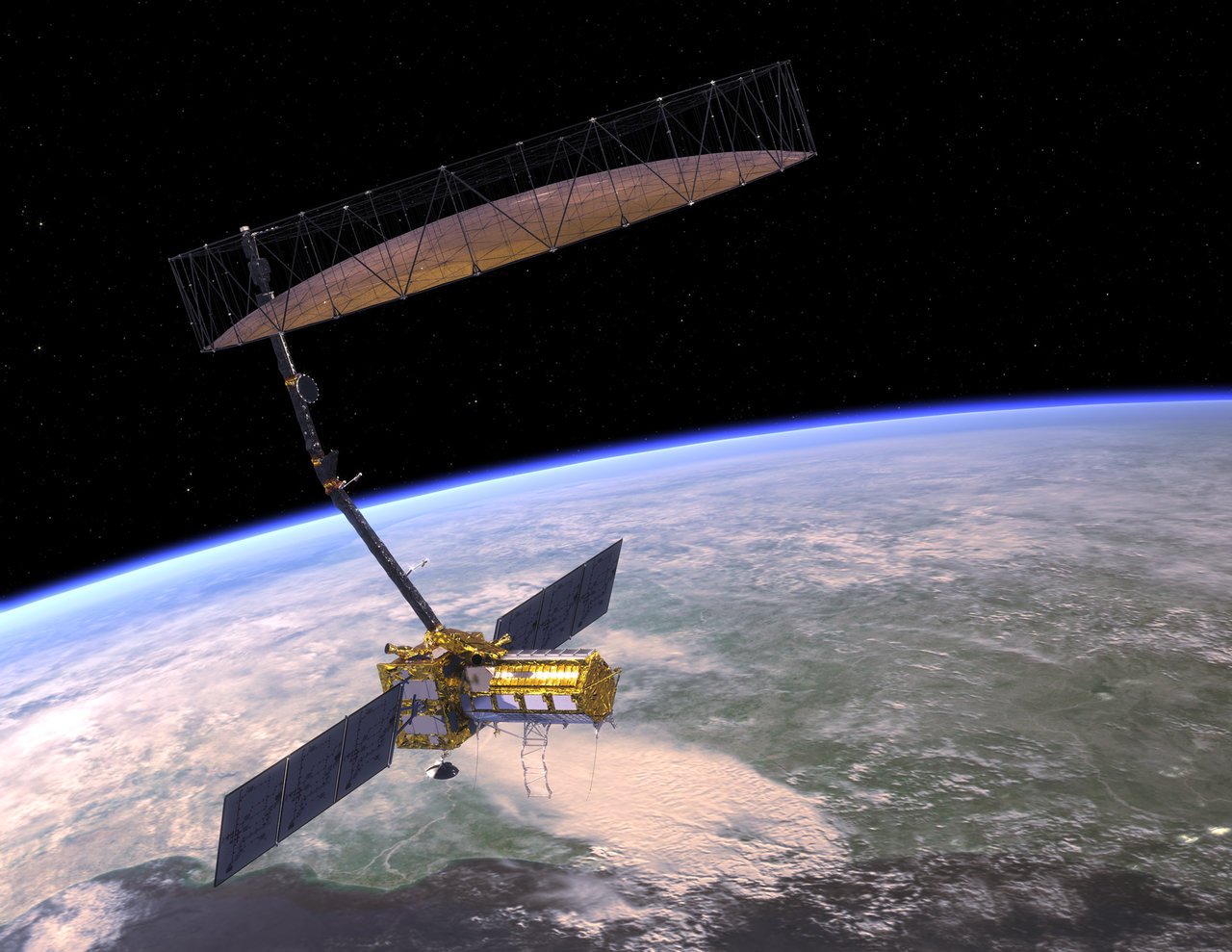
NISAR is a joint project between NASA and ISRO to create a spacecraft equipped with advanced radar capable of mapping the terrain of land and ice masses on Earth with a resolution of 5 to 10 meters. It is designed to observe and measure some of the most complex natural processes on the planet, including ecosystem disturbances, ice sheet destruction, and the effects of natural disasters such as earthquakes, tsunamis, volcanic eruptions, and landslides.
To solve this problem, NISAR was equipped with a dual-frequency synthetic aperture radar. It became the first radar satellite to use two frequencies. The creation of the device cost NASA and ISRO approximately $1.5 billion. This makes NISAR one of the most expensive satellites ever built for imaging the Earth’s surface.
The 2,800-kilogram spacecraft will be launched from the Satish Dhawan Space Center. The GSLV F16 rocket will be used for the mission. It is expected to launch NISAR into a 747-kilometer sun-synchronous orbit.
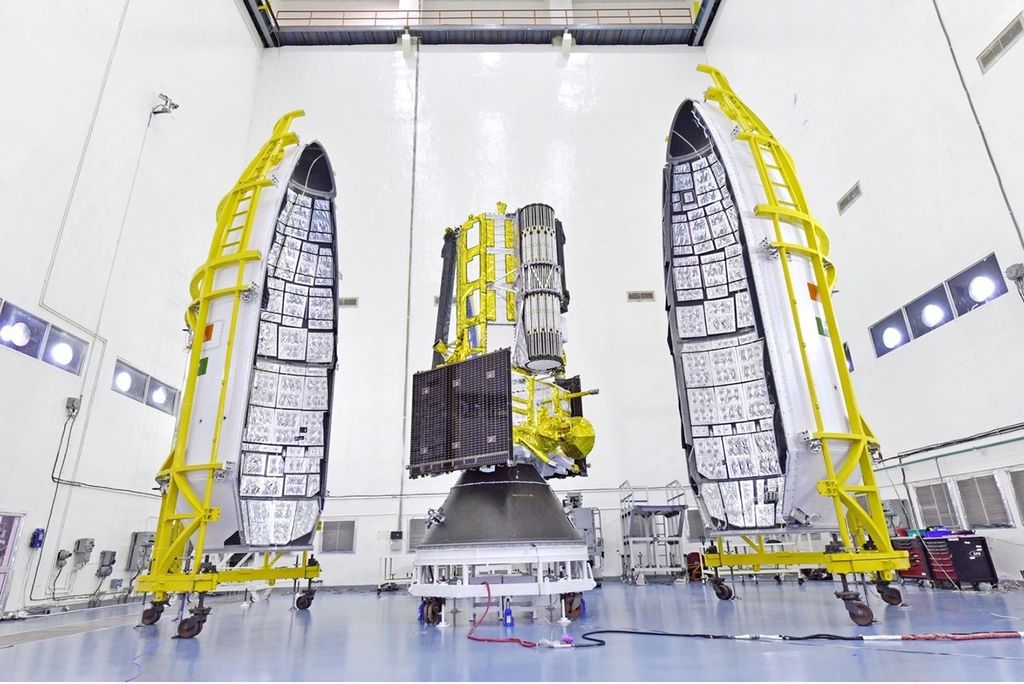
After reaching orbit, NISAR will deploy a 12-meter-long grid antenna. The satellite will scan the Earth’s land and glaciers twice every 12 days. The data collected by NISAR will be available to all users from various fields. They can be applied in areas such as disaster response, infrastructure monitoring, and agriculture.
Earlier, we reported on how NASA’s Jet Propulsion Laboratory put operational spacecraft up for sale.
According to NASA

