

December 22, 2015, marked one of the most important events in the history of modern space exploration. SpaceX successfully landed the Falcon 9 rocket stage for the first time. On the tenth anniversary of this historic landing, we explain how SpaceX achieved this feat and how it changed space exploration forever.
Space challenge
The Space Shuttle program was the first full-fledged attempt to create a partially reusable space system. Within its framework, the shuttle itself was reused, as well as a pair of solid-fuel boosters that landed on parachutes. However, due to a number of technical compromises inherent in the program’s architecture and the immaturity of the technologies involved, it cannot be considered a success from an economic point of view. Yes, the shuttles were reused. However, their restoration and preparation for a new launch required much more time and money than had been anticipated during the development phase. As a result, the cost of launching a shuttle far exceeded the cost of launching a conventional rocket.
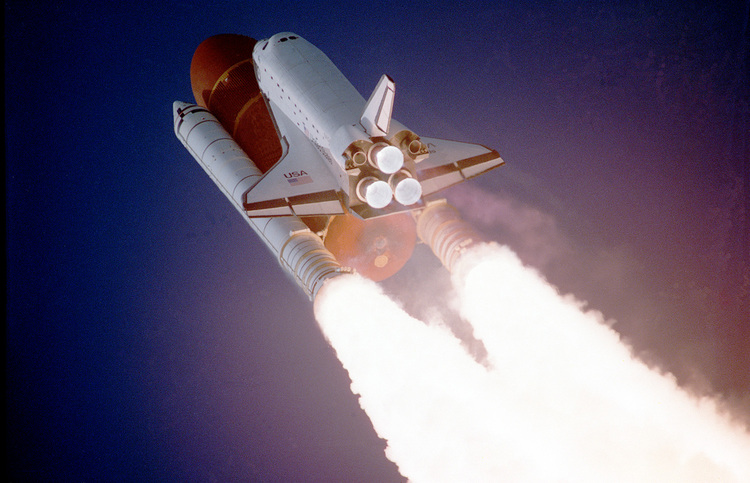
Several rocket designs were also developed that involved reusing first-stage engines, which, according to the designers’ concept, were to be dropped by parachute. However, these designs were never implemented. One of the main reasons for this was that the space industry was still predominantly the preserve of countries. With guaranteed government contracts, there was no point in rocket manufacturers reducing the cost of launches.
This situation began to change at the beginning of the 21st century with the emergence of a number of private companies ready to challenge the traditional aerospace giants. One of them was SpaceX. When the company first announced its plans to reuse the first stage of the Falcon 9 rocket, most experts were extremely skeptical. Some even openly ridiculed them. But SpaceX was ready to take on the challenge.
From parachutes to jet landing
Initially, SpaceX chose a traditional approach and attempted to implement the idea of returning the stage using parachutes. Attempts were made during the first two Falcon 9 launches. In both cases, the stage disintegrated in the atmosphere upon re-entry. Experts quickly realized that this was a dead end. Even if the stage had survived re-entry, the parachute system had a number of problems, one of which was its considerable weight, and another was that the stage would land in seawater, which could damage the engines.
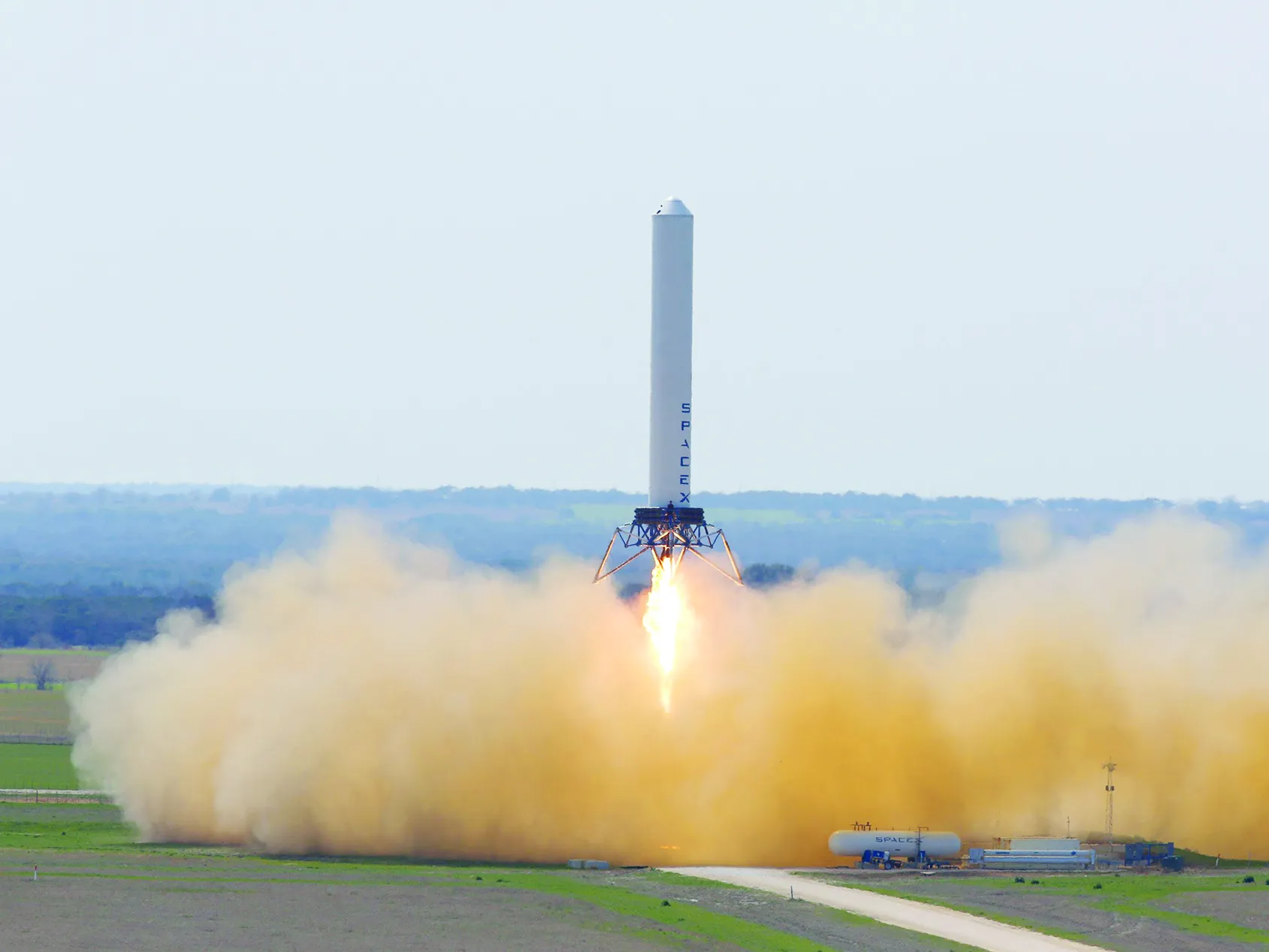
Instead, a controlled reentry and jet landing scheme was chosen. To develop the necessary technologies, SpaceX built Grasshopper, a vehicle capable of vertical takeoff and landing. Testing began in 2012.
At the same time, engineers tried to obtain as much data as possible about the rocket’s behavior during actual space flight and actively experimented. In 2013, SpaceX succeeded in reactivating the engines of the separated first stage for the first time. And in 2014, the first controlled splashdown in the ocean took place. The company also began preparing autonomous barges, which were to be used for most of the landings. However, even then, most experts still did not believe in SpaceX. It was believed that even if the company recovered the stage, the cost of servicing it would negate the whole idea of reusability.
Historic landing
The first real attempt to land the Falcon 9 stage was made in January 2015. It failed. The next time, the company came extremely close to success, but during contact, the stage tipped over onto the barge and exploded.
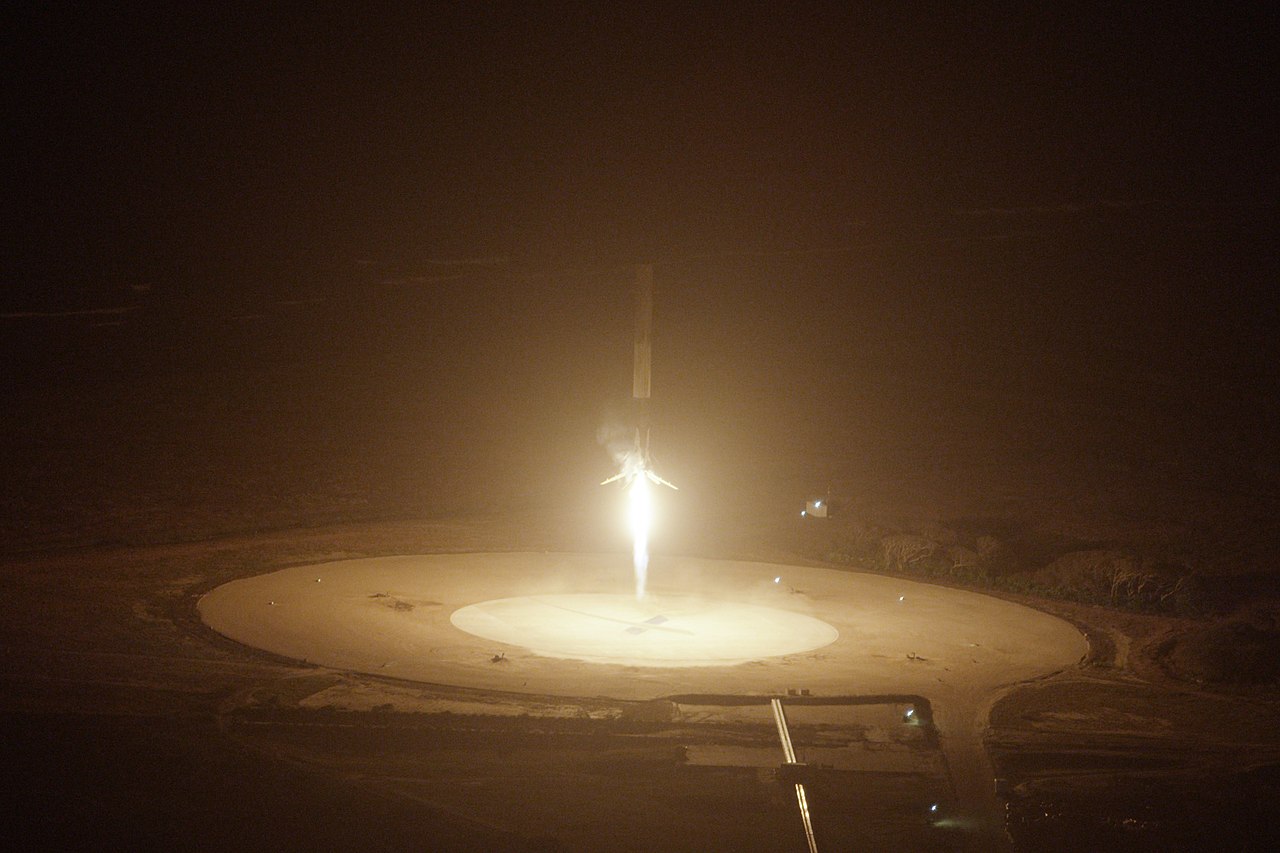
On December 22, SpaceX made another attempt to recover a stage from space. The task was made easier by the fact that this time the landing was not on a barge, but on land. And this time, SpaceX was successful. The stage with the serial number B1019 made a historic landing at Cape Canaveral, proving the viability of the idea.
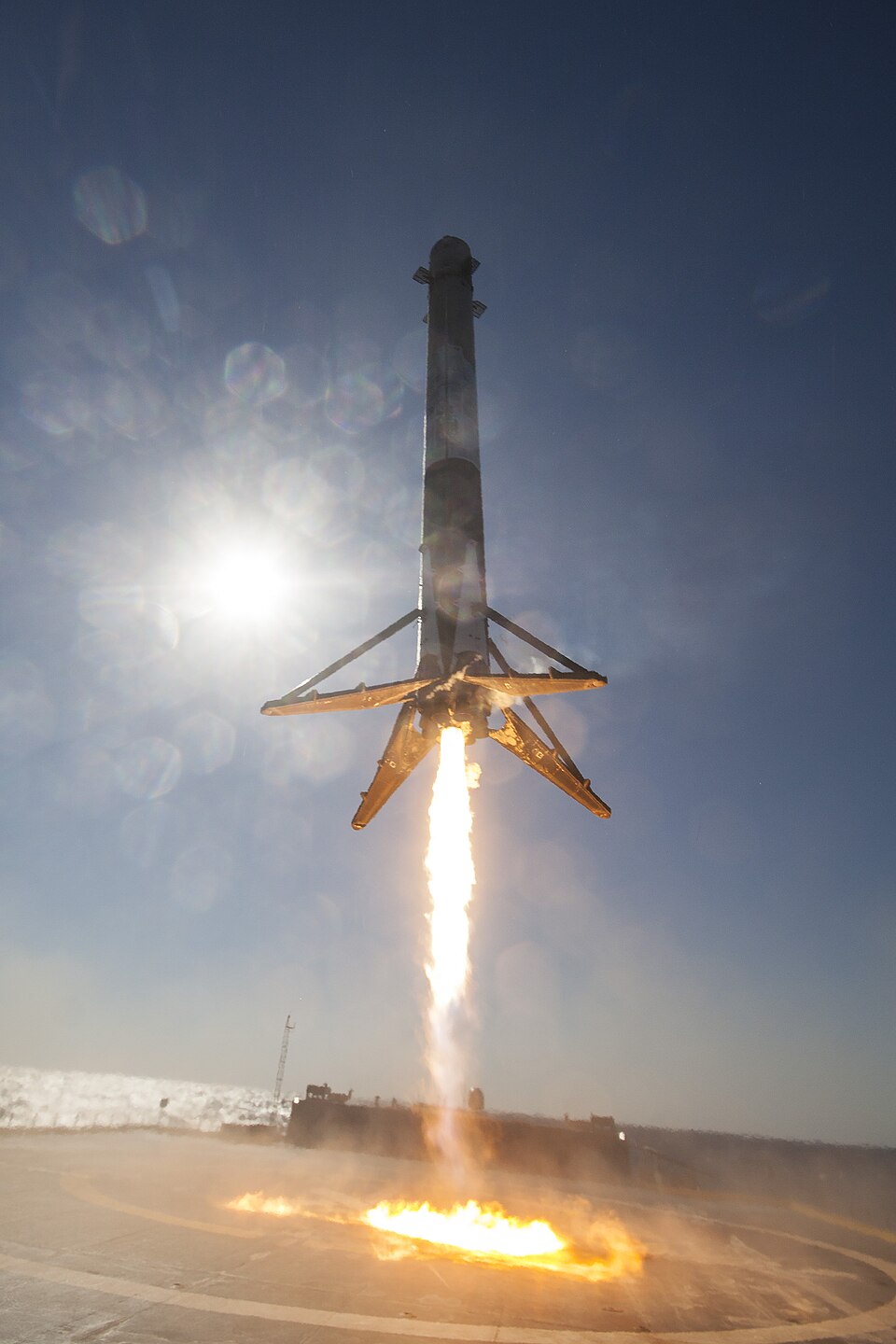
The final confirmation was to be the landing on a barge. After two more failures, on April 8, 2016, SpaceX finally succeeded in solving the problem. For the first time in history, humanity had a rocket with a reusable first stage.
The Reusable Revolution
However, even after all this, not everyone was ready to believe in success. After all, it is not enough to simply return the stage; it must be possible to launch it into space again, and it must be cheaper than using a new stage.
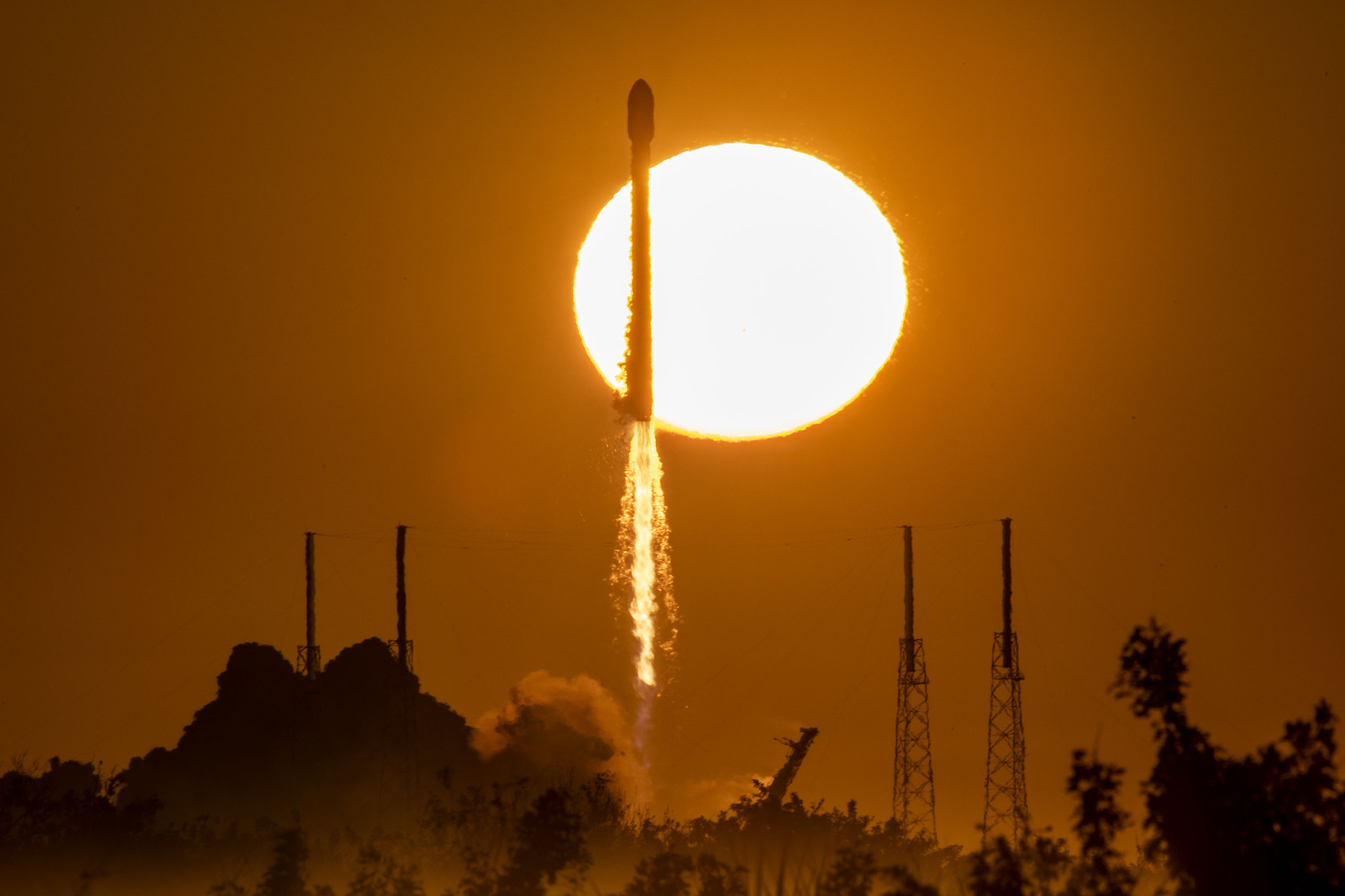
This task was accomplished a year later when the stage with the side number B1021 successfully returned from space for the second time. The final step was the commissioning of Falcon 9 Block 5, the “final” modification of the rocket, whose design incorporated the results of all SpaceX experiments. It was destined to become SpaceX’s workhorse, which ultimately changed the landscape of global space exploration. As of December 16, 2025, 523 of the 524 launches of this modification of Falcon 9 were successful.
As for reusing stages, out of 531 attempts, SpaceX failed to recover the stage in only six cases. This number is higher than the total number of Falcon 9 launches because its first stages are also used in Falcon Heavy launches.
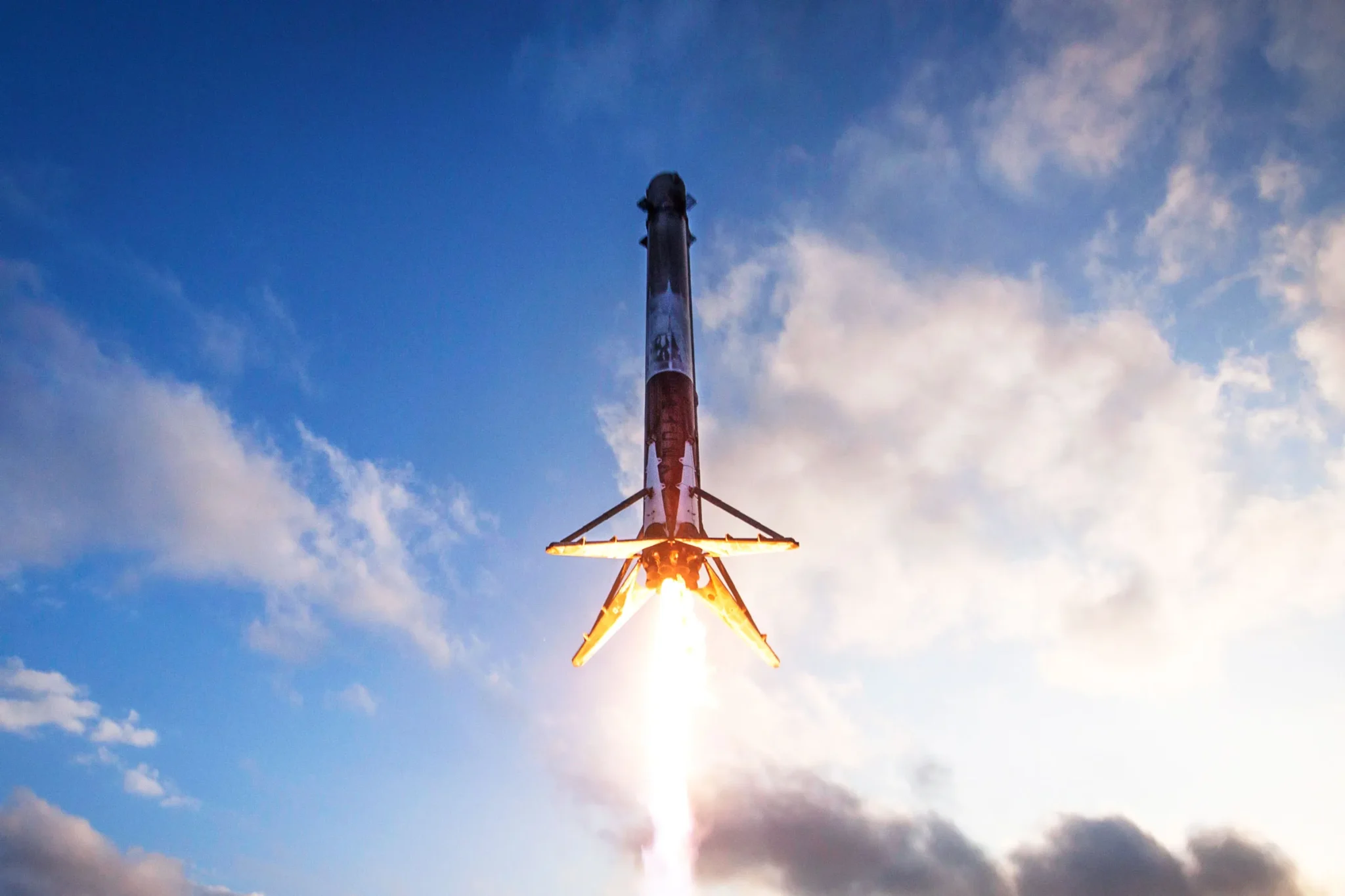
Over the years, SpaceX has raised the bar for the maximum number of launches for first stages several times. Initially, it was 10 launches, then 20, and now 40. At the time of writing, the record was held by stage B1067. It has flown into space 32 times.
Thanks to a combination of unprecedented reliability and lower prices than its competitors, reusability has allowed SpaceX to capture a huge share of the global launch market. Falcon 9 launches are now effectively produced on an assembly line basis. It is launched more often than all other rockets combined.
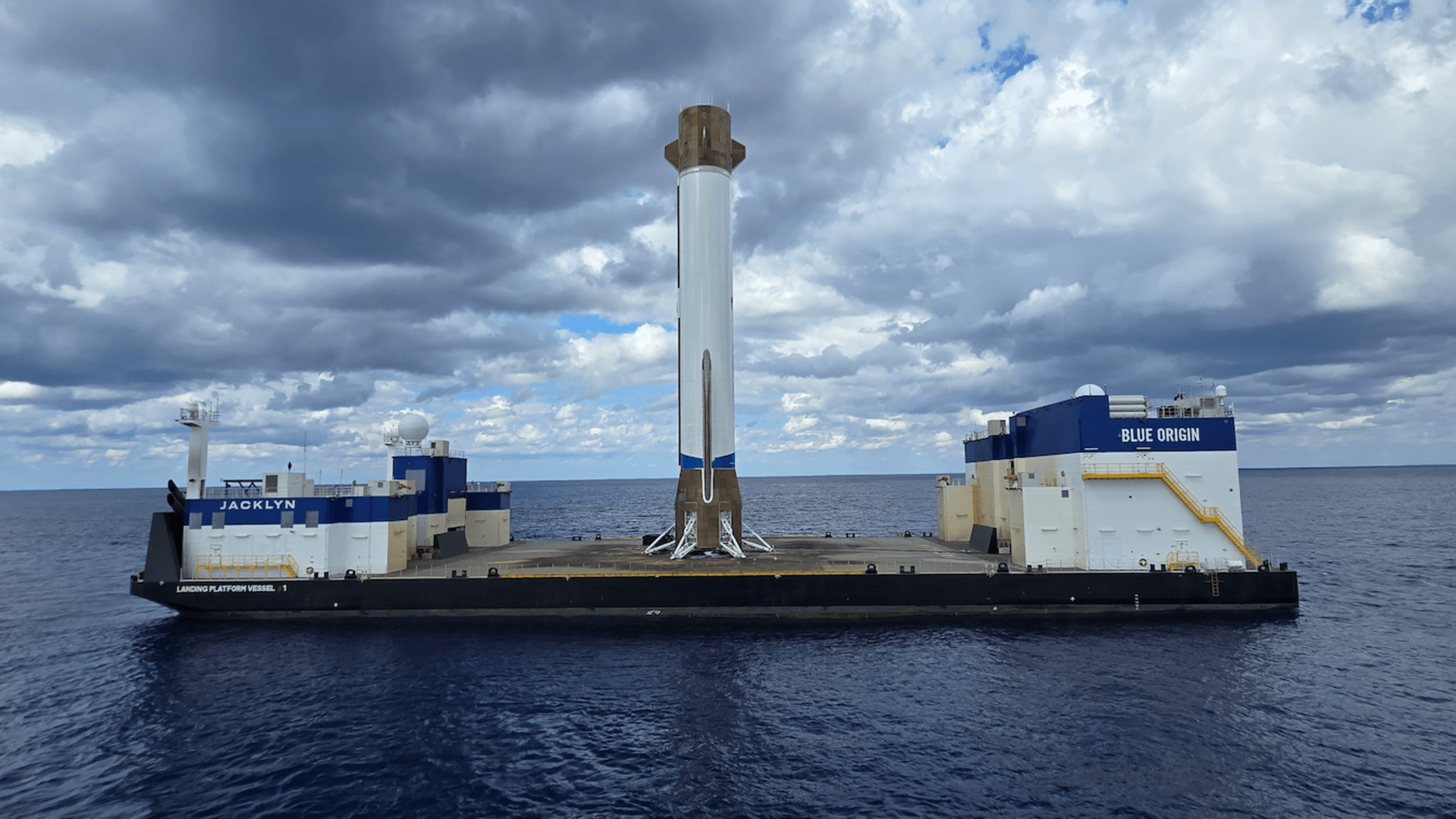
Only in 2025 did several companies come close to repeating SpaceX’s success. Blue Origin has achieved the most significant results so far. On its second attempt, it managed to land the New Glenn rocket stage on a barge. China’s Landspace could have gone down in history as the third company to build a reusable rocket. However, the first attempt to land the Zhuque-3 stage was unsuccessful. Next in line are Long March 8, built by the China Academy of Launch Vehicle Technology, and Neutron from Rocket Lab.
SpaceX, in turn, is preparing to take the next step and create the first fully reusable space system in history. In recent years, the company has been actively testing its giant Starship rocket. If all goes well, its first landing could take place as early as 2026.
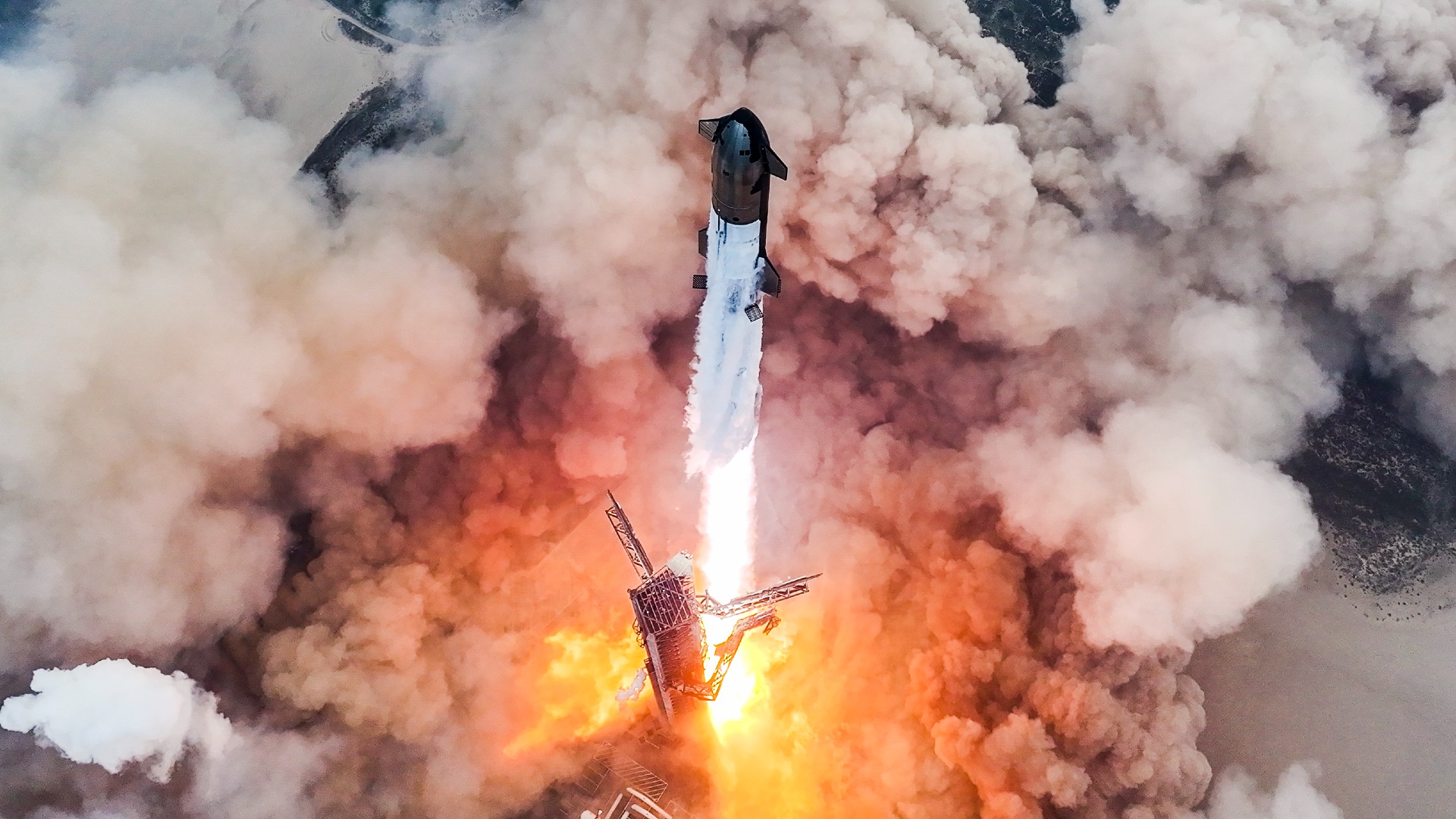
Whatever the future holds for all these rockets, one thing is certain: space exploration will never be the same again. And the beginning of this new path was laid ten years ago, when Falcon 9 managed to do what was previously considered impossible.

