

The White House has issued a long-awaited executive order simplifying federal regulations on commercial rocket launches. This could benefit SpaceX and other American private space companies.
Trump’s executive order, among other things, instructs the US Secretary of Transportation to cancel or expedite environmental reviews for launch licenses issued by the Federal Aviation Administration (FAA), according to a White House statement. The document also calls on the minister to cancel “outdated, redundant, or overly restrictive rules for launch vehicles and reusable spacecraft.”
“Inefficient licensing processes hinder investment and innovation, limiting the ability of American companies to lead in global space markets,” the executive order states.
Although Musk and Trump had a public spat a few months ago, Musk’s company SpaceX is likely to be the biggest direct beneficiary of Trump’s executive order. It is the clear leader among all US space industry companies in terms of the number of launches. Jeff Bezos’ private rocket company Blue Origin and its space tourism business could also benefit from a lighter regulatory regime.
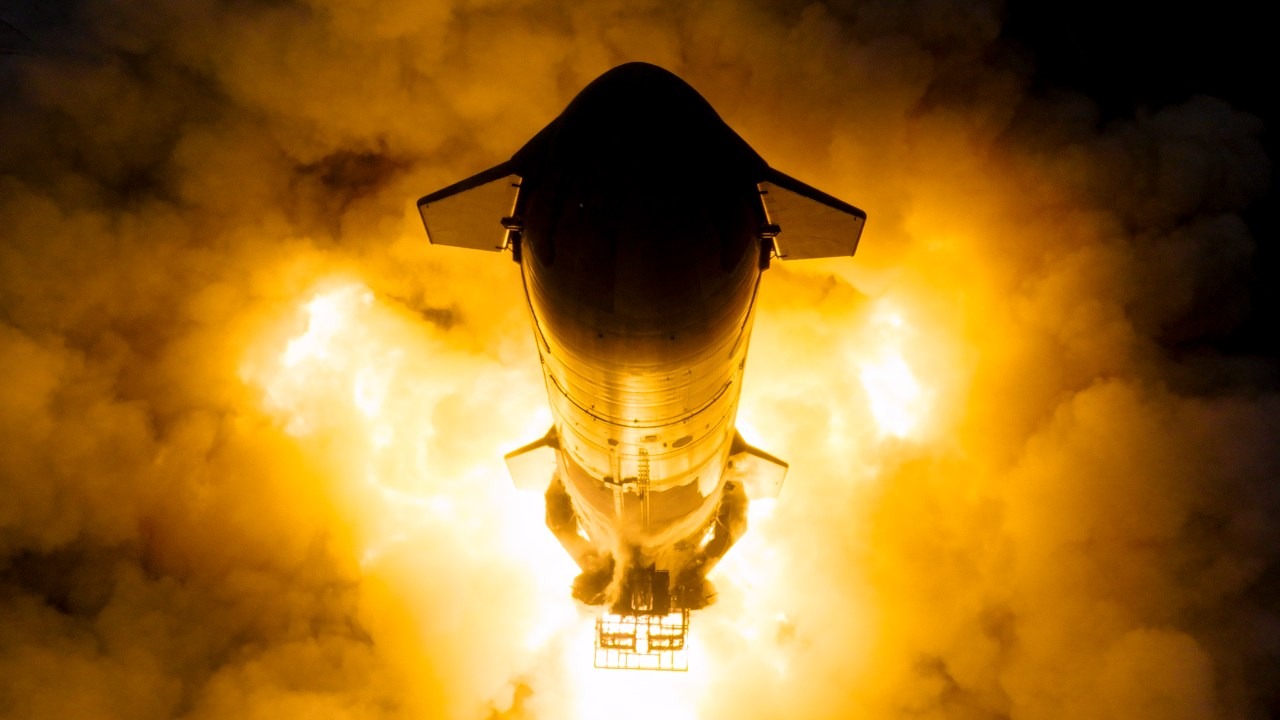
Musk has repeatedly complained that environmental impact studies, post-flight accident investigations, and license reviews required by the FAA have unnecessarily delayed testing of the super-heavy Starship rocket.
Starship is central to SpaceX’s long-term business model and a key component of NASA’s strategy to return astronauts to the surface of the Moon, establish a permanent settlement there, and ultimately send crewed missions to Mars.
Musk calls FAA oversight an obstacle to his company’s engineering culture, which is much more tolerant of risk than many traditional players in the aerospace industry. SpaceX’s flight test strategy is known for its focus on launching spacecraft prototypes as quickly as possible in order to obtain maximum data and make design changes in the shortest period of time. This often leads to accidents, which contradicts the FAA’s mission to protect the public and the environment, as it provides regulatory oversight of commercial space flights.
Earlier this year, the FAA suspended Starship test flights for nearly two months after debris from two crashes during launches entered the atmosphere over the Caribbean Sea, forcing dozens of airliners to change course. Ultimately, the FAA expanded the danger zone for aircraft along Starship’s launch trajectories before issuing licenses for future flights.
Environmental organizations, which have repeatedly criticized SpaceX for its environmental impact at Starship launch sites, have already criticized the order. In particular, the American non-profit organization Center for Biological Diversity stated that it “paves the way for the mass destruction of protected plants and animals.”
According to Reuters

