
The creators of science fiction films love to amaze viewers with various strange devices or technologies. Teleportation, faster-than-light travel, hibernation, artificial gravity – these are just a few of the most obvious examples. Unfortunately, many of these technologies currently seem impossible from the perspective of the laws of physics as we know them. Others seem achievable, but only in the distant future.
However, there are also reverse cases. Some devices imagined by sci-fi authors have already become reality. And just like with futuristic gadgets, digital tools are also evolving. Today, you can work with documents not only on a computer but also on a tablet or smartphone — thanks to modern solutions like UPDF, which combine PDF editing, file organization, and even AI-powered features.
The editors of Universe Space Tech have selected five technologies and devices from science fiction films that have either already entered or are gradually entering our everyday lives.
Mobile phones
The heroes of many science fiction novels and films used compact devices to stay in touch. A notable example is the communicators from the popular Star Trek franchise. They allowed the crew members of the Enterprise to communicate with one another and with other spacecraft. Losing, breaking, or going out of range of the communicator often created a difficult situation for the characters.
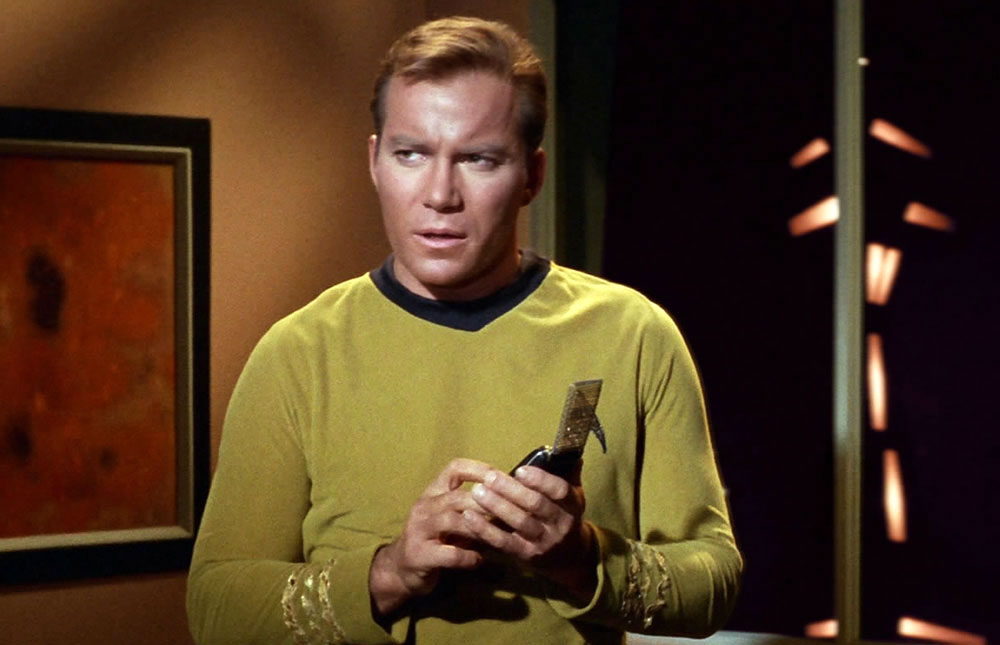
It is precisely the communicators from Star Trek that are often cited as one of the main sources of inspiration for mobile phone technology. The prototype of such a device was created by Motorola in 1973, eight years after the first episode of the series was released. We do not think we need to tell you what happened next. Interestingly, in some later episodes of Star Trek, the characters also used wrist communicators that closely resemble smartwatches.
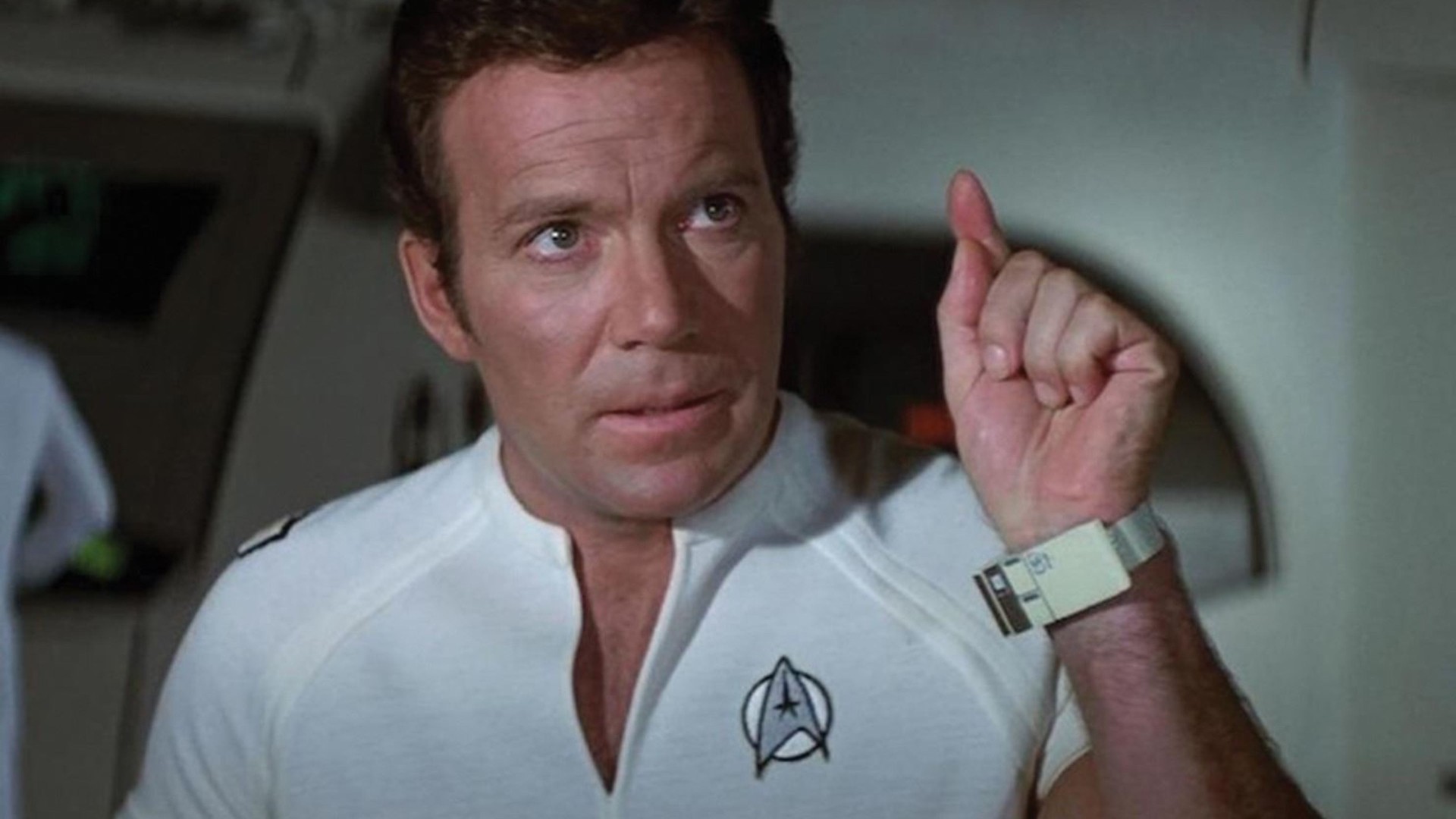
Of course, the communicators from Star Trek did not have many of the capabilities of modern smartphones. At the same time, in some respects, they are still unmatched. For example, communicators were not affected by electromagnetic interference and allowed users to contact subscribers on another planet almost instantly without any signal delay. So, manufacturers of modern gadgets definitely still have something to strive for.
Tablets
At the time, “2001: A Space Odyssey” amazed audiences with its grandiose vision of a high-tech future in which space stations orbited the Earth to classical music and humanity confidently conquered the far reaches of the solar system. Of course, half a century later, the authors’ vision seems overly optimistic, even naive. But some of what was shown in Stanley Kubrick’s film did come true. And one of the most surprising “hits” in reality was… the tablet.
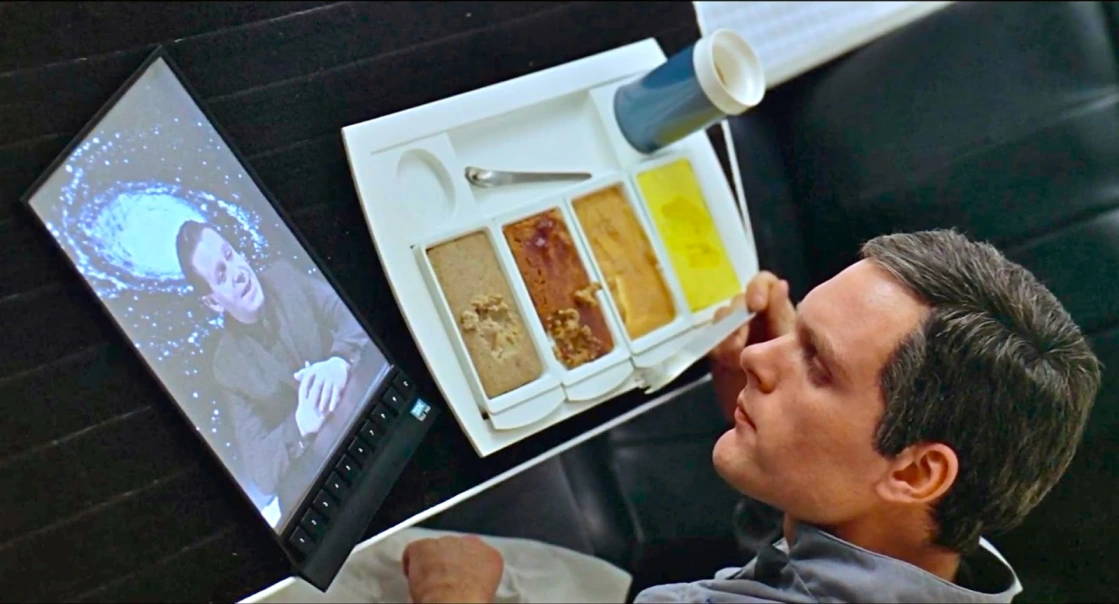
In one scene in the film, the crew members of the Discovery spacecraft watched the news on flat-screen devices that closely resembled modern tablets. Interestingly, the film’s script called for the New York Times logo and the newspaper’s digital front page to appear on the device displays, complete with several article headlines that could be opened with a touch. Had this scene been filmed, the creators of Space Odyssey would surely have been hailed as the people who predicted the internet. But even without it, the tablets in the 1968 movie look truly astonishing. And if they once seemed like pure fantasy, today their capabilities are part of everyday life. For instance, with Organize PDF, you can arrange your files on a tablet as easily as the characters of 2001: A Space Odyssey browsed the news.
Interestingly, when Samsung sued Apple in 2011 for patent infringement in the creation of tablet computers, its lawyers even included footage from “2001: A Space Odyssey” in the case. In this way, the Korean company tried to prove that its competitors did not actually come up with the design for their iPad, but simply “borrowed” it from Stanley Kubrick.
Bionic prostheses
All Star Wars fans surely remember the scene of Luke Skywalker’s battle with Darth Vader in The Empire Strikes Back, in which the young Jedi lost his arm. Fortunately for the hero, he later acquired a bionic prosthesis that completely replaced all the functions of his lost limb. Thanks to this, Luke Skywalker was able to once again skillfully wield his lightsaber in the sequel to the saga.
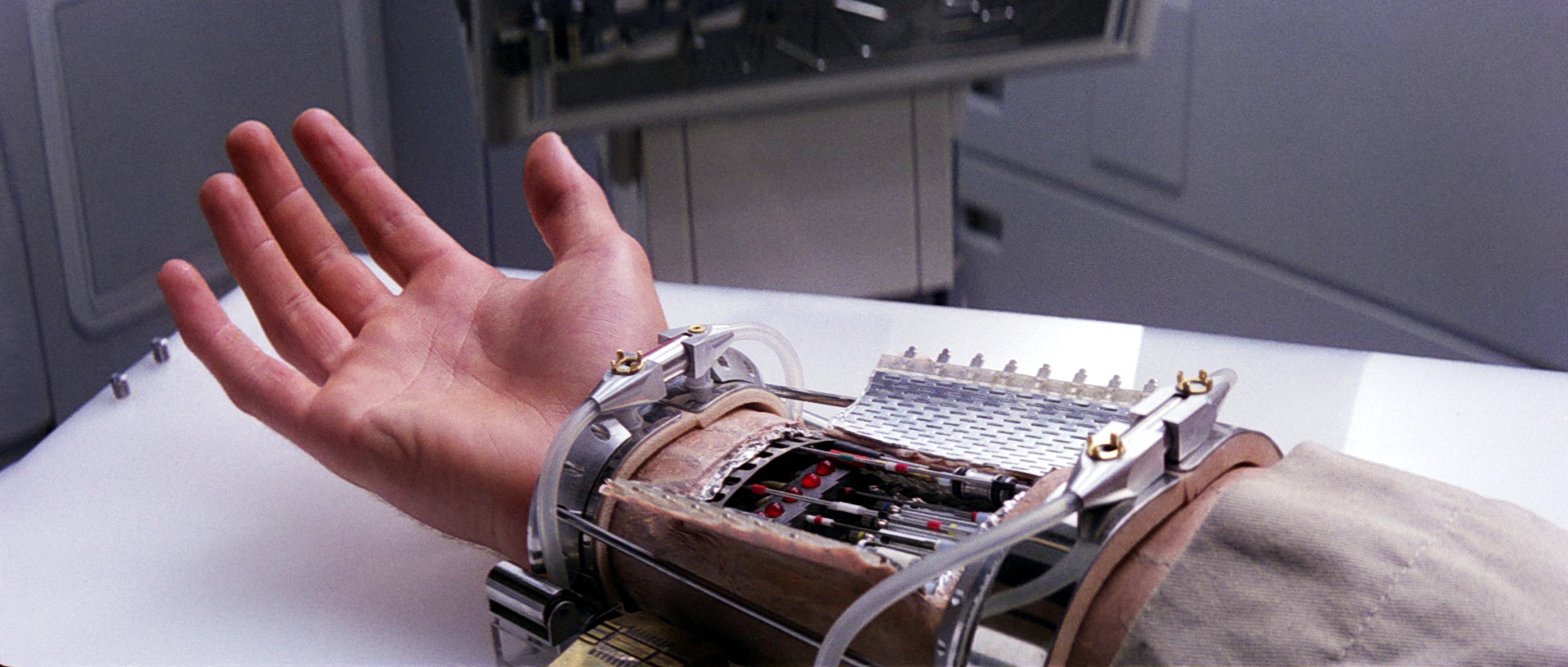
At the time of the film’s release, such a device seemed as fantastical as blasters or the Death Star. But much has changed in the forty years since. In 2016, Mobius Bionics began producing an innovative bionic prosthetic arm that gives users much greater freedom of movement than conventional prostheses. The device’s smart system reads muscle signals, allowing it to perform a variety of complex movements: using a screwdriver, brushing teeth, zipping up a zipper, holding both fragile and heavy objects, and putting an arm behind the back. The device has been named LUKE. The abbreviation stands for Life Under Kinetic Evolution, but it is also, of course, a reference to Luke Skywalker.
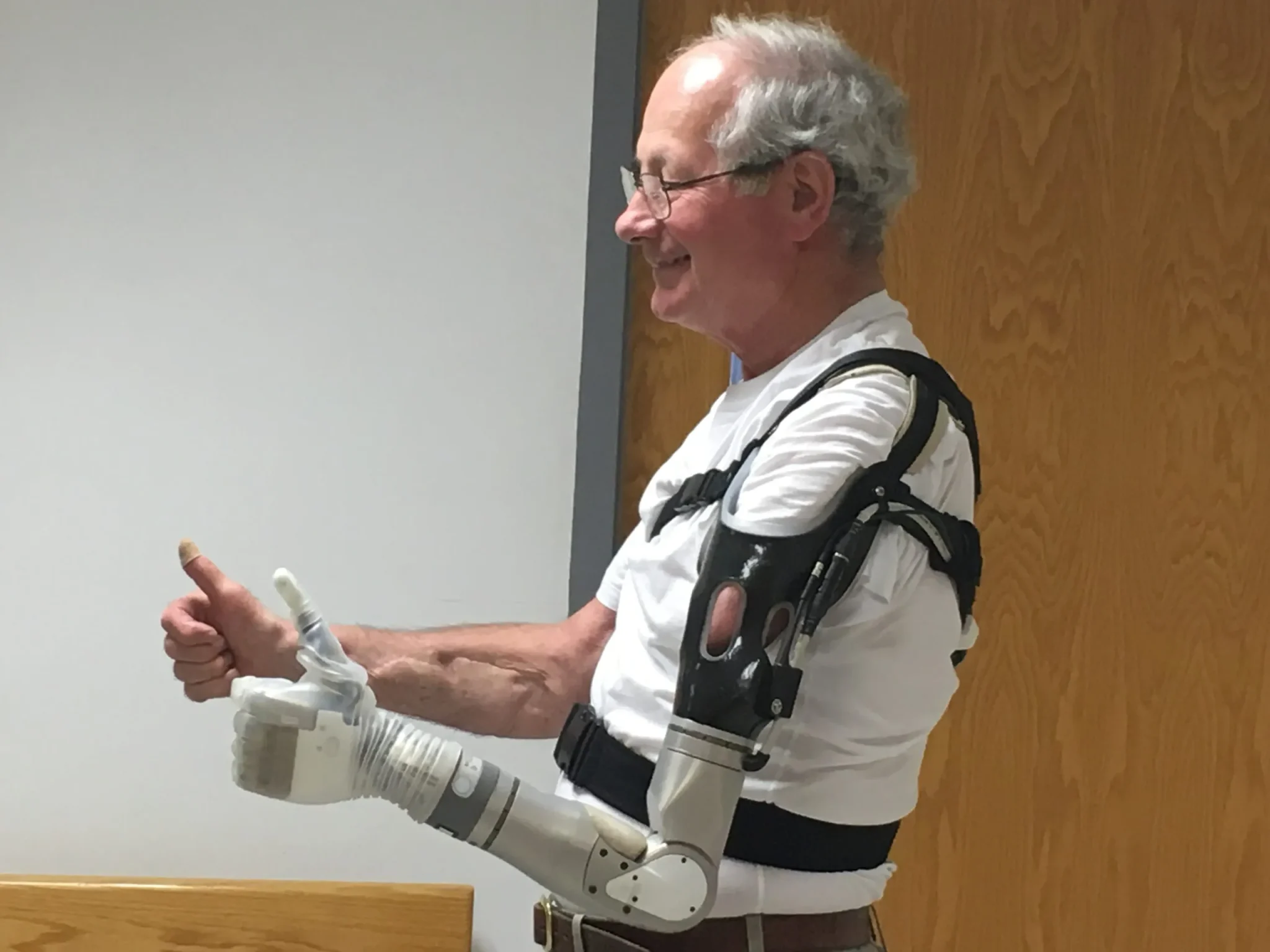
A few years later, LUKE underwent significant improvements and was equipped with a biological feedback system. With the help of electrodes implanted in peripheral nerves and muscles, the prosthesis user can now feel touch, vibration, and even pain. This has greatly simplified the use of the device. And just as bionics changes people’s lives, artificial intelligence transforms the way we work with documents: UPDF offers ChatGPT-4.1-powered tools that let you chat with PDFs and instantly extract the data you need.
Exoskeletons
Exoskeletons are as integral to modern science fiction as colonies on other planets. Examples of such devices can be found in numerous films, from Aliens to Edge of Tomorrow. But you do not have to buy a movie ticket to see an exoskeleton anymore – you can already find them in real life.
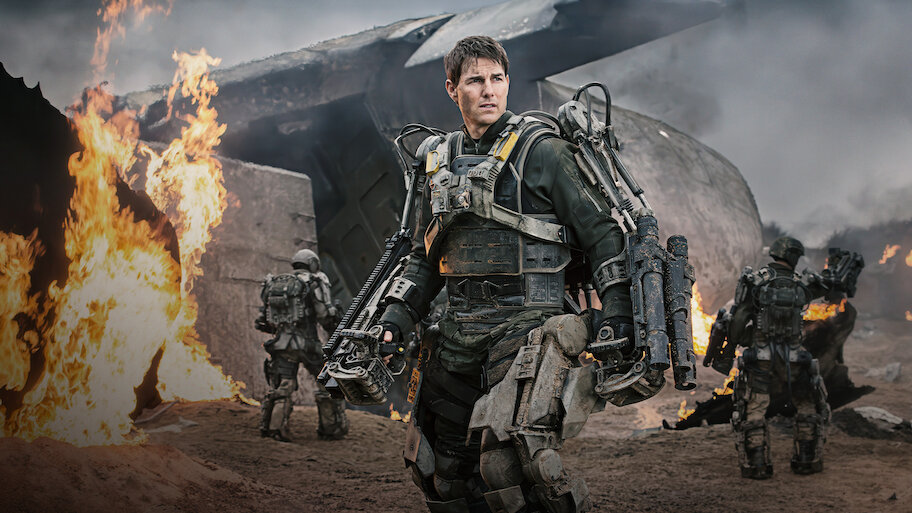
In recent years, various companies and inventors have introduced many different types of exoskeletons. Most of them only strengthen one part of the body, but there are also full-body suits. Some exoskeletons are designed to restore lost motor functions. Others can be used in construction and industrial work. Still others are designed for use by extreme athletes.
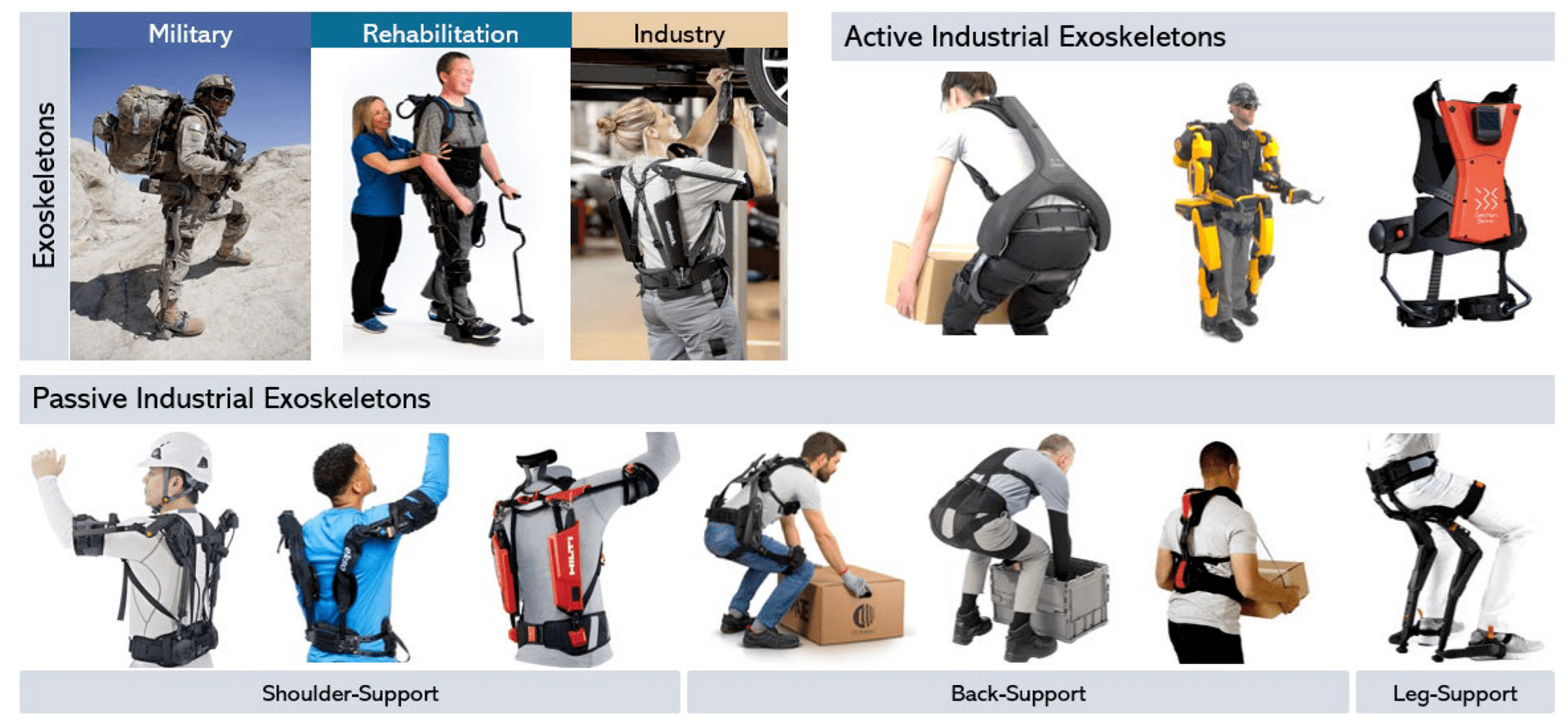
Of course, the military is also showing great interest in such developments. Yes, exoskeletons are not yet part of the standard equipment of any army in the world. But given the pace of technological progress, it cannot be ruled out that the image of a mobile infantryman clad in combat armor, described in Robert Heinlein’s famous novel Starship Troopers, will one day become a reality.
Deflection of hazardous asteroids
In 1998, two films were released simultaneously, both depicting NASA’s attempts to save Earth from an uninvited visitor from space. Despite their different tones, at the time, the plots of both Armageddon and Deep Impact seemed like pure fantasy, as humanity had no way of deflecting a dangerous asteroid from Earth.
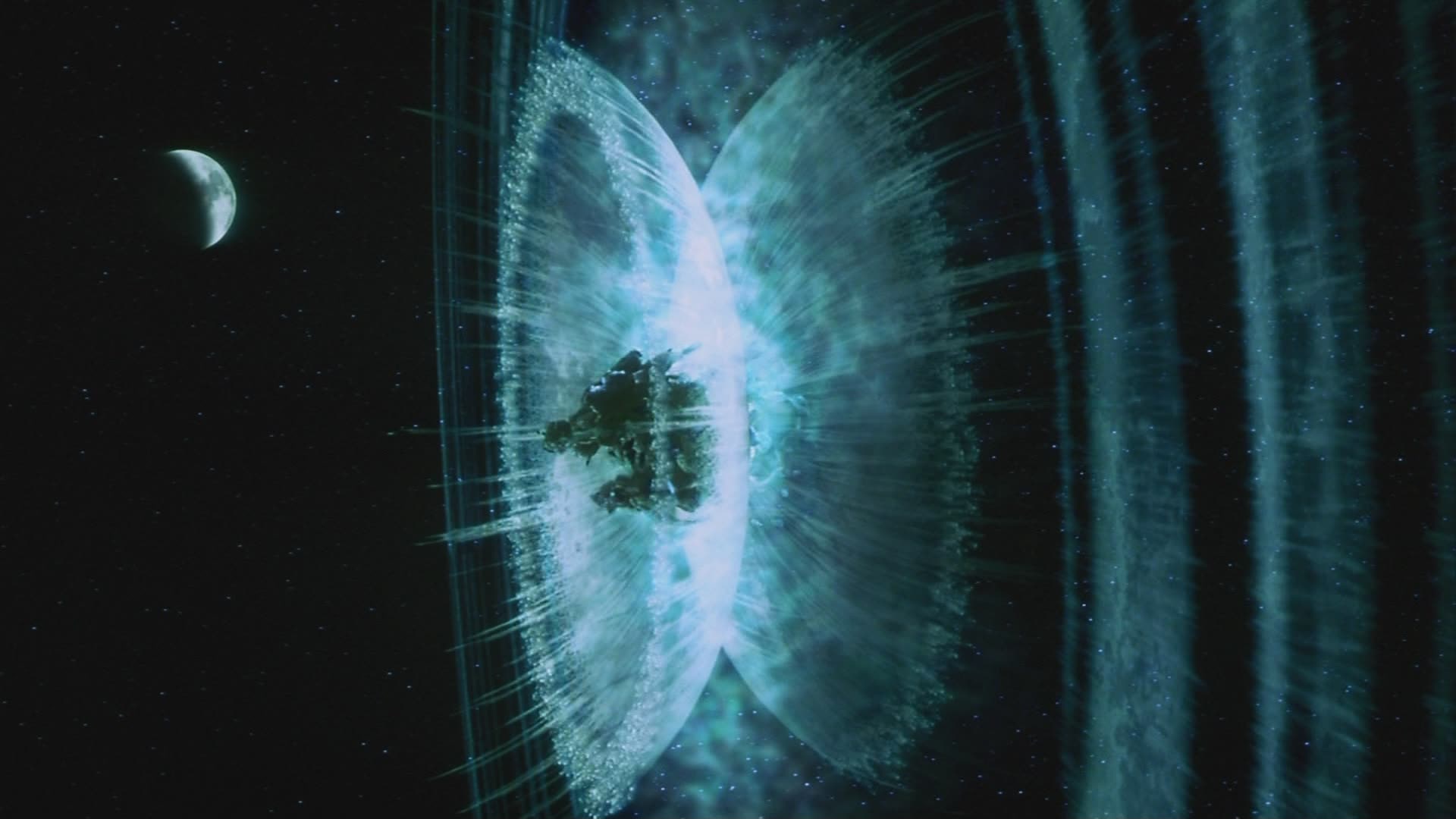
And now, a quarter of a century later, NASA has taken the first step toward creating such technology. In November 2021, a Falcon 9 rocket launched the DART probe into space. Its target was the 160-meter asteroid Dimorphos, a satellite of the larger object Didymos (65803 Didymos). On September 26, 2022, DART crashed into this object at a speed of 6.6 km/s.
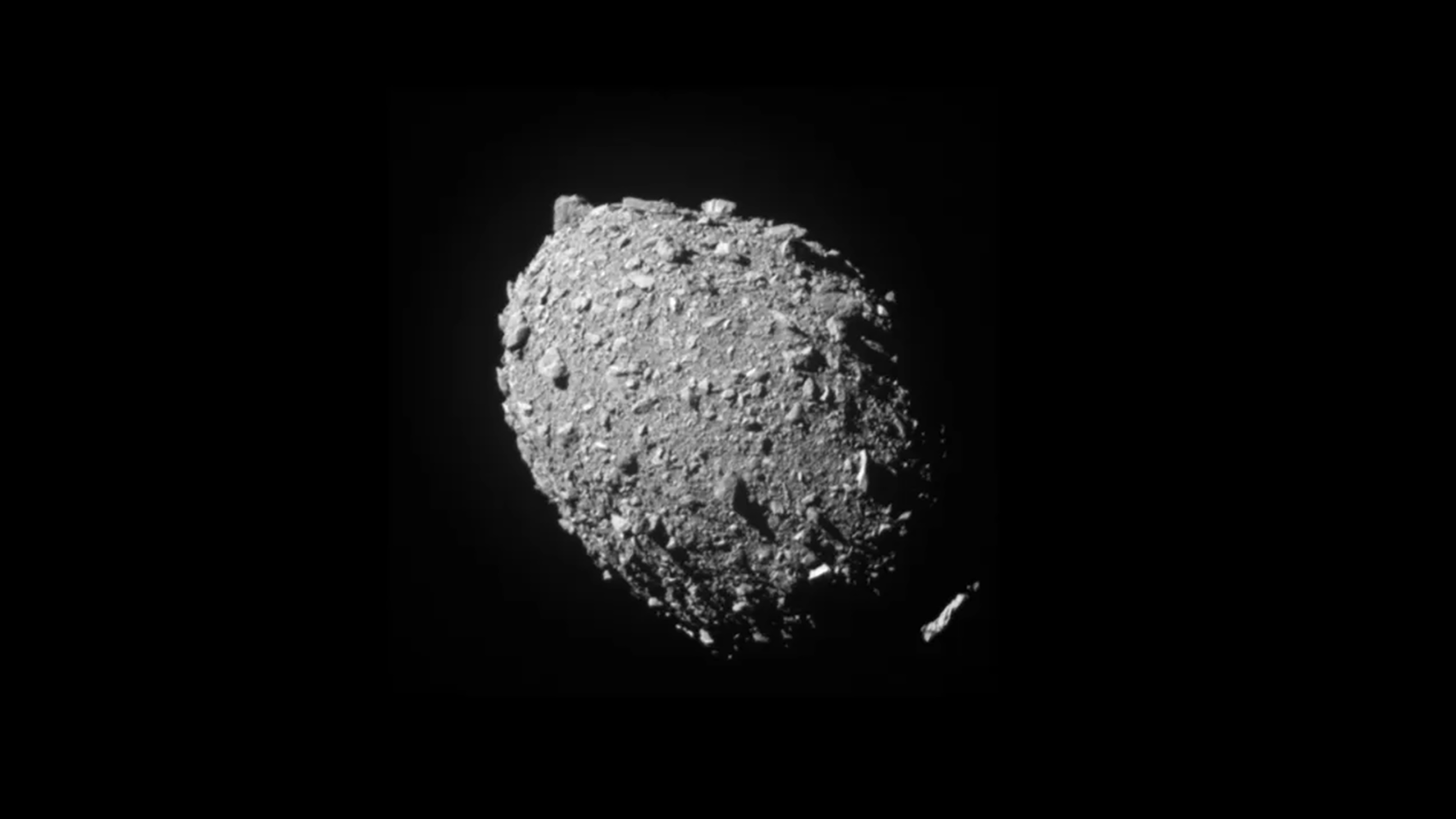
The consequences of the collision far exceeded scientists’ expectations. According to the most conservative estimates, the impact knocked at least a thousand tons of material off the asteroid’s surface, changing its shape. It also left a long dust trail (which later split in two) stretching 10,000 km.
In addition, the impact significantly altered Dimorphos’ orbital parameters. Before the impact, its orbital period around Didymos was 11 hours and 55 minutes. After the impact, it decreased to 11 hours and 22 minutes. The distance between the two asteroids also changed, decreasing by 37 meters.
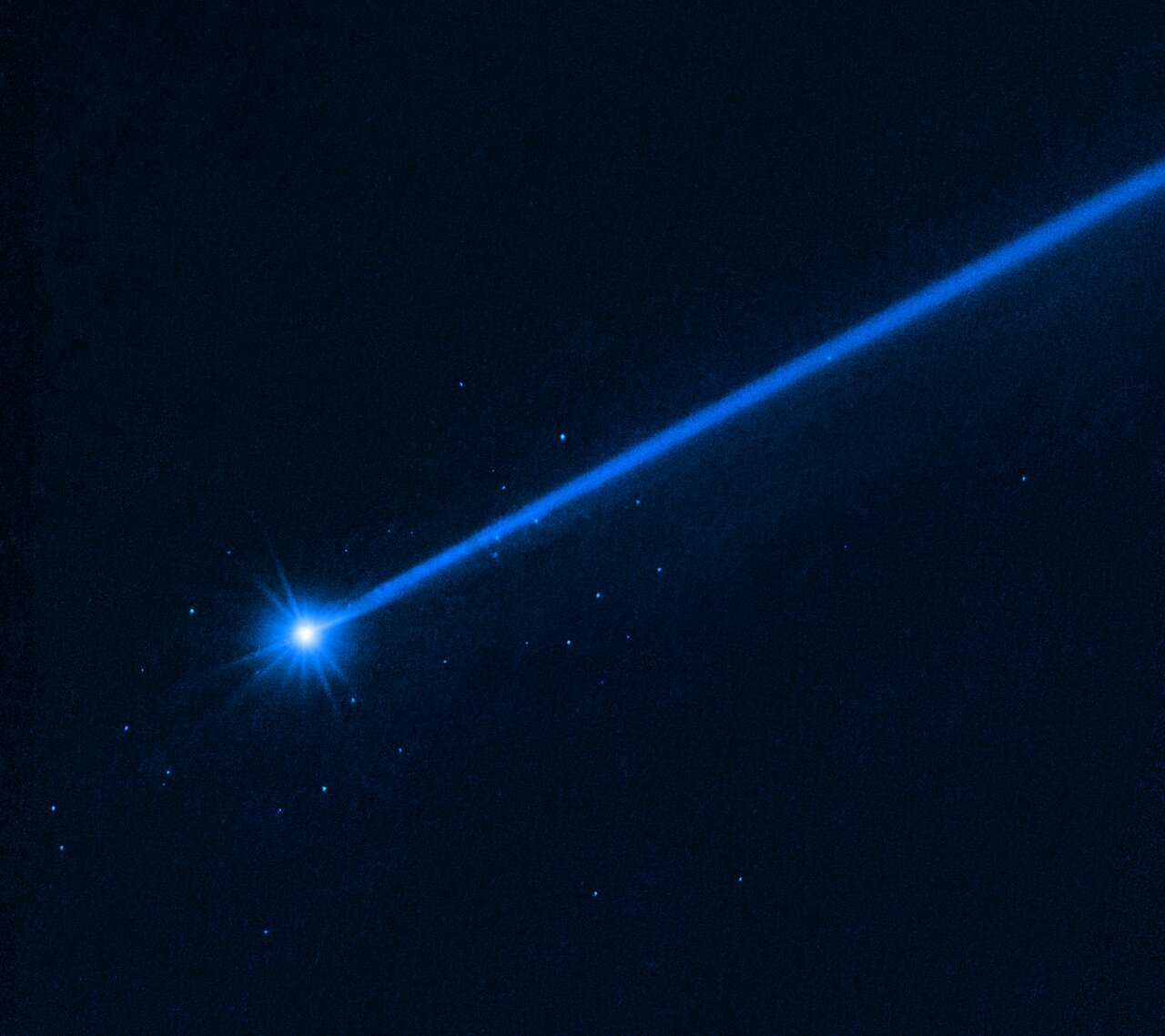
Source: NASA/ESA/STScI/Hubble
Bombing an asteroid is not just fun and games for NASA. It will allow them to test methods for changing the orbit of a potentially dangerous asteroid in practice. Yes, it may not look as spectacular as Bruce Willis’ heroic self-sacrifice. But who knows? It is quite possible that one fine day, this technology will actually save our planet from danger from space.
Modern Tools for PDF Work
Science fiction is becoming reality not only in space but also in our digital lives. UPDF offers unique advantages:
- Works on Windows, Mac, iOS, and Android with one account across 4 devices.
- Full editing suite including OCR and AI chat with documents.
- Lifetime free upgrades.
- 6x cheaper than Acrobat.
- Monthly updates, 24/6 support, and a 30-day money-back guarantee.
Special offer: Get UPDF with 38% Off for individual

