

Engineers from the University of Wisconsin-Madison have discovered a significant error in the method for testing Mars rovers on Earth. In particular, during testing, only the weight of the vehicle was taken into account, but not the effect of Earth’s gravity on the sand it was moving across. Because of this, the test results were overly optimistic and did not fully correspond to the actual conditions on the Moon or Mars.
At first glance, this may seem trivial. However, real events on Mars have already shown the consequences of such underestimation. For example, when NASA’s Spirit rover got stuck in the ground in 2009 and was unable to get out, it was considered simply an accident. But new research shows that such “misfortunes” could have been the result of a single key mistake in the engineering approach, which remained unnoticed for decades.
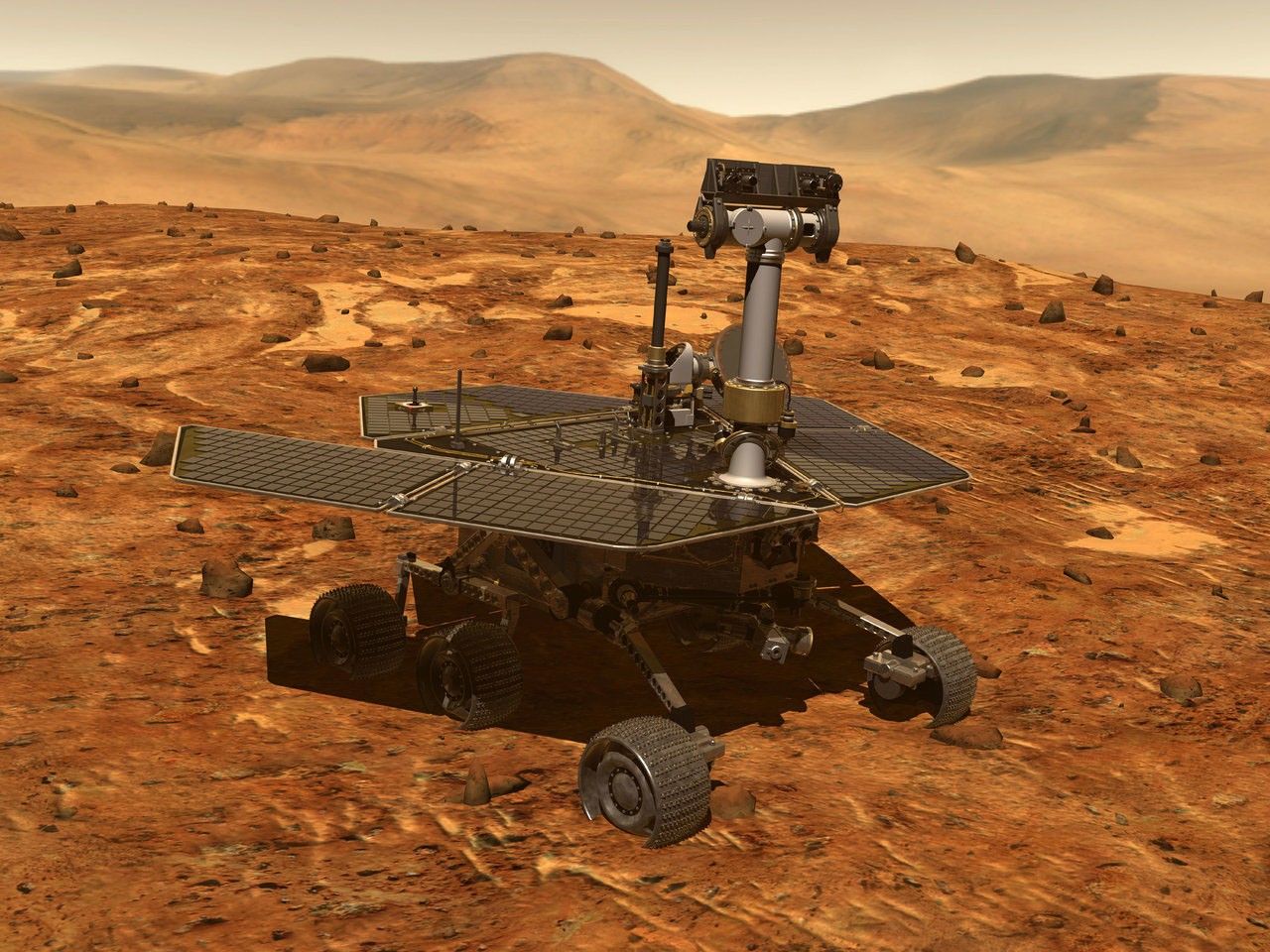
During ground tests, researchers reduced the weight of the device to simulate the weaker gravity of the Moon or Mars. However, they did not take into account the effect of Earth’s gravity on the surface itself, particularly on the sand and dust that cover the soil.
“Looking back, the idea is simple: we need to take into account not only the gravitational pull of the rover, but also the effect of gravity on the sand,” explained Professor Dan Negrut, author of the study.
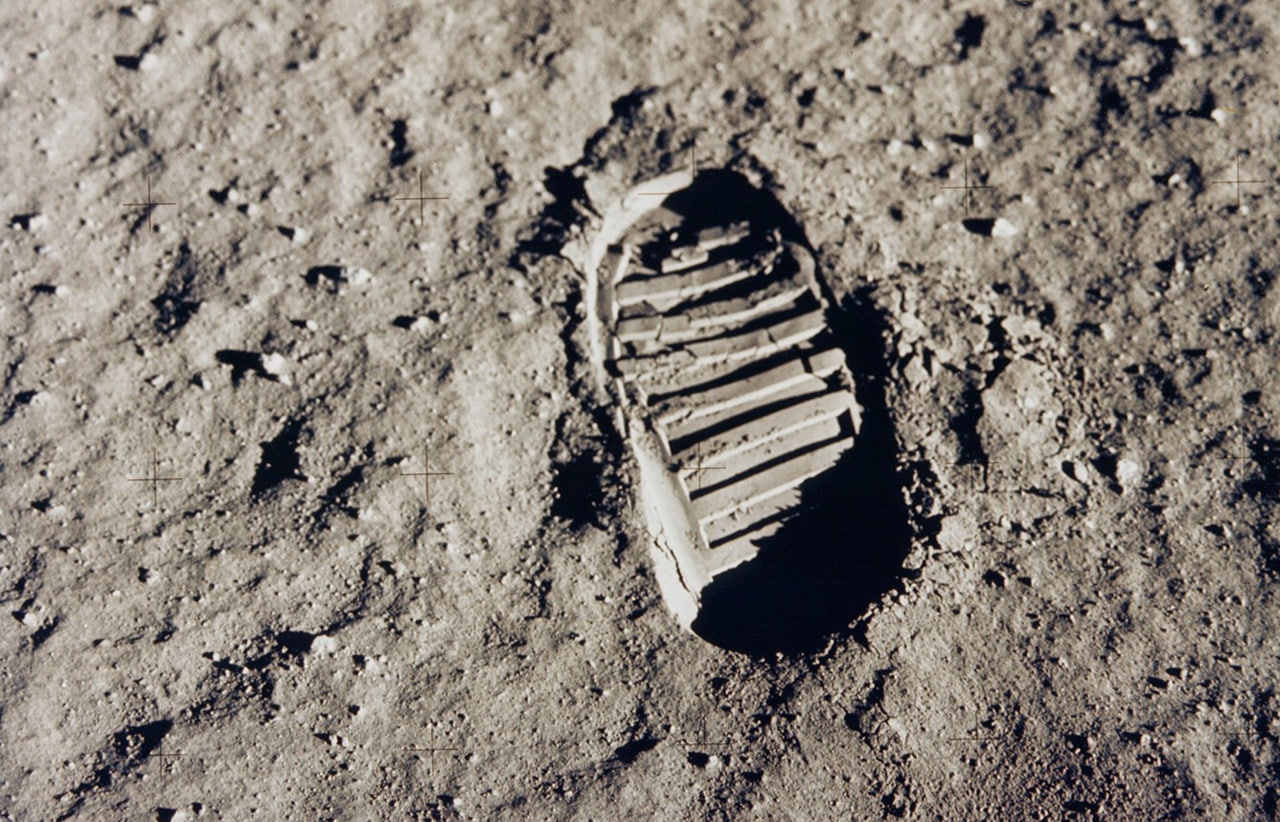
On Earth, sand is significantly denser and harder than it is under real conditions on the Moon. There, it is loose, similar to light dust, and does not provide reliable traction for the wheels. This radically changes the actual driving conditions.
To test their assumptions, the team used the powerful Chrono physical simulation system, developed at the same university in collaboration with international partners. It was during virtual testing of the future VIPER lunar rover that researchers noticed strange discrepancies between the results of ground tests and the simulation of the vehicle’s behavior on the Moon.
“Our findings underscore the value of physical modeling, especially when it comes to rover performance on granular surfaces,” Negrut added.
This discovery is not just an interesting technical detail. It could radically change the approach to testing Mars rovers and make future missions much more efficient. After all, even a minor mistake in space can have serious consequences.

