

The first commercial orbital station in history, Haven-1, has successfully passed pressure testing. Vast announced this on social media platform X.
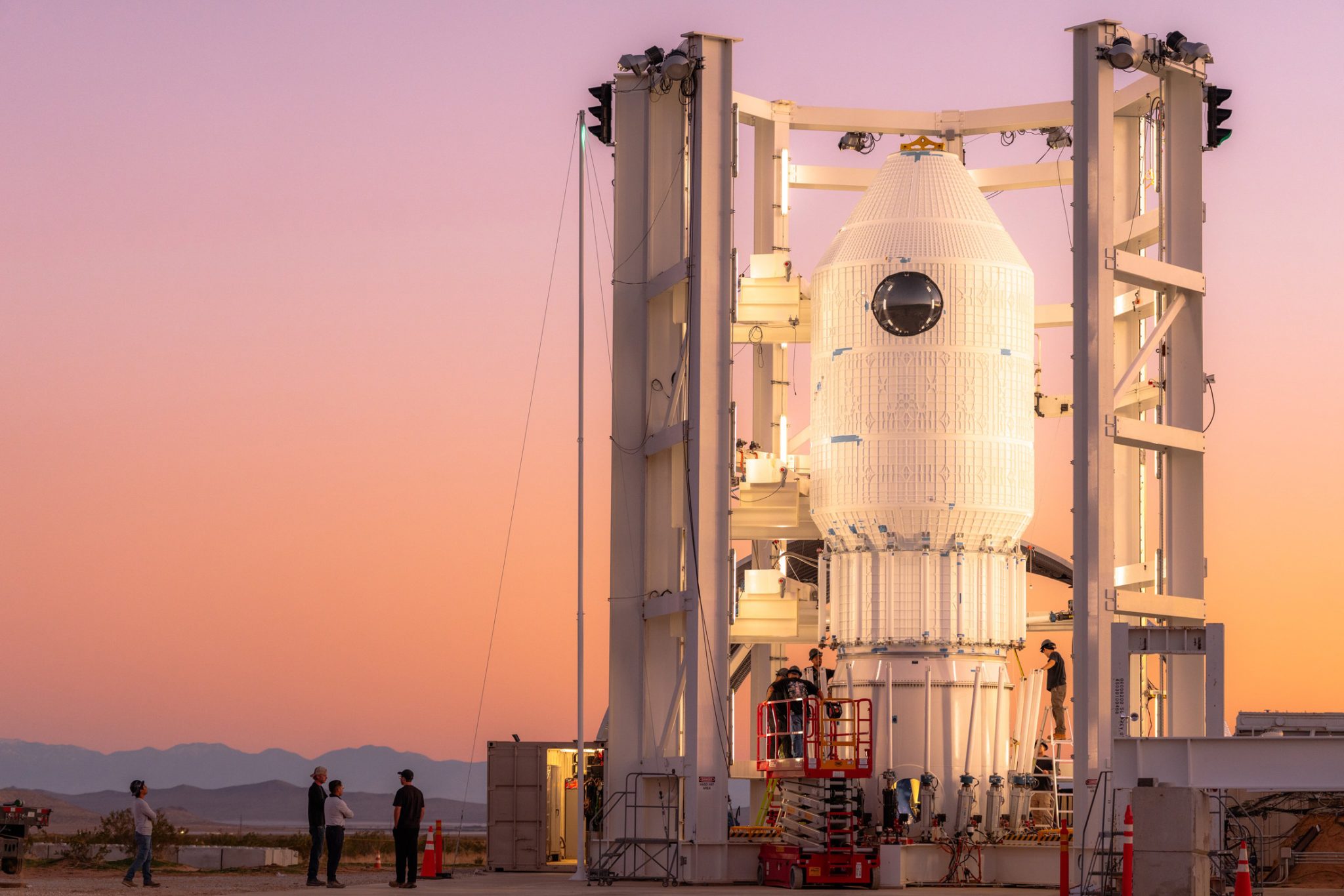
Vast first announced its plans to build Haven-1 in 2023. Its main difference from similar commercial orbital station projects, which never moved beyond the drawing board, is its relative simplicity. While other companies typically announce complex multi-module orbital stations, Haven-1 will consist of just one 14-ton compartment with an internal volume of 80 m³, not designed for permanent human habitation.
The Haven-1 station will rely on the Crew Dragon spacecraft’s life support system and will be able to accommodate four astronauts for 30 days. It will house 10 racks for scientific equipment. Vast Space has already signed a number of contracts with various private companies to host their instruments and conduct experiments.
At present, the station is scheduled to launch in 2026, and Vast engineers are actively preparing for it. In May, together with NASA specialists, they tested the station’s filter system. In early October, welding of the main body of Haven-1 was completed.
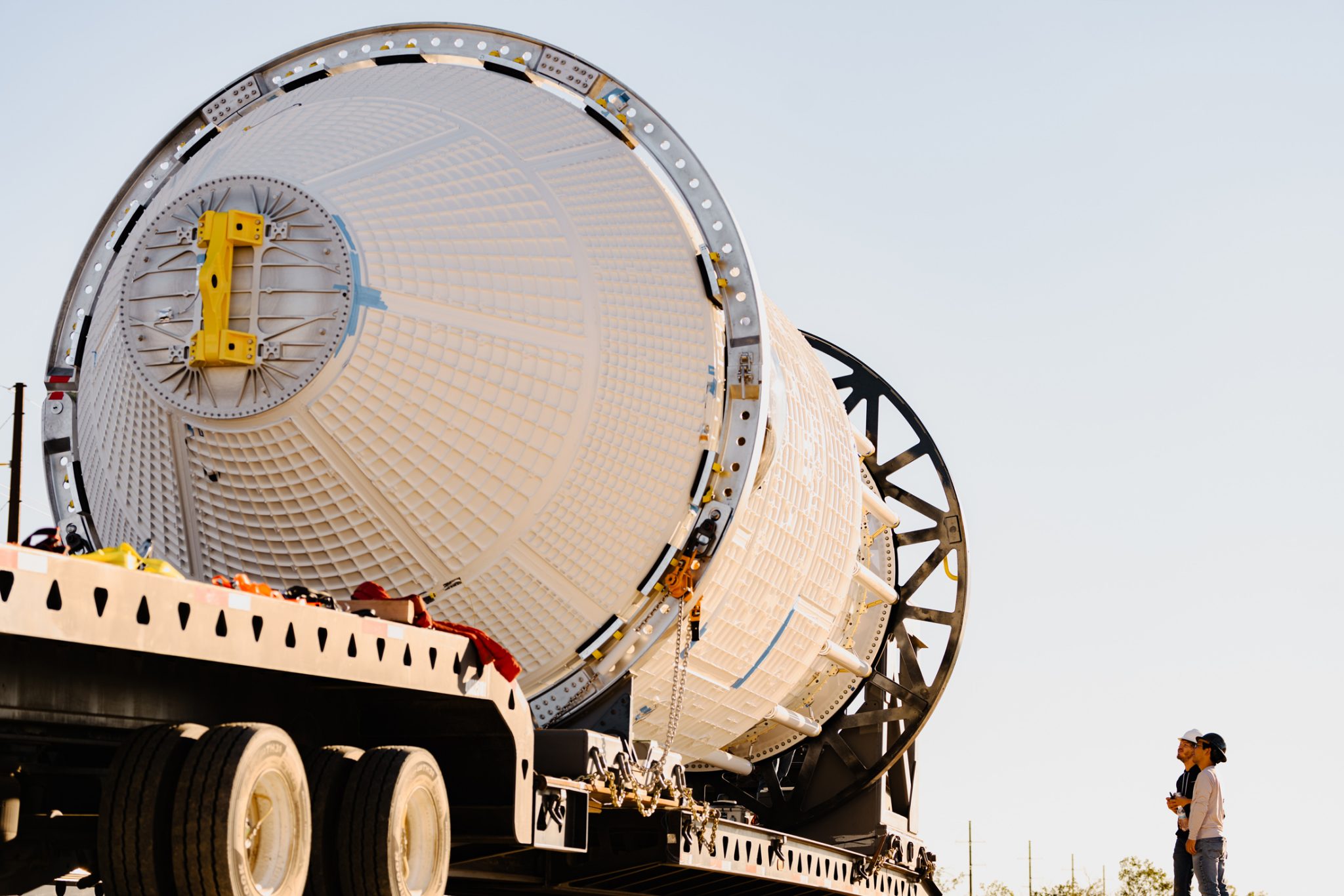
The next stage involved pressure and load tests. These were conducted at the Mojave test site and were successful. Vast now plans to conduct a final inspection of the welds and integration of the station in the company’s clean room. After that, Haven-1 will be delivered to the Neil Armstrong Test Center, where it will undergo a series of thermal vacuum, acoustic, vibration, and other tests. These tests are necessary to ensure that the station is capable of withstanding exposure to outer space.
Once Haven-1 is in space, Vast will send up to four short-term manned missions to it on Crew Dragon spacecraft. The experience gained in building and operating the station will be used in the design of the much larger multi-module Haven-2 station. Vast intends to submit its project to NASA for the CLD (Commercial Low Earth Orbit Destinations) program. Its goal is to promote the development of private stations that will replace the ISS.

