

With the help of amateur astronomers, scientists tracked an asteroid that disintegrated in Earth’s atmosphere. An article about this research was published in the journal Nature Astronomy.
To date, astronomers have managed to find only 11 asteroids before they collided with Earth. Only four of them were subsequently found to have left debris.
Recently, a new celestial body was added to this list. We are talking about asteroid 2023 CX1, which had a diameter of less than a meter and a mass of about 650 kg. It was discovered by a Hungarian astronomer on February 13, 2023. Calculations showed that in just seven hours, the object would enter Earth’s atmosphere.
In the hours that followed, scientists from NASA and ESA were able to calculate the location and time of the asteroid’s impact with unprecedented accuracy. Observatories around the world then joined forces to study all aspects of its flight using various scientific instruments. Among them were both professional researchers and amateurs from the French network FRIPON/Vigie-Ciel, which was created about ten years ago with the aim of detecting and collecting meteorites.
This resulted in dozens of photographs and video recordings of the asteroid, allowing its journey through Earth’s atmosphere to be observed with unparalleled accuracy, including the moment it broke apart into fragments.
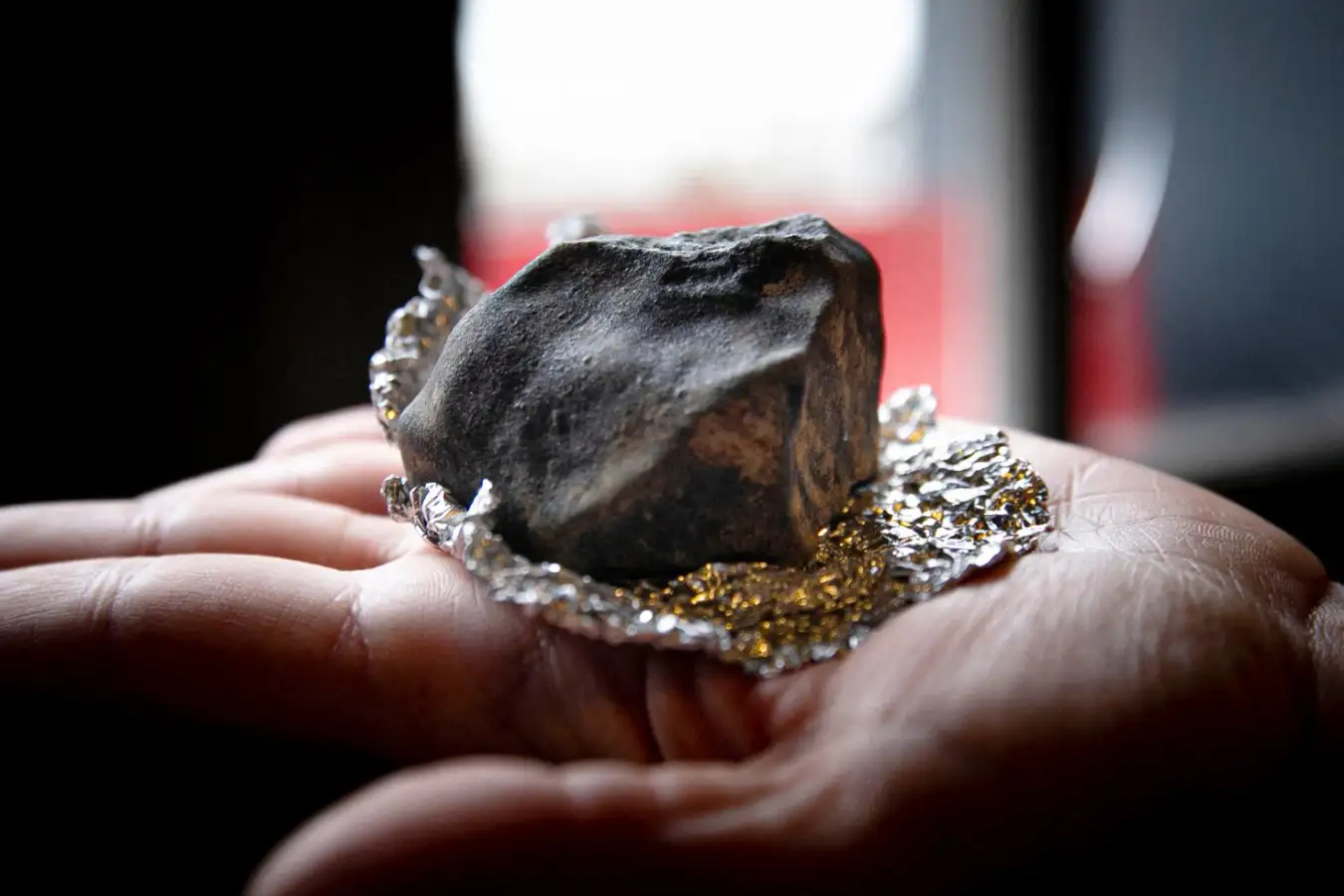
Two days later, the first fragment, weighing 93 grams, was found in the commune of Saint-Pierre-le-Vigeois in northwestern France. Over the following days, about a dozen meteorites were collected and added to the local museum’s collection.
Later, scientists determined that 2023 CX1 probably broke off from a larger rock belonging to the Massilia asteroid family. When it entered Earth’s atmosphere, it broke into two pieces at an altitude of about 28 km. During this process, the asteroid lost 98% of its mass and released a huge amount of energy. None of the debris that reached the surface caused any damage.
Provided by: Phys.org

