

NASA’s Voyager 1 spacecraft, launched in 1977, continues to operate and set records. It is already the first man-made object to reach interstellar space and is currently the furthest spacecraft from Earth. But at the end of 2026, it will reach a new milestone: traveling one light-day away from our planet.
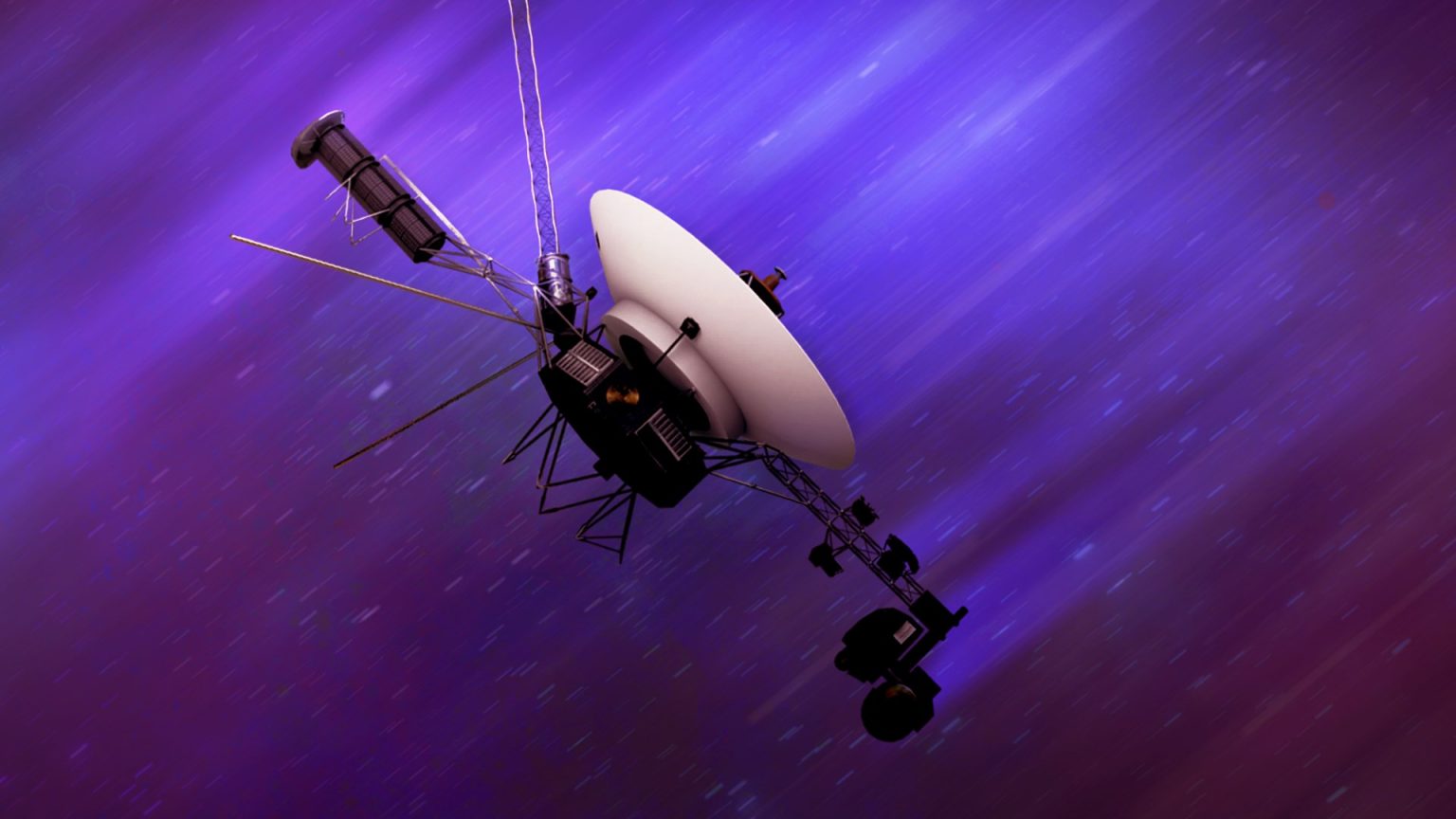
One light day is the distance that light or a radio signal travels in 24 hours. Voyager 1 is currently more than 25 billion km away, and a signal from Earth takes almost 23.5 hours to reach it. According to NASA calculations, in a year, on November 15, 2026, the spacecraft will reach a distance of 25.9 billion km. At that point, each transmission from our antennas will take exactly 24 hours to reach it.
Unique mission and challenges
Voyager 1 and Voyager 2 are the longest-running missions in NASA history. It is remarkable that their equipment has millions of times less memory and computing power than modern smartphones. However, outdated electronics do not prevent them from continuing to help science. It was Voyager 1 that took the iconic photo of Earth – “Pale Blue Dot” – showing our planet as a tiny speck in the vastness of space.
But at such great distances, communication with the spacecraft becomes increasingly difficult. It takes a whole day for a command from Earth to reach it, and another day for the response to return. Its nuclear power source will only last for a few more years. But even when the Voyagers fall silent, they will forever remain humanity’s first messengers in interstellar space.
Earlier, we reported on how NASA named this year the “death” of the Voyager probes.
According to Interesting Engineering

