

NASA and Boeing have reached an agreement on the next flight of the CST-100 Starliner spacecraft. It will be unmanned. Only cargo for the ISS crew will be on board the spacecraft.
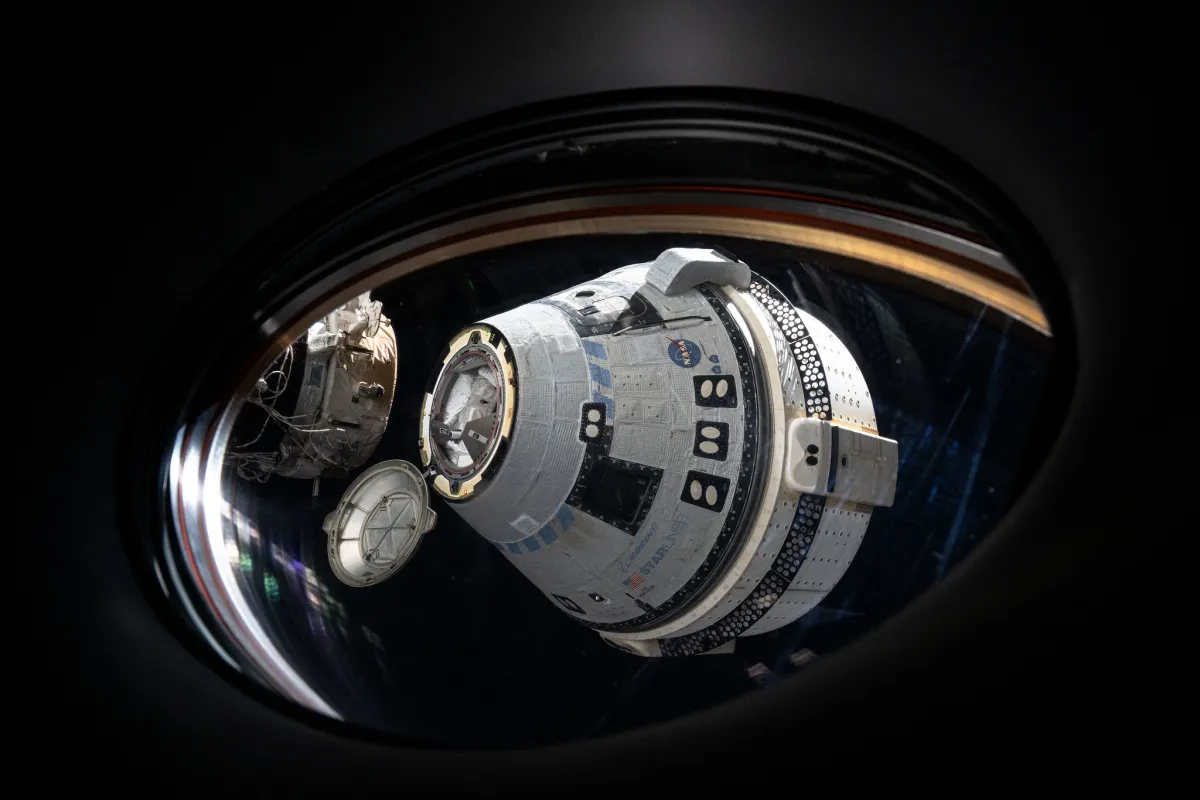
In 2014, NASA signed a contract with Boeing for commercial transportation of crews to the ISS using the Starliner spacecraft. Under the agreement, the company was granted the right to carry out up to six manned missions to the orbital complex.
However, these plans never came to realization due to persistent technical issues with the spacecraft. Starliner’s first unmanned mission in 2019 ended prematurely because the spacecraft consumed too much fuel and was unable to dock with the ISS. The second unmanned mission was postponed for almost a year due to a fuel leak, which forced Boeing engineers to completely replace the spacecraft’s service module. As a result, the flight did not take place until May 2022.
The first manned Starliner mission took place only in June 2024. The spacecraft docked with the ISS. However, due to engine problems that arose during the flight, NASA did not risk using Starliner to return people to Earth. As a result, the spacecraft landed in unmanned mode, and astronauts Barry Wilmore and Sunita Williams returned to Earth only the following year aboard the Crew Dragon spacecraft.
This fiasco raised legitimate questions about the future of the spacecraft, especially in light of the imminent end of the ISS’s operational life. As a result, NASA and Boeing agreed to amend the original contract. NASA’s order was adjusted to four missions, with the remaining two becoming optional. The next Starliner flight (Starliner-1 mission) will again be unmanned. The spacecraft will deliver cargo for the ISS crew to the ISS. The flight will take place no earlier than April 2026.
“NASA and Boeing continue to thoroughly test the Starliner propulsion system in preparation for two potential flights next year,” said Steve Stich, manager of NASA’s Commercial Crew Program. “This modification allows NASA and Boeing to focus on safely certifying the system in 2026, conducting the first Starliner crew rotation when it is ready, and aligning our current flight planning for future Starliner missions with the station’s operational needs through 2030.”

