
More than 50 years ago, the Apollo 17 astronauts made the last lunar landing. They returned to Earth not only with unforgettable impressions, but also with a priceless cargo — more than 2,000 samples of lunar rocks. NASA carefully packed and preserved some of these treasures for the future, assuming that advanced technology would better reveal their secrets. And now, half a century later, that hope has been fulfilled.
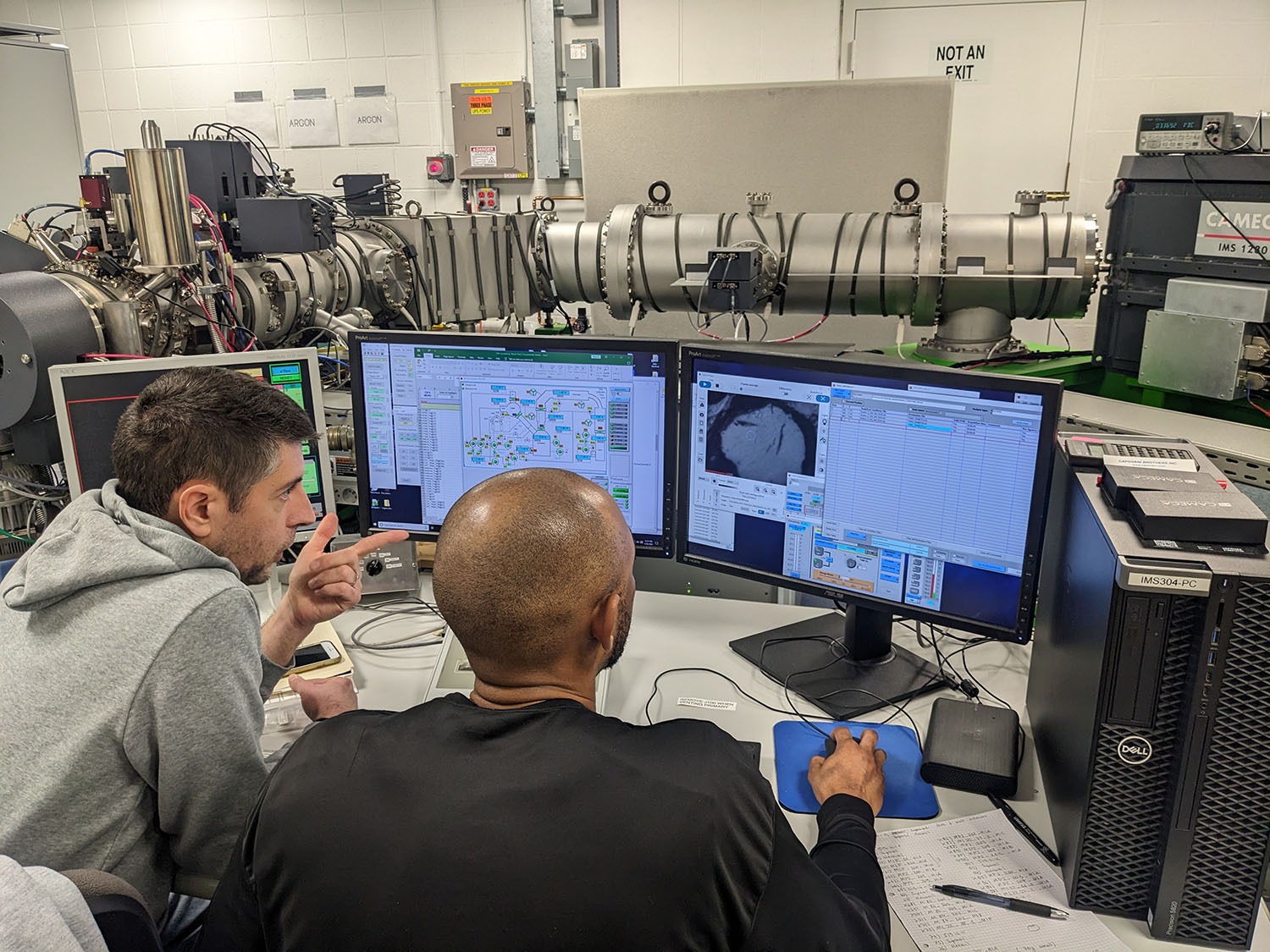
The breakthrough was achieved thanks to the work of a team led by James Dottin from Brown University. Scientists gained access to one of the unique preserved samples — a soil column extracted from the Taurus Littrow lunar valley. Instead of the methods used in the 1970s, they used modern secondary ion mass spectrometry, a technology that allows the ratio of isotopes, a kind of “chemical fingerprint” of substances, to be measured with incredible accuracy.
The aim of the study was sulfur in volcanic rocks originating from the mantle of the Moon. For a long time, science believed that the composition of our moon’s mantle was practically identical to that of Earth, which was indicated, in particular, by analyses of oxygen isotopes. Dottin expected to see the same picture with sulfur.
However, the results published in the journal JGR Planets proved to be sensational. Analysis showed that the sulfur-33 (33S) isotope content in lunar rocks differs sharply from any terrestrial samples. “My first thought was, ‘Oh my God, this can’t be true,’” Dottin admitted.
What does this mean for science?
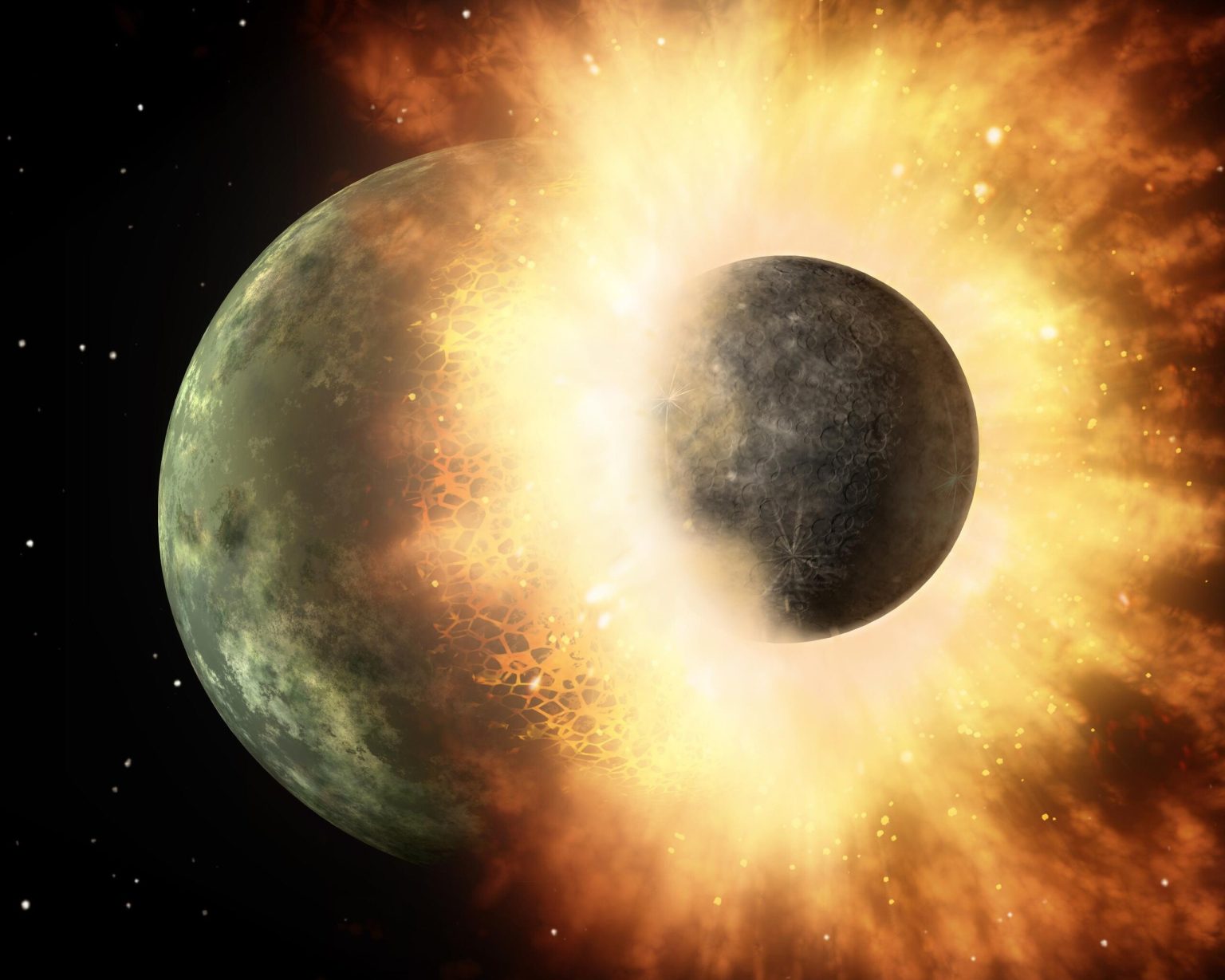
This discrepancy is not just an interesting fact. It indicates different origins or different chemical processes that occurred in the early stages of the formation of the Earth and the Moon. The most common theory is that the Moon was formed from debris after a giant collision between Earth and an object the size of Mars, known as Theia.
The discovery of Dottin’s team may be the first direct “trace” of Theia. Scientists may have discovered the very sulfur that was once part of the mysterious protoplanet. This opens up new horizons for understanding the greatest space catastrophe in the history of our planet.
Further study of sulfur isotope “fingerprints” on Mars and other objects in the Solar System will help paint a complete picture of how the chaos formed into the eight planets known to us today.
Earlier, we reported on what humanity learned thanks to the Apollo 17 expedition.
According to brown.edu

