

May 7 marks International Planetarium Day. These are among the most incredible science education institutions a person can visit. The artificial starry sky moves smoothly, demonstrating the cycle of day and night, summer and winter, or the movement of the planets. Behind all this lie incredible technical devices and a tradition of popularizing science that has spanned the centuries.
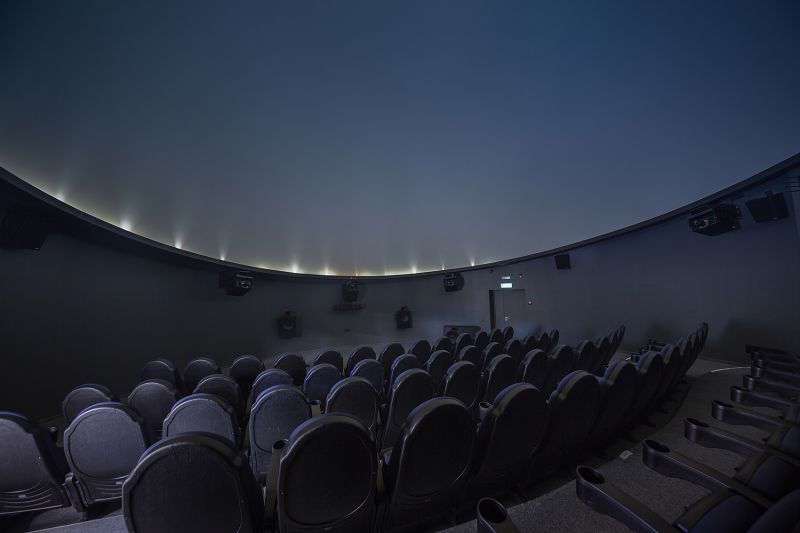
What is a planetarium?
As of 2026, there are about 3,000 planetariums worldwide. If you live in a big city, there is almost certainly a planetarium somewhere in it. And if not, the nearest one is still not that far away.
Planetariums are usually grouped in the same category as zoos and museums. They are places that people often visit with their children to learn something new about our world. And they often do not dwell on the technology behind these institutions or the long tradition of their creation.
It is worth starting with the question: why create an artificial starry sky at all, when anyone can step outside at night and see the real one? The fact is that not everyone who looks at the stars is able to understand exactly what they are seeing and the processes behind it. Moreover, it takes far too much time spent observing to grasp through personal experience how the celestial sphere works.
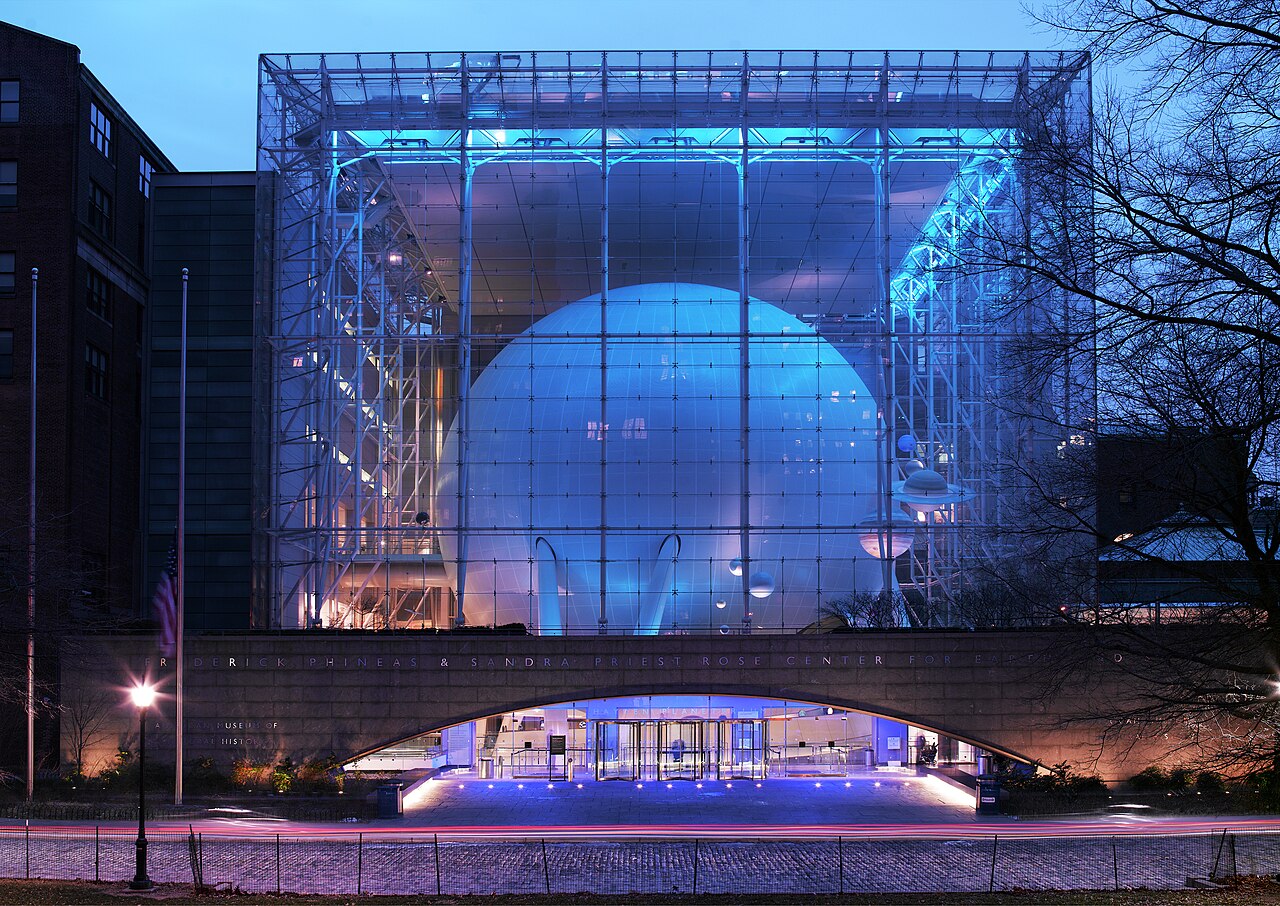
And since the real sky is unforgiving to the observer, we need to create a convenient artificial model. Many people have probably heard that the word “planetarium” refers first and foremost to a device for displaying the starry sky, and only secondarily to the building that houses it.
Well, originally, the term “planetarium” referred to a completely different device that demonstrated the motion of the planets rather than the stars, as implied by its name. The idea for such a system originated with the ancient Greek scientist Archimedes, when he was thinking about how to visually explain to ordinary people how the universe beyond Earth works.
Conceptions of this at the time were far more modest than today’s and somewhat inaccurate, but even a very simple model that reproduced the motion of the Sun and the planets around the Earth in exact accordance with the observations of the time required the most complex system of gears and gearwheels available at the time.
One such device was discovered in 1901 near the island of Antikythera, and it represents the state-of-the-art technology of its time. In a sense, the need to understand the cosmos led to the development of precision mechanics.
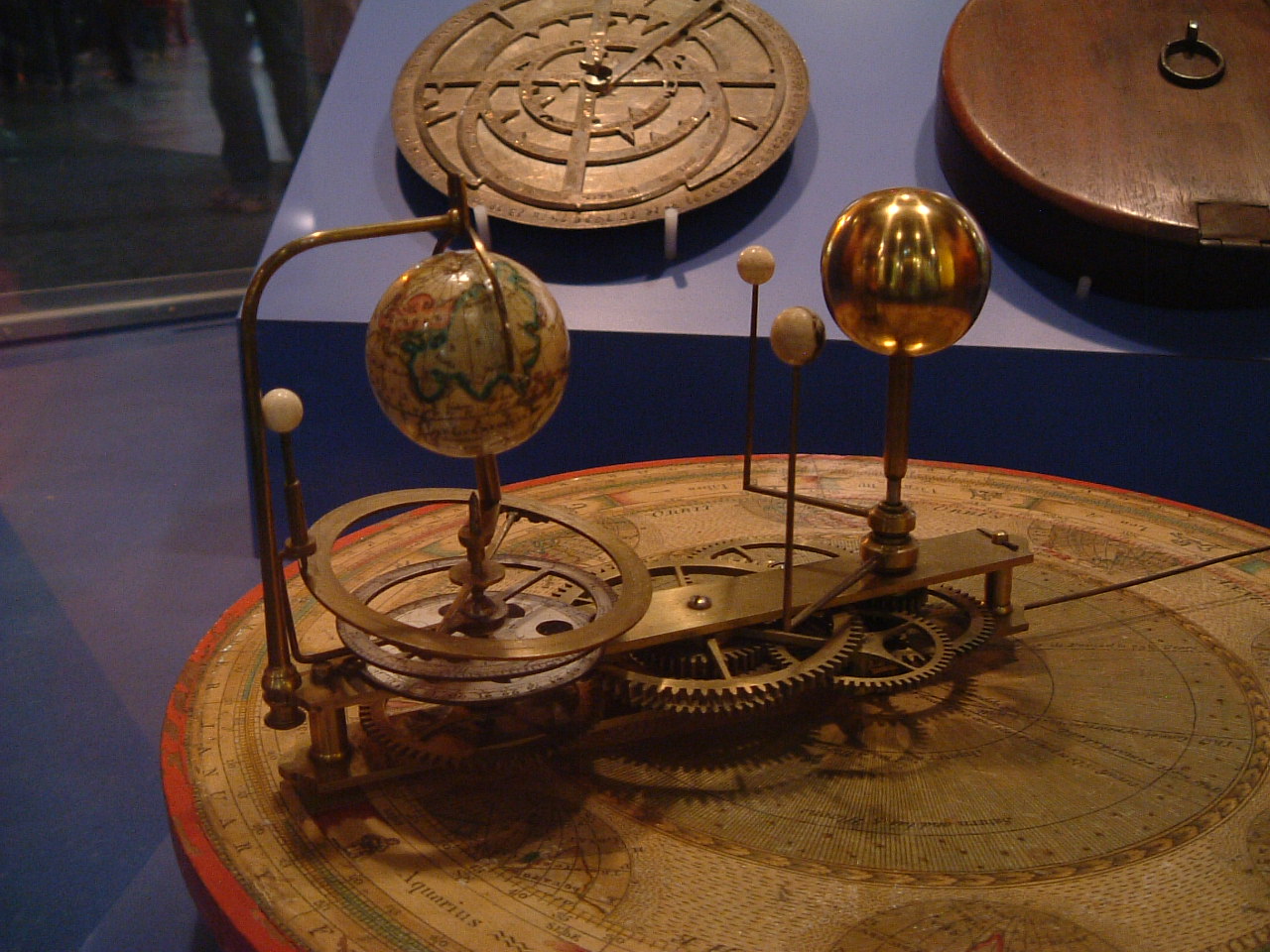
Centuries passed. Mechanical models of planetary motion (also known as oreria) gradually spread throughout the world. However, a real boom in their creation began after Nicolaus Copernicus published his heliocentric model of the universe. Mechanical models of the planets were the perfect way to explain this system. More and more people became interested in them. Entire auditoriums began to fill up for lectures by popularizers of astronomy. The small mechanism on the table was replaced by a larger one that took up an entire room.
That is how the first planetariums came into being. The oldest one still in operation is located in the Dutch city of Franeker. Construction of the building was completed in 1781, and it still houses equipment from that era.
However, people began to ask increasingly complex questions about the world around them, and science popularizers found the mechanical model of the solar system insufficient. In the early 19th century, the Englishman Adam Walker realized that, at least for some celestial bodies, projections – that is, shadows and spots cast by light sources – could be used instead of cumbersome physical objects.
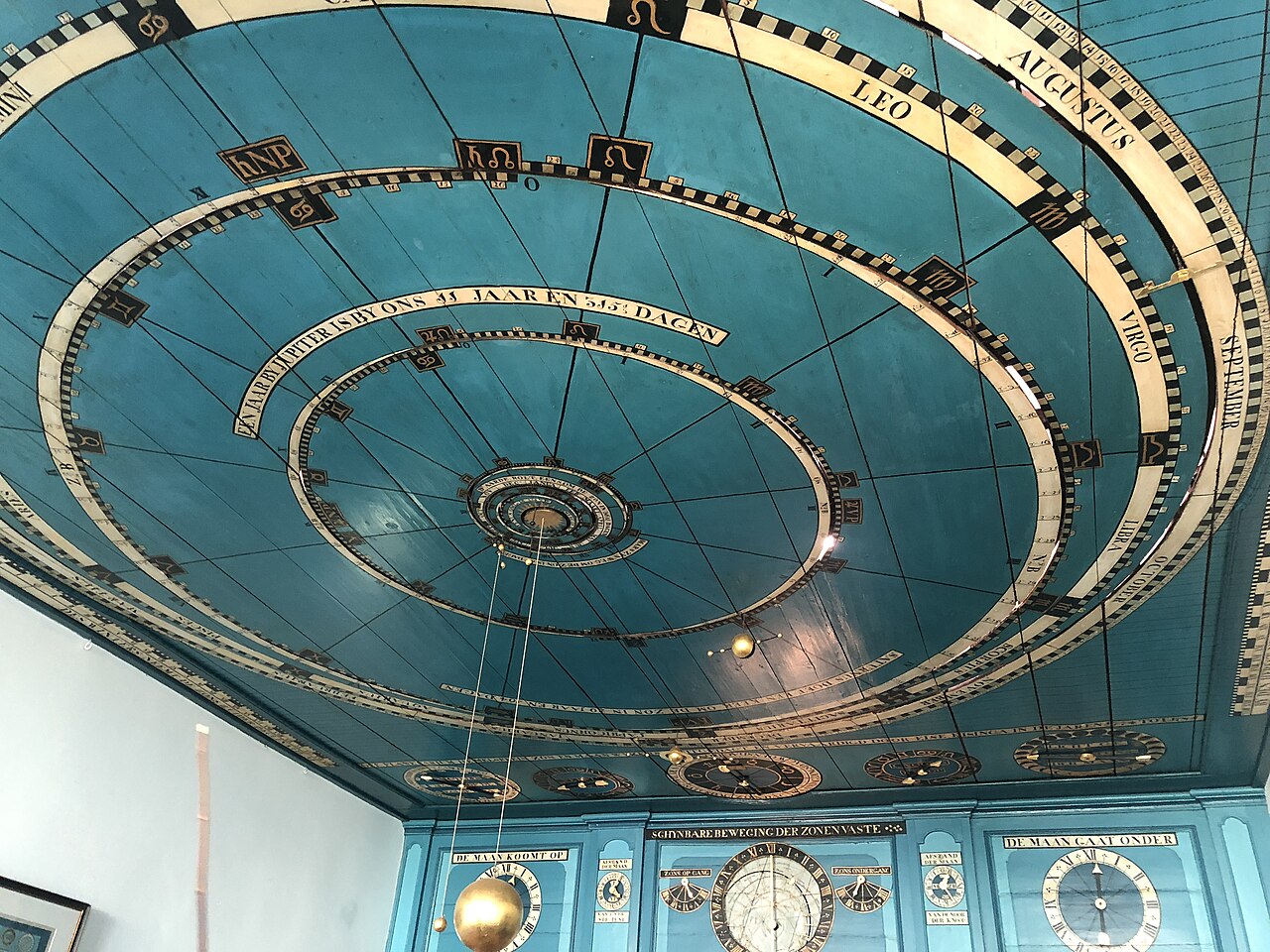
Source: Wikipedia
This made it possible to display, for example, the stars. And it was precisely this principle, combined with traditional models, that Volker applied in the Eidouranion planetarium he built in London.
Optical planetariums
It must be said that the idea of using the interplay of light and shadow to showcase the stars is not all that new. Historical sources indicate that as early as 1229, Frederick II, Holy Roman Emperor, had at his disposal a special tent with holes that corresponded to the positions of the stars in the sky, mounted on a rotating table. All one had to do was set it up on a sunny day in an open area and turn it slightly, and one could observe the rising and setting of the constellations.
However, the modern concept of an optical planetarium – which projects the starry sky onto a hemispherical dome – was proposed in 1903 by Otto von Müller, an employee at a museum in Munich. And it was brought to life by workers at the famous Zeiss optical factory in Jena. Yes, that very same Carl Zeiss – the world leader in the production of binoculars, telescopes, and other optical instruments.
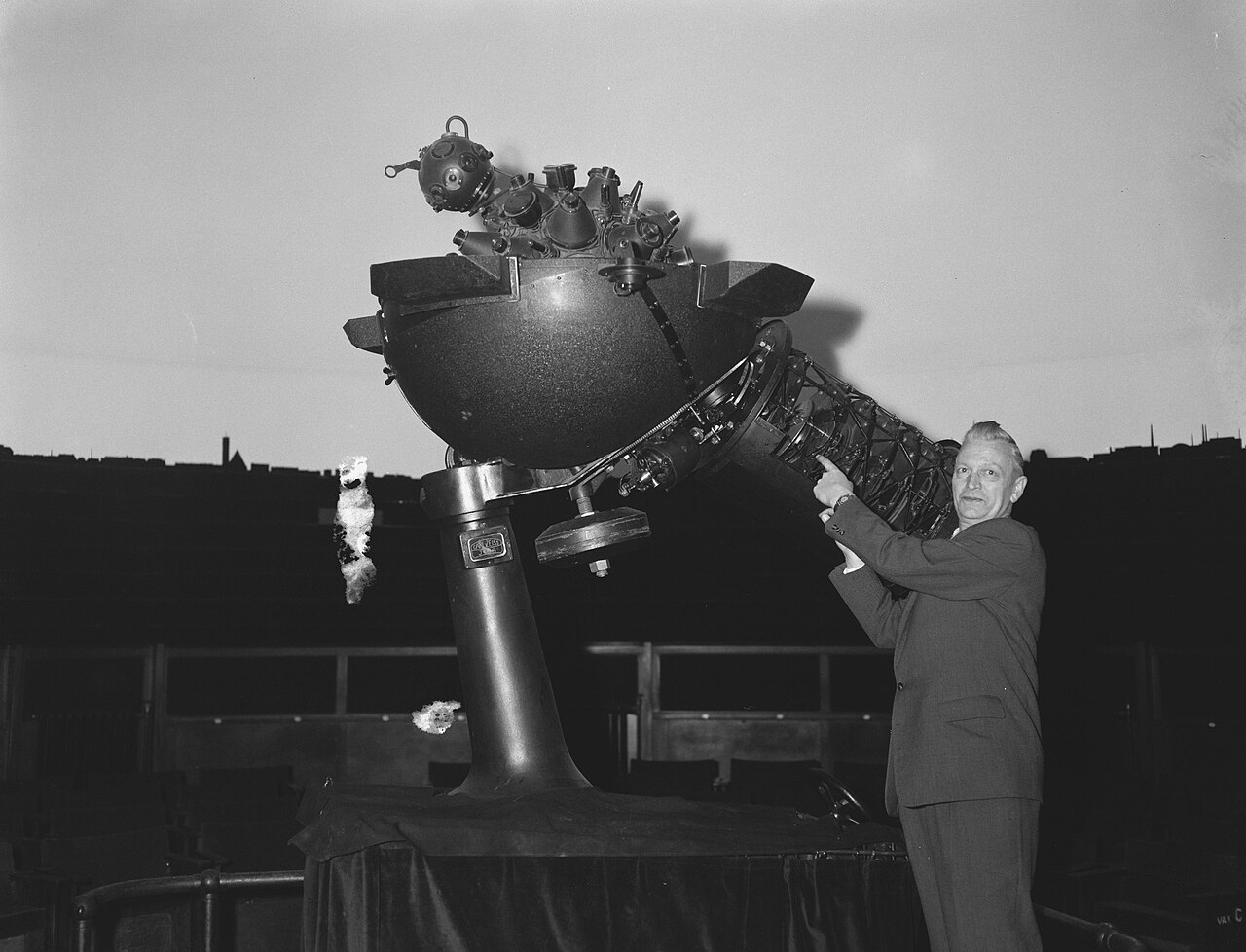
After all, every planetarium, in the form in which its design was established in the 1950s and 1960s, is a small technological marvel. This is because the projection is created by reproducing a map of the starry sky through holes punched in sheets of copper foil, each of which has a diameter corresponding to its actual brightness in the sky.
These sheets are then placed between two layers of glass to form a hemisphere. It features approximately 4,500 stars and deep-space objects. There are two such hemispheres. Inside each one is a lamp, whose light creates an image of the starry sky on the dome’s surface. There is also a clever rotation system that simulates the daily and annual movement of the stars and can also zoom in and out on the image.
But that’s not all. As standard, the planetariums manufactured by Carl Zeiss in the mid-1960s featured a separate projection system for each of the 23 brightest stars in the sky. More sophisticated models could even reproduce the movement of comets on the dome. In addition, the planetarium halls could be equipped with additional projectors that simulate, for example, the sunrise and sunset.
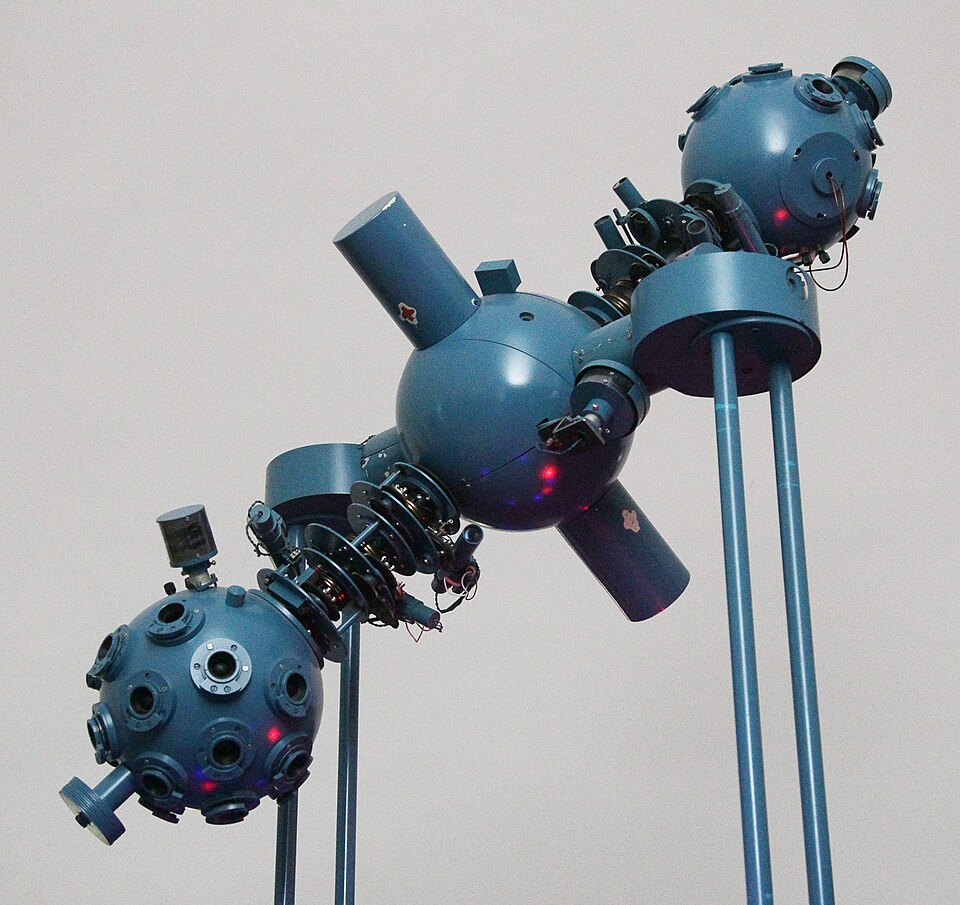
However, this entire grand machine began to rapidly become obsolete, barely having reached its peak. In 1983, the American company Evans & Sutherland unveiled the world’s first digital planetarium, the Digistar I.
Essentially, it was a digital projector – exotic at the time but quite common today – capable of handling vector graphics. It differed from the projectors used in presentations today in that it had a lens capable of projecting images not only onto a flat screen but also onto a hemispherical screen.
The advantage of a digital planetarium over a traditional optical one is that it can project onto the dome not only pre-programmed stars, but also any images at all. Therefore, lectures using this technology can be easily enhanced by quickly updating them and adding new slides.
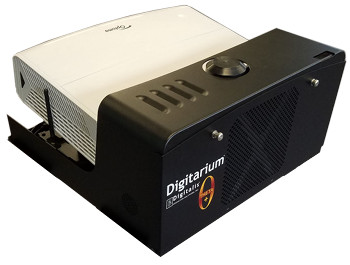
As digital technology began to advance, planetariums took things a step further. Now, the presenter does not need to speak at all. They can simply play a pre-recorded audio track. And small, collapsible domes are often used for projections. They are very similar to Frederick II’s tent, except that instead of holes, “stars” appear thanks to a small device located in the center. In fact, anyone can now set up their own planetarium at home.
Planetariums in Ukraine
Ukraine’s first planetarium opened in 1952 in St. Alexander’s Cathedral, which was not in use at the time. The Soviet authorities often housed such institutions in buildings confiscated from religious communities.
The Kyiv Planetarium operated in the cathedral until 1986, when it moved to a new location. It is there that Ukraine’s most advanced traditional planetarium projector – the Zeiss Mark IV – is located. However, today, a modern digital system is used much more frequently for lectures.
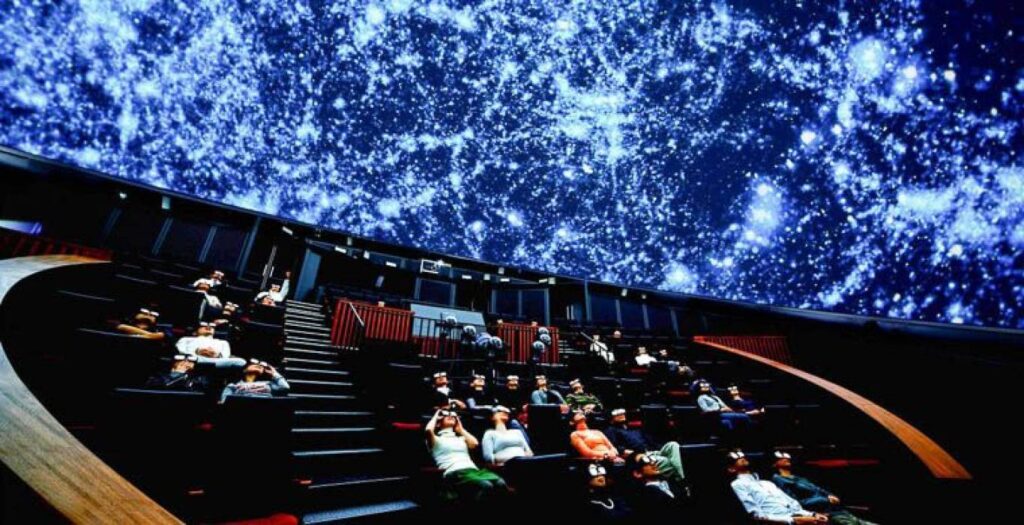
The Kyiv Planetarium is notable for having a dome with an area of 830 square meters, making it the second-largest in Europe. Another notable fact is that from 2002 to 2016, the director of the Kyiv Planetarium was Klim Churyumov, one of the discoverers of Comet Churyumov-Gerasimenko.
The Kharkiv Planetarium is the second oldest in Ukraine. It was opened in 1957 at the suggestion of the distinguished Ukrainian astronomer Mykola Pavlovych Barabashov.
Even now, despite the war, the Kharkiv Planetarium remains the oldest institution of its kind in Ukraine, operating in the very building where it was first opened – the former Mordvin Synagogue. By the way, its lower hall houses a museum where, among rockets, antique star charts, and other artifacts, you can see quite a few figures of aliens. So if you want to find out in which synagogue’s basement the aliens are hiding, head to Kharkiv.

The third-oldest Ukrainian planetarium is located in Kherson. It opened in 1960, also in a former synagogue. However, due to constant shelling, although it remains open, it is not currently accepting visitors.
The planetarium opened in Cherkasy in 1961. However, it ceased operations in the early 2000s, and its premises were later transferred to other institutions.
The same thing happened to the Odessa Planetarium, which opened in 1963 in the Church of St. Panteleimon. In 1993, the premises were transferred to the church. Some of the exhibits disappeared. Lectures continue to be held at the Odessa Observatory.
A fairly large planetarium was also built in Donetsk in 1962. It underwent a reorganization and was completely renovated. However, in 2014, it came under occupation and was looted.
Dnipro Planetarium
The Vinnytsia and Dnipro planetariums fared much better. Unlike their predecessors, they were housed in specially designed buildings in the late 1960s. They have weathered the ups and downs of recent decades relatively well.
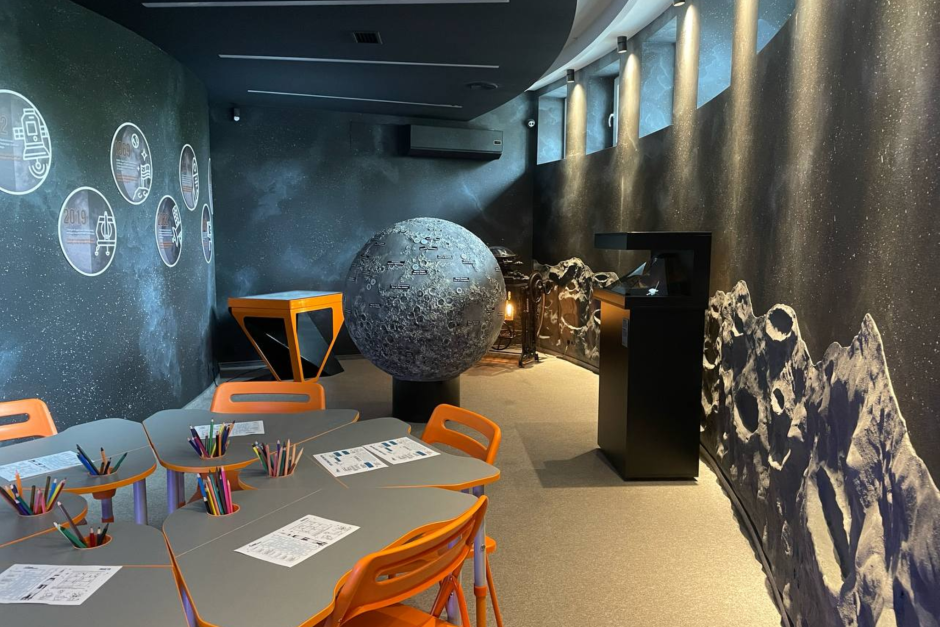
The Dnipro Planetarium has really been lucky. Thanks to an initiative by space industry entrepreneur Max Polyakov, it was taken under the wing of the public organization “Noosphere Association.” As a result, the equipment was completely upgraded. It is now the best in Ukraine and consists of six Norxe LED projectors. They enable the display of full-dome video in 4K format.
The planetarium features interactive exhibits that allow visitors to explore various physical phenomena on their own: a projection sandbox with kinetic sand, astronaut backpacks that demonstrate the effects of gravity, and more.
The museum also features a historical section of its exhibition, which displays artifacts related to the space programs of various countries. There is also a lecture hall where Ukrainian and international experts are invited to speak.

