

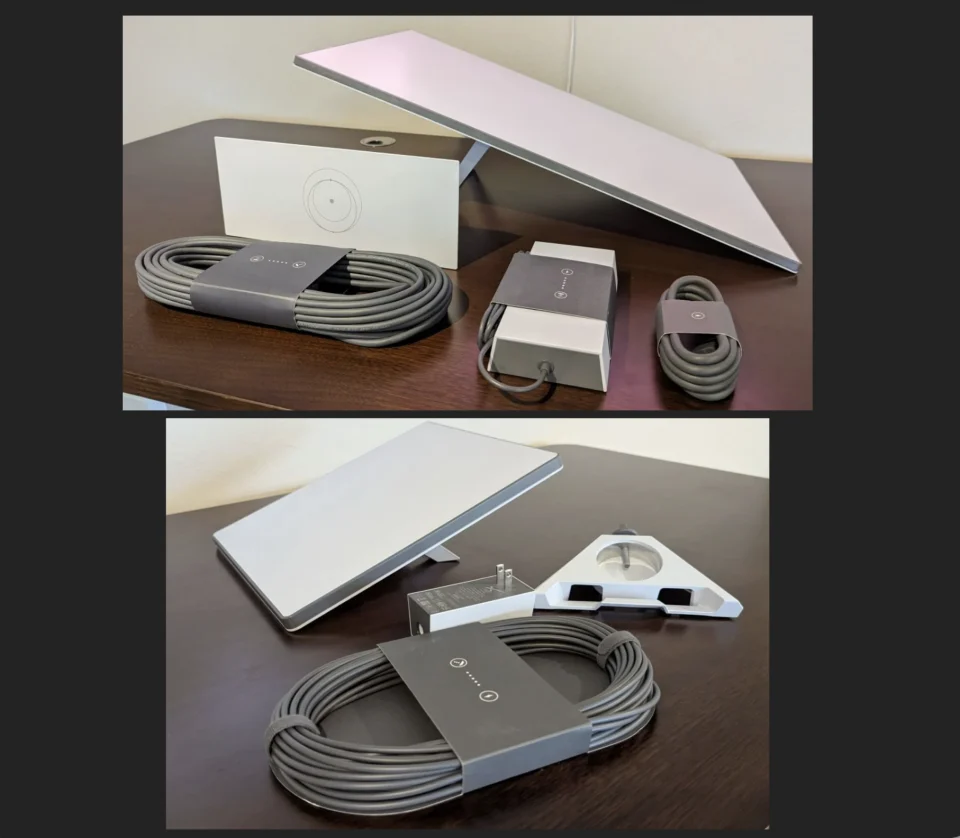
SpaceX has unveiled two new models of Starlink antennas, which feature a slimmer design and are lighter in weight. In a video interview, CEO Elon Musk noted that the new devices are already being produced in significantly larger volumes than previous models. He estimates that the global number of Starlink terminals could reach several hundred million in the future.
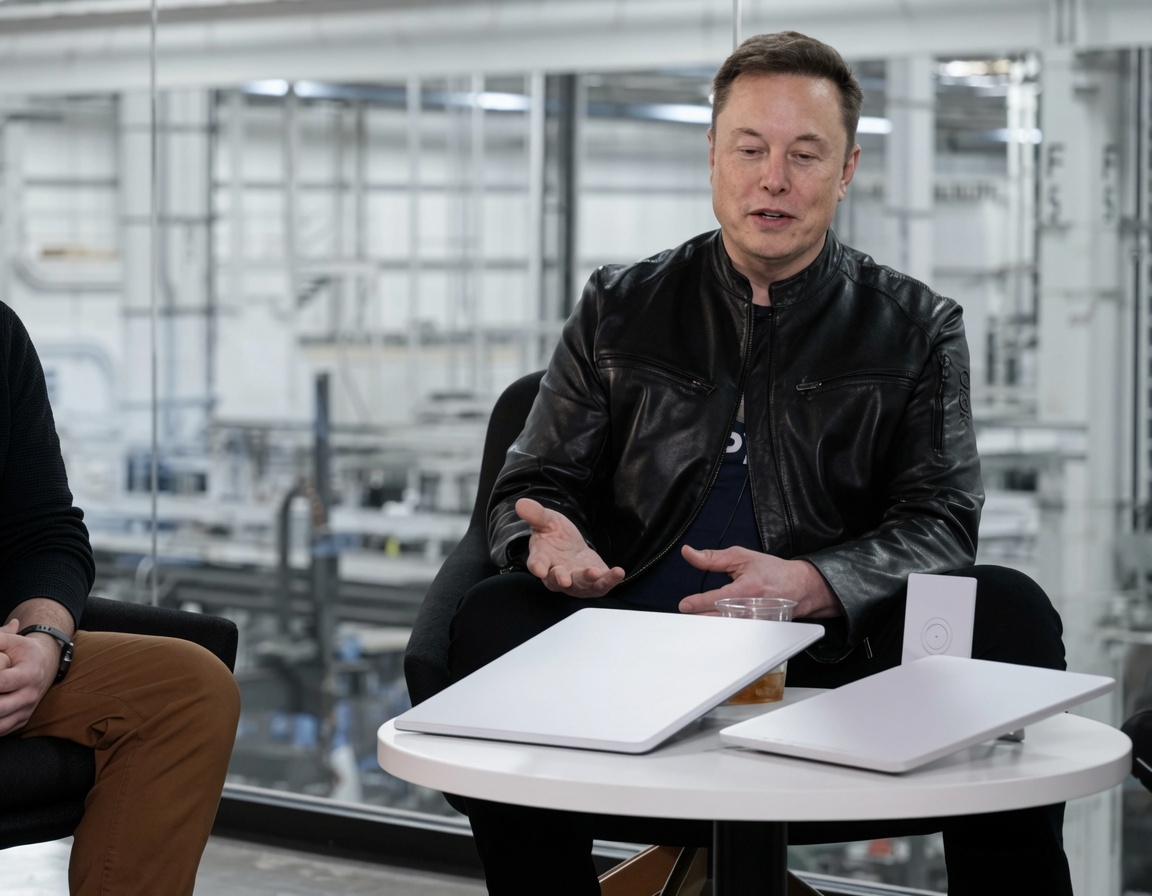
Although the company has not yet announced the price or release date on its official website, the antennas appear compact enough to fit in a standard backpack. This makes them an ideal portable solution for users.
What the firmware hides: experts’ findings
SpaceX is preparing the new #Starlink user terminal – rev5
(Everyone will call it Gen4 anyway).The current revision is rev5_pez_prod2, meaning the terminal should already be in production and likely to hit the market in Q2 2026.
The new terminal lies somewhere between the… pic.twitter.com/rFWwKkex0S
— Oleg Kutkov ?? (@olegkutkov) June 5, 2026
Ukrainian engineer Oleg Kutkov has revealed details about these unannounced new models. While examining the Starlink firmware code, he found references to two new models. The first, codenamed rev5, will likely succeed the standard antenna released in late 2023. The second model could be a more powerful version of the Mini. Code fragments indicate that it will feature a built-in battery and a modern USB-C port, ensuring maximum autonomy.
Financial indicators and preparation for an IPO
The announcement of the new devices coincides with SpaceX’s preparations for an initial public offering (IPO), which could potentially raise up to $75 billion. The company is rapidly expanding its user base: the number of active satellite internet users recently surpassed 12 million.
Watch @ElonMusk provide a technical update on SpaceX’s capability to manufacture, launch, and operate AI satellites at scale → https://t.co/PSCyWrNsOg pic.twitter.com/vhtr46uax7
— SpaceX (@SpaceX) June 8, 2026
According to regulatory filings, the number of paid subscriptions reached 10.3 million in the first quarter (an increase of 5.1 million from last year). However, the company is facing certain financial challenges: Starlink’s average revenue per customer fell from $86 to $66 per month.
Orbital data centers
To generate interest among investors ahead of its IPO, SpaceX released a video highlighting the Starship spacecraft and the deployment of orbital data centers. These centers will consist of special “AI satellites.” While the initial concept envisioned a massive craft with a wingspan exceeding 170 meters, the new video features a somewhat more modest first version with a 70-meter wingspan.
Although space-based data centers are an untested concept with many technical hurdles, Musk emphasizes the architectural simplicity of such spacecraft. Unlike Starlink satellites, which feature complex phased-array antennas and numerous laser communication channels, the AI satellite is structurally much simpler—it requires only solar panels, a cooling system (radiator), and basic laser communication channels.
Is space facing the threat of overpopulation?
The company’s ambitions are impressive: SpaceX has already applied to regulators for permission to launch and operate up to 1 million of these AI satellites. Elon Musk responds optimistically to concerns about a possible critical overload of Earth’s orbit. He believes that managing such a large fleet of spacecraft is no more difficult than what the company is already doing, concluding: “It’s not as if space will become crowded. Space is a vast expanse.”
According to PCMag

