

Astronomy is often confused with astrology. In reality, however, it has much more in common with meteorology. For most of human history, they were considered a single field of knowledge. And even today, it is not easy to draw a clear line between them.
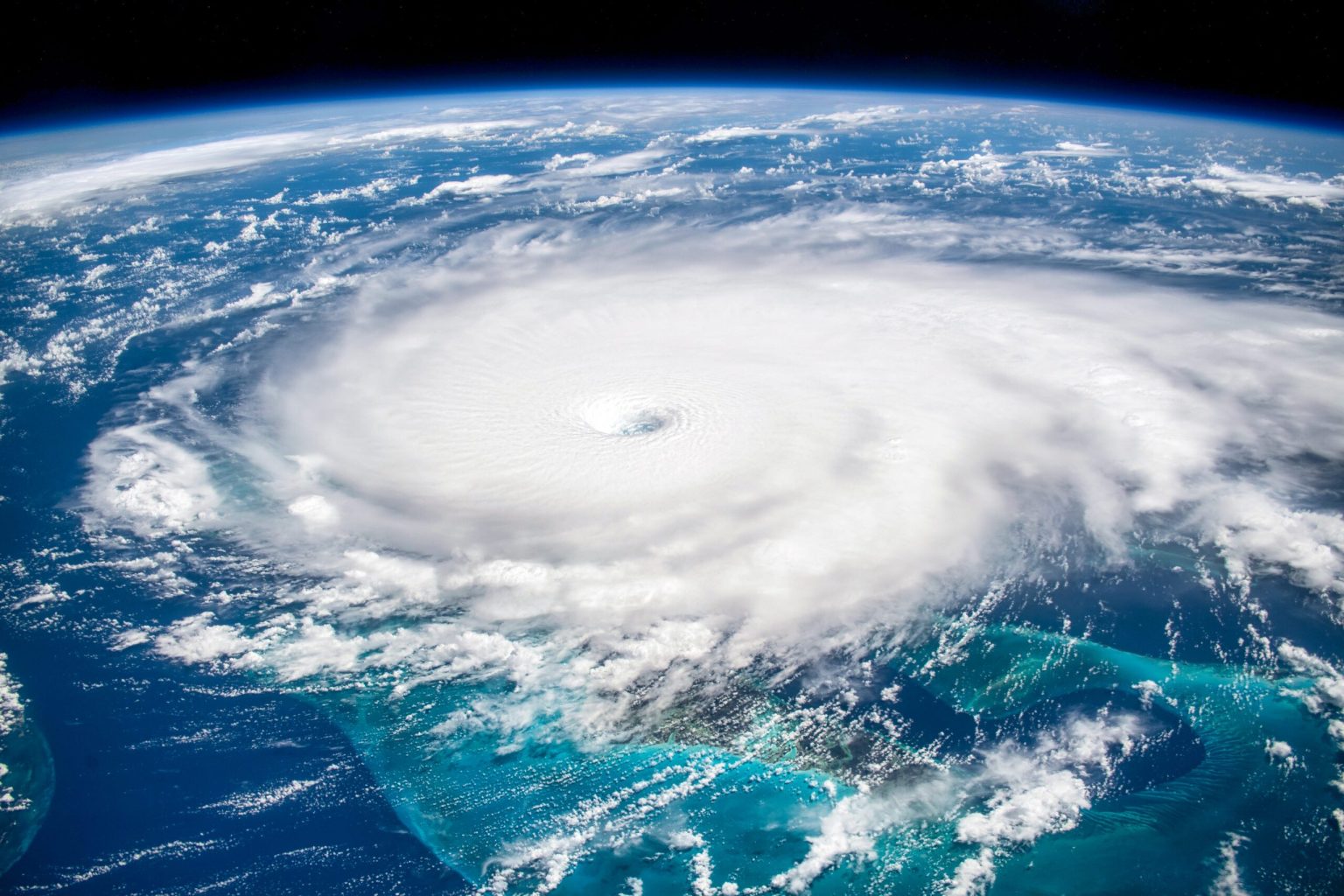
What is the name of the science that studies celestial phenomena?
March 23 marks World Sky Science Day. And no, it is not about astronomy. The other science of the sky is called meteorology, and scientists in this field are mentioned by the general public far more often than those who study stars and planets.
And they are most often mentioned in an extremely negative light, because what could dampen one’s spirits more than a rain forecast for tomorrow? Only a situation where it rains despite meteorologists having promised sunshine. Surprisingly, astrologers – those who have devoted themselves to a different field of knowledge, one that is often confused with astronomy – do not face such criticism. Although meteorologists’ forecasts do come true more often.
In fact, meteorology and astronomy only recently became distinct branches of scientific inquiry, just a few centuries ago. Before that, their relationship was much more complex because the modern understanding that the former deals with phenomena in Earth’s atmosphere and the latter with what happens beyond its boundaries did not make sense, since people had no idea about the composition of our planet’s gaseous envelope or that Earth is just one of many planets.
Aristotle’s work Meteorology, written in the 4th century B.C., describes stars and clouds, rain, and meteor showers in equal detail. In fact, the Greek word μετεωρο literally means “celestial phenomenon”– that is, anything that occurs in the sky.
How did meteorology become a distinct science?
In fact, there was no clear distinction between astronomy and meteorology for a very long time. Suffice it to say that as late as the early 17th century, some astronomers continued to claim that comets were phenomena occurring in the upper layers of Earth’s atmosphere. It was only thanks to Tycho Brahe, who proved that they move by crossing the orbits of the planets.
It was around this time that meteorology began to emerge as a distinct field of study. And it all started with a series of highly practical experiments. To be precise, the anemometer – a device for measuring wind speed and force – was invented as early as 1450. In 1607, Galileo Galilei (who is usually remembered as an astronomer) constructed the first thermometer, which, in fact, did not even have a scale yet, but already responded to changes in air temperature. In 1642, Evangelista Torricelli invented the barometer, giving scientists a tool for measuring air pressure. Around the same time, Johannes Kepler was studying snowflakes.
Source: www.istockphoto.com
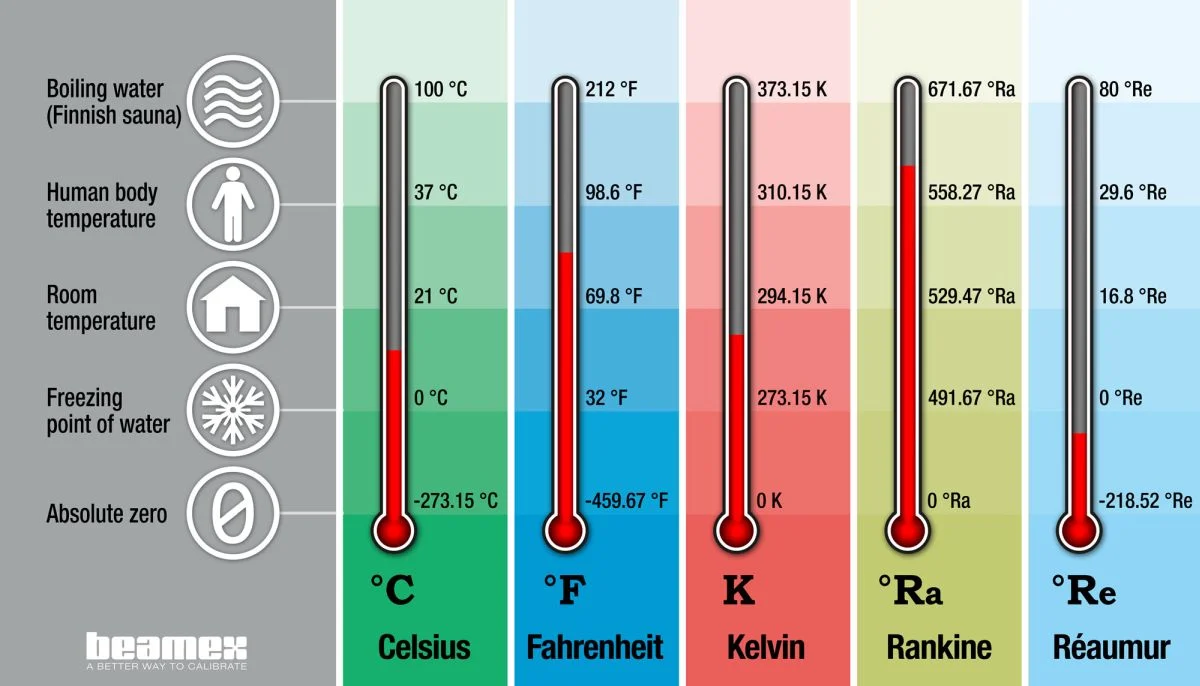
The 18th century gave scientists three of the four temperature scales currently in use. In 1714, Gabriel Fahrenheit proposed his version; in 1730, René Antoine Ferchault de Réaumur; and in 1742, Anders Celsius. In the same century, it became clear that the atmosphere is a mixture of several gases, primarily oxygen and nitrogen.
Thanks to all this research, it has become possible to begin to grasp a phenomenon that humanity has been familiar with throughout its existence, yet has never even come close to understanding – the weather.
Weather forecasts were limited to statements like “there will be snow and blizzards this winter” and “there’s a dark cloud on the horizon; it will rain in half an hour,” but even slightly accurate forecasts for a couple of days ahead based on physical measurements remained just as much of a scientific idea as determining whether it would rain next week based on whether you could mentally hang a bucket on the new moon.
Even researchers in the late 18th century, who already understood that rain is water falling from clouds that form when water evaporates elsewhere, and that all these clouds are driven by the wind, which is caused by differences in gas pressure, were still unable to tie all these facts together into a single picture of the weather on our planet that could answer the question of whether it will rain tomorrow or not.
This required a sophisticated weather monitoring network and several physical models that describe the behavior of gases in our planet’s atmosphere at multiple levels.
How meteorologists predict the weather
The idea that any scientific weather forecast must be based on a network of observation stations that record key atmospheric parameters first emerged in the late 17th century. It is based on the fairly simple fact that nothing comes from nowhere, and that all atmospheric masses – with clouds inside them – were previously located somewhere else in a different state before becoming a storm or simply a downpour.
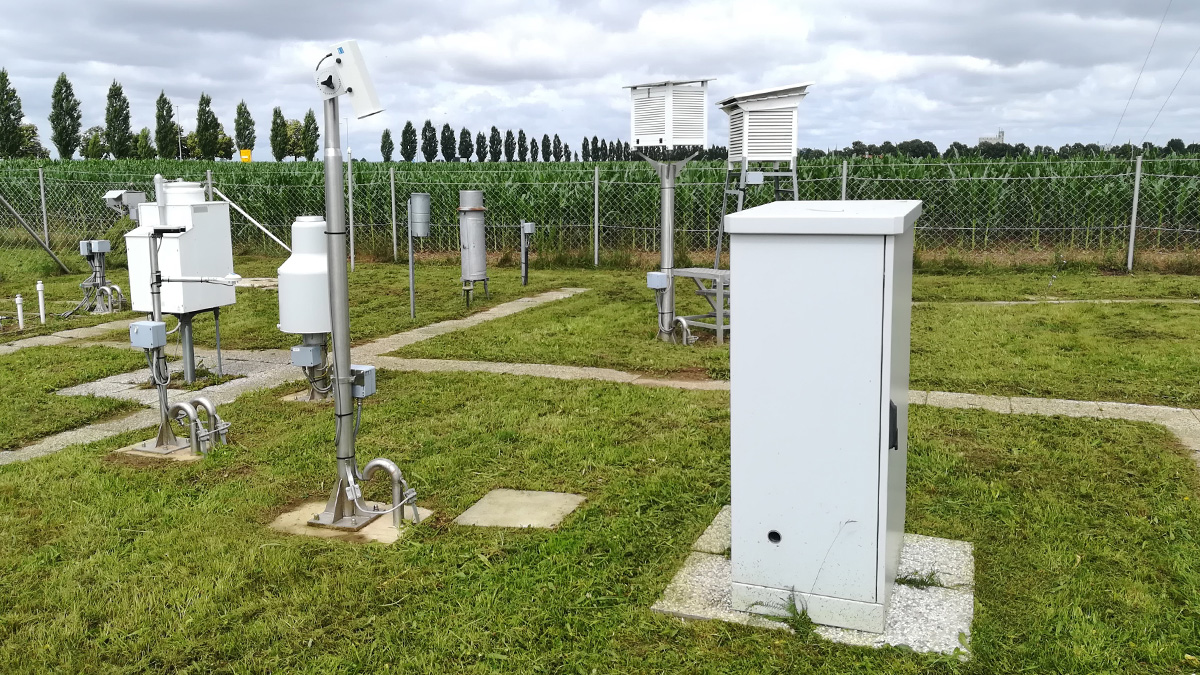
However, until the mid-19th century, all networks of weather stations were extremely sparse and essentially experimental. They did collect some data, but they did not even record an overall picture of the weather in Europe, let alone the air masses coming from Asia, Africa, or the Arctic.
At the time, climate models were also in their infancy. But even that was enough for the simplest of predictions. Simply collecting temperature and humidity data in a given area proved sufficient to identify certain key patterns. They will not provide the full picture, but in certain cases, they will offer better medium-term forecasts than folk signs.
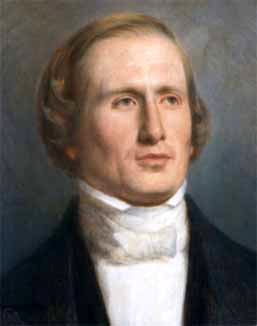
The validity of these claims was demonstrated as early as 1854. At that time, during the Crimean War, a sudden storm in the Black Sea wrecked 60 British and French ships. However, as Urban Le Verrier, director of the Paris Observatory (incidentally, the same astronomer who discovered Uranus), soon proved, it was not all that unexpected. Meteorological observations made in the region several days earlier clearly indicated its formation. So there would have been enough time to move the ships out of the danger zone if the warning had been issued in time.
To prove his point, Le Verrier used the new data to make the first-ever weather forecast for the coming days, which later proved accurate. This convinced the French Emperor Napoleon III to establish a meteorological service. Soon, similar services were established in other countries as well.
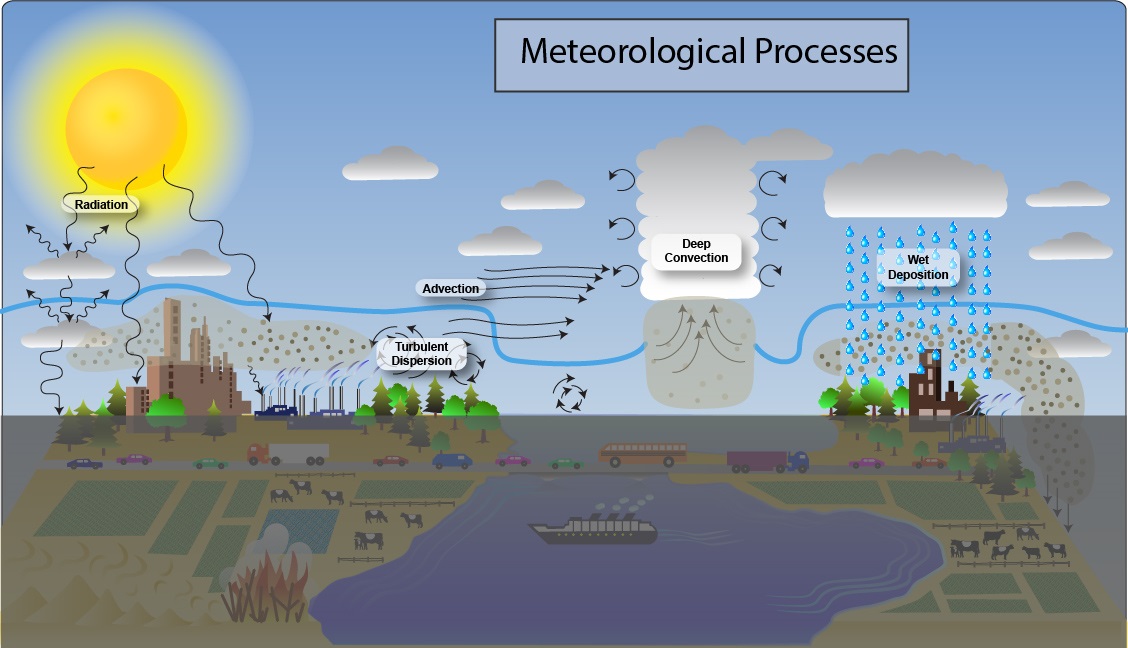
For a time, it seemed that the problem was simply a lack of data. Throughout the 19th and 20th centuries, the network of weather stations around the world expanded. All major air currents over the globe were mapped, and it became clear that they form a single system with ocean currents. The weather on our planet was indeed a complex phenomenon.
It was all so complex that putting the whole picture into words seemed impossible. However, in the language of mathematical formulas, it was entirely possible. In the mid-20th century, computer technology was just beginning to develop, and it seemed that as soon as enough data was collected and all the point-by-point graphs were plotted, completely accurate weather forecasts would become a reality.
Chaos theory
And this is where meteorology – a field whose development had already relied heavily on the achievements of other sciences – presented scientists with a new puzzle. Using large datasets, they built several models of how the atmosphere should behave. Essentially, these were sets of equations, and by inputting new parameters into them, it was easy to generate predictions.
However, no matter how statistically reliable these models might be, time and again, there were instances when the weather behaved as if, at some point, some other equations had started to take effect on their own.
The weather posed a challenge to the very language spoken by all the sciences – mathematics. A theory had already been developed there that was so outlandish that, from the perspective of high school physics and mathematics, it was hard to believe.
Source: www.zmescience.com
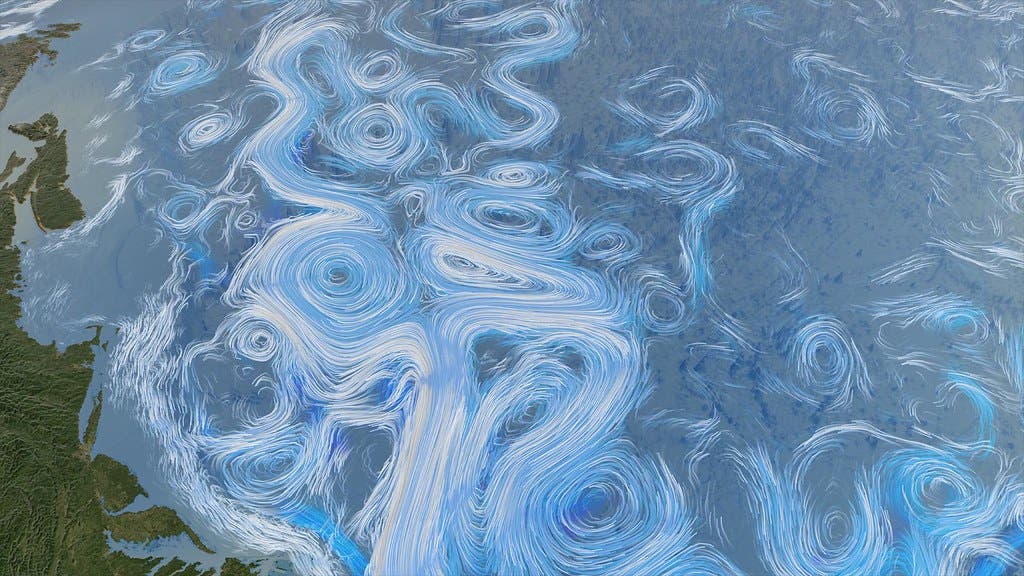
It is called chaos theory, and it posits the following: There are systems in which the patterns of motion of the components depend not only on the number of points whose parameters you have defined, but also on how precisely you have defined those parameters. And that is exactly what our planet’s atmosphere is like.
That is precisely why the approach – proven in other fields – of “taking a large but limited amount of data and using it to derive generalized patterns in meteorology” does not fully work. This was disappointing news for meteorologists, but they had already come to terms with the fact that the subject of their research is far more complex than it appears. And the mathematical tools for describing chaotic systems soon appeared. However, it simultaneously became clear that our planet’s atmosphere is structured in such a way that we cannot count on absolutely accurate and reliable weather forecasts.
Modern Meteorology and Astronomy
Although the two sciences of the sky seem to exist separately from one another, in reality, they have never been able to completely separate. And the very first example that comes to mind in this regard is meteors. These celestial stones are undoubtedly astronomical bodies. However, when they collide with our planet, they create an atmospheric phenomenon known as a meteor. Nevertheless, it is primarily astronomers who study it.
There is another example, one that is far more interesting: the aurora. Essentially, they are simply the glow of gas in the outer layers of our planet’s atmosphere. A purely meteorological phenomenon. However, the energy for this comes from solar flares. And that is already astronomy. Moreover, they generate magnetic storms, and that is geophysics – the third science.
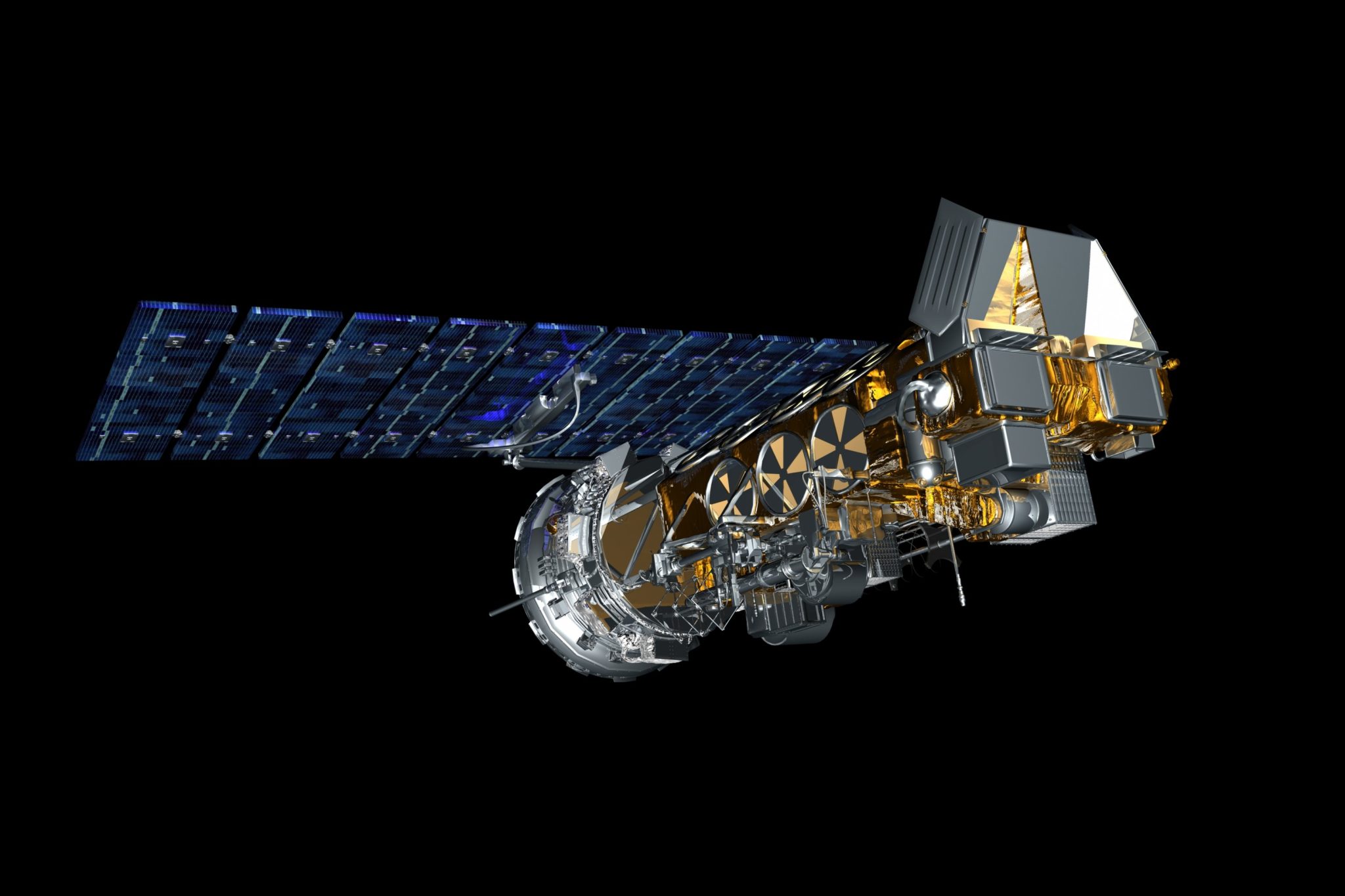
In general, meteorology has never been far removed from space. After all, in its current form, it is impossible to imagine meteorology without satellites. Spacecraft designed to observe our planet’s atmosphere were among the first to be launched into orbit. For example, one of the main operators of such spacecraft in the U.S. remains NOAA – the National Oceanic and Atmospheric Administration – which is, in essence, a meteorological organization.
However, astronomy cannot exist without meteorology. Even in our own Solar System, there are plenty of objects with atmospheres of their own. Not to mention the thousands of exoplanets, many of which may turn out to be similar to Earth.
Almost all theories on this subject are based on the data and models that meteorologists have developed to predict the behavior of our own planet’s atmosphere. Without them, astronomers simply would not know what to do. And, most likely, the role of meteorological research in this field will only grow in the future.
Meteorology is an imprecise science. But it is meteorologists who truly appreciate the value of precision. For in no other field of knowledge can accurate predictions come at such a high price. Yet it is precisely this that makes it the go-to source for other scientists when they encounter something truly baffling.

