

On Wednesday evening, the world held its breath as the most powerful rocket of our time lifted off from the launch pad at the Kennedy Space Center in Florida. This isn’t just another launch—it’s the start of the historic Artemis II mission, which aims to return humans to the vicinity of the Moon for the first time since 1972. At 6:35 p.m. local time (1:35 a.m. Kyiv time), the massive Space Launch System (SLS) rocket, developed by Boeing, lifted off and headed into space.
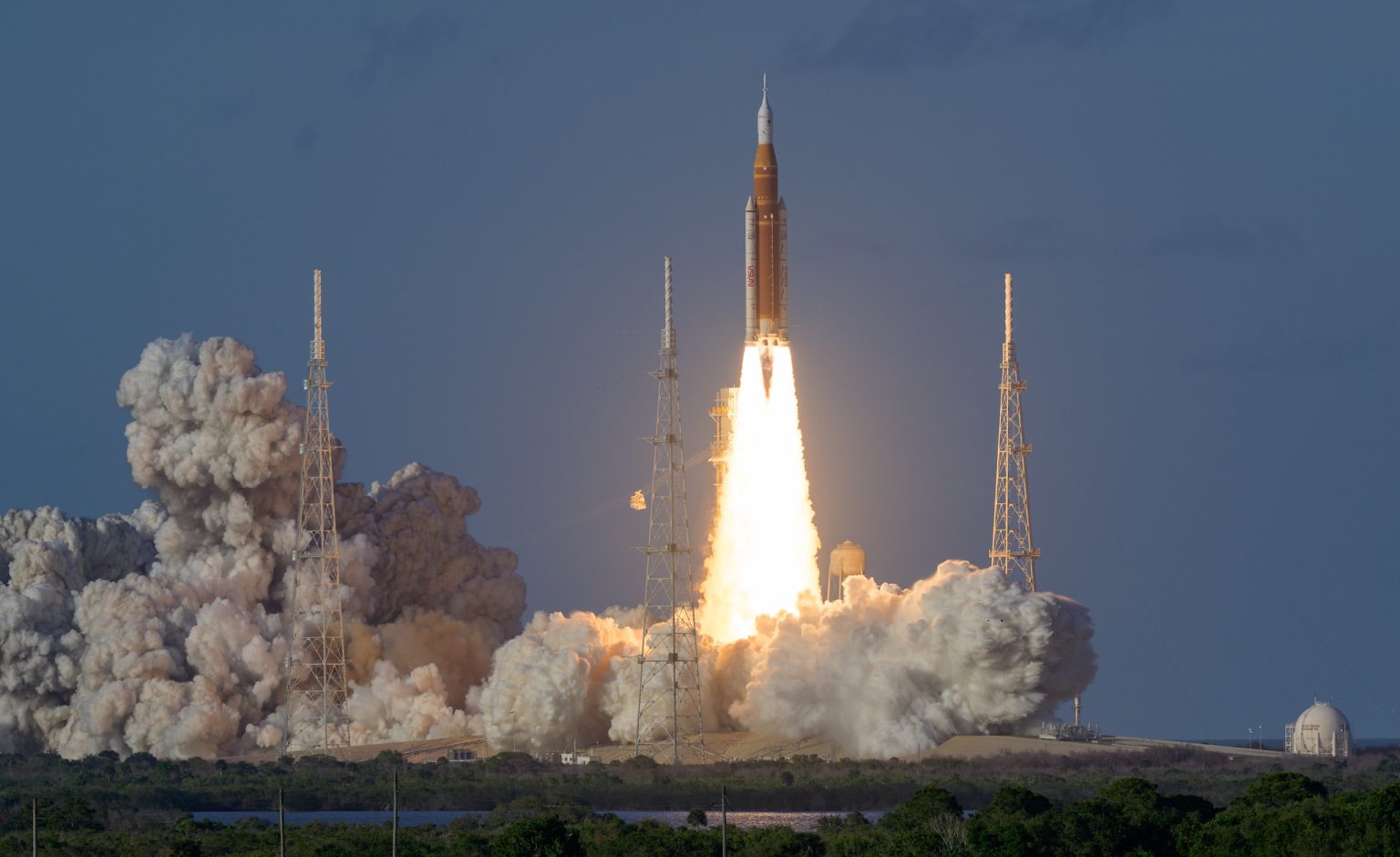
The Orion capsule, developed by Lockheed Martin, is carrying four astronauts whose names have already gone down in history. The rocket, which is taller than the legendary Statue of Liberty, demonstrated incredible power, reaching a speed of 28,000 km/h. Eight minutes after liftoff, once the solid-fuel side boosters and the first stage had completed their tasks, the crew entered weightlessness.
“We have a beautiful moonrise, we’re headed right at it, ” ship commander Reid Wiseman reported back to Earth, confirming that they had successfully entered orbit.
The Artemis II crew
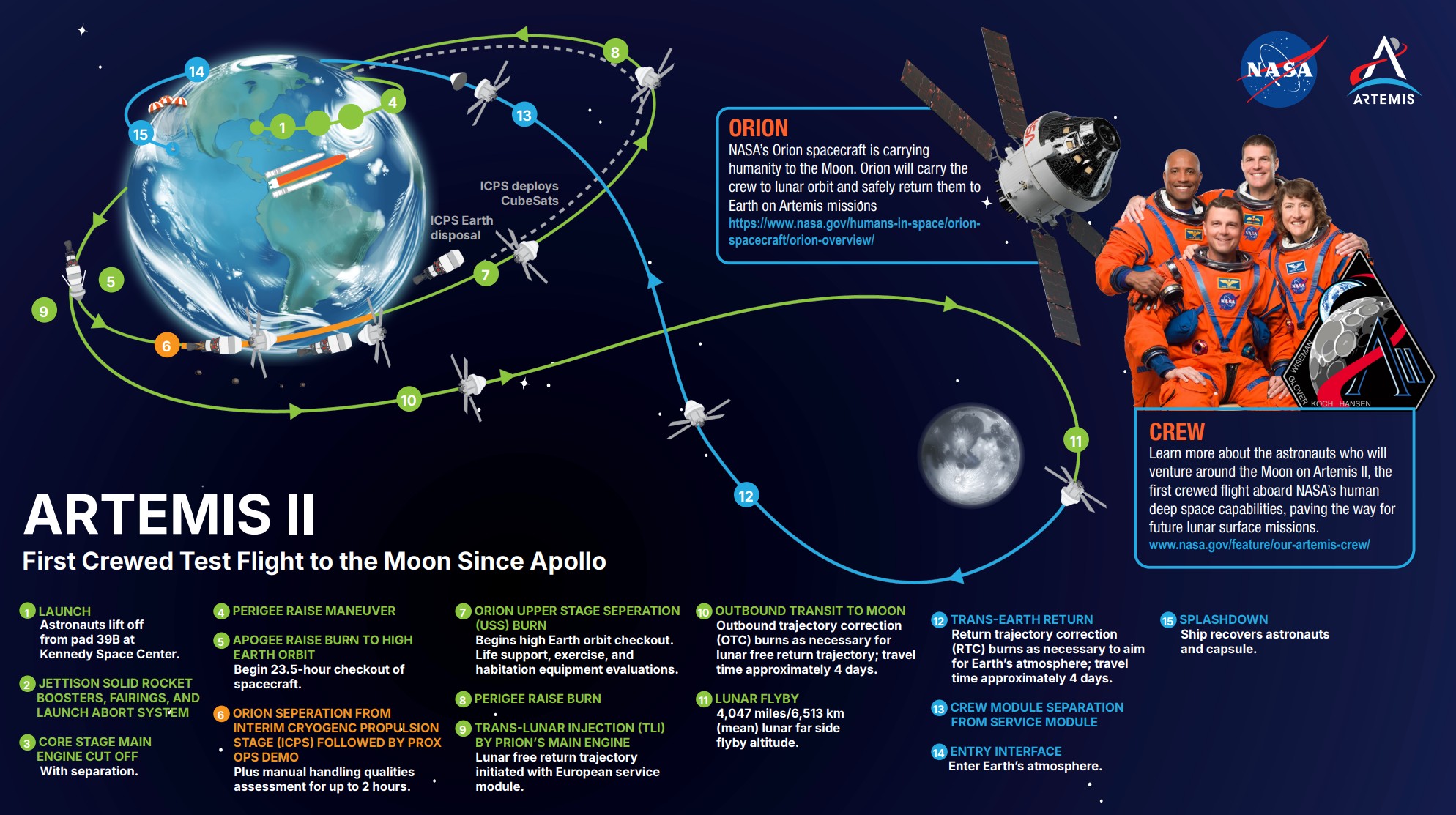
The Artemis II mission is notable not only for its technology but also for its crew. Each of the four astronauts embodies a new era of inclusivity and international cooperation in space.
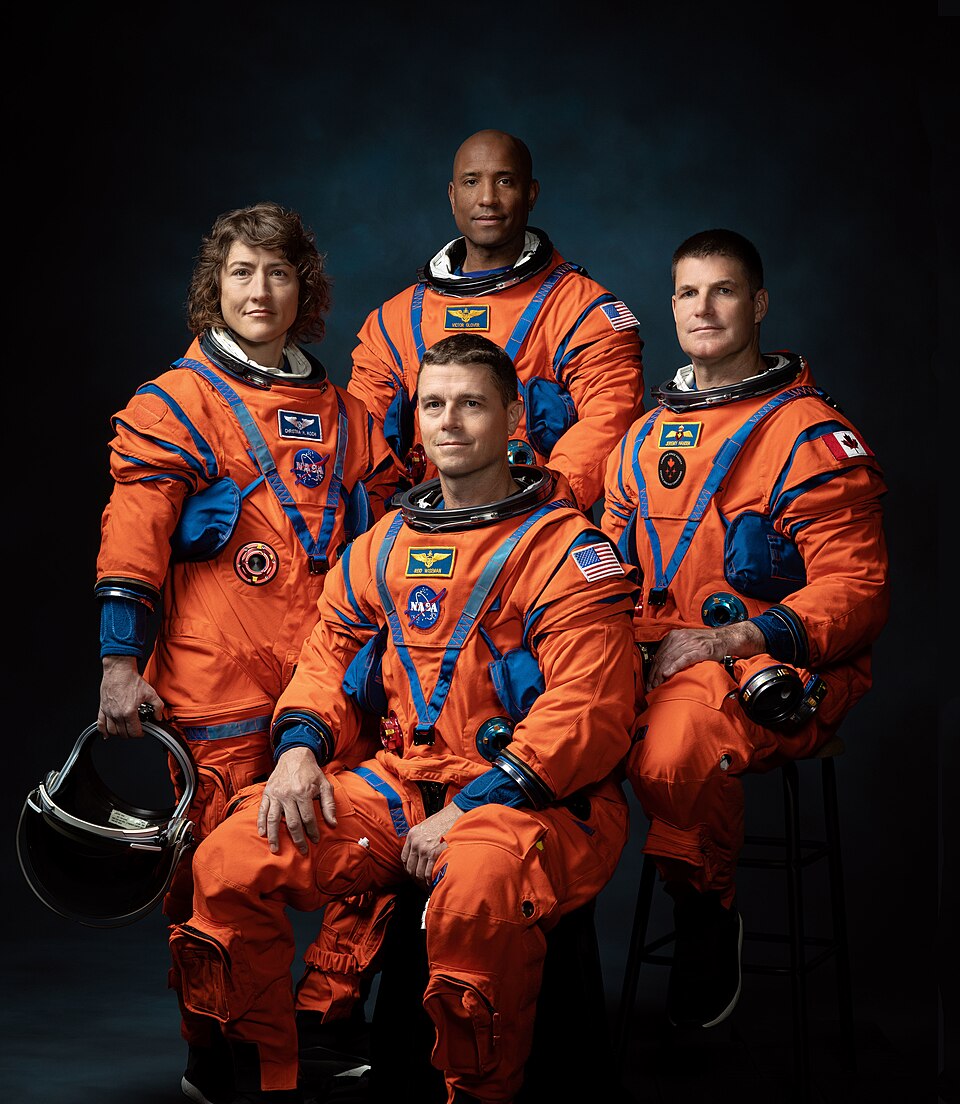
- Reid Wiseman (commander): A 47-year-old U.S. Navy veteran whose experience managing NASA’s astronaut office proved crucial to the preparation of this mission.
- Victor Glover (pilot): He will be the first African American to fly to the Moon. His mission is to pilot the capsule during complex rendezvous maneuvers.
- Christina Koch (mission specialist): The legendary astronaut, who has already set the record for the longest spaceflight by a woman, will now become the first woman to see the lunar landscape up close.
- Jeremy Hansen (mission specialist): A representative of the Canadian Space Agency who became the first non-American in history to travel to Earth’s orbit.
This is Hansen’s first spaceflight, but his role is critical to verifying the reliability of Orion’s life support systems in the deep vacuum and radiation environment beyond Earth’s protective magnetic field.
Maneuvers on the way to the moon
The first few hours of the flight will be a rigorous test of all systems. About 3.5 hours after launch, Victor Glover will begin a series of complex maneuvers. Using the second stage of the SLS rocket, which remains in orbit, it will maneuver Orion toward it to practice the rendezvous procedure. This is a critical “preparatory task”: this docking tactic will be used in future missions to connect with landing modules from SpaceX and Blue Origin.
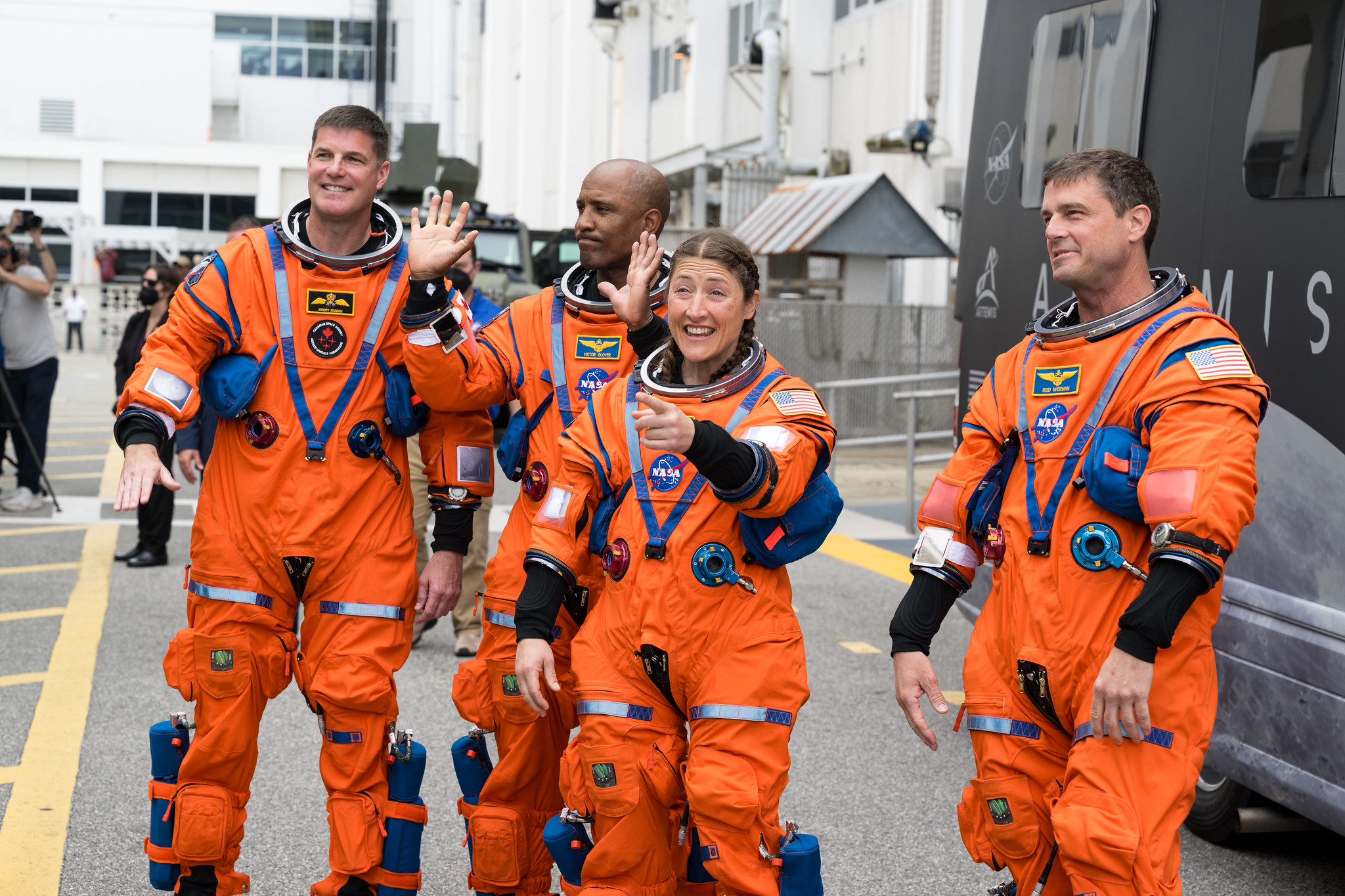
On the second day of the flight, Orion will fire its main engine to perform a TLI (Trans-Lunar Injection) maneuver—a maneuver that will place the spacecraft on a trajectory toward the Moon. This 380,000-kilometer journey will take four days. The peak will be on April 6, when the astronauts fly over the far side of the Moon. At a minimum distance of 6,618 km, the moon’s surface will appear enormous, filling the capsule’s windows.
Ten-Year Plan
The current mission is not merely a repeat of the Apollo program’s successes. It is a strategic deployment of resources in the new space race. NASA Administrator Jared Isaacman, appointed by President Donald Trump, is implementing an aggressive $30 billion plan. His goal is not simply to leave boot prints in the lunar dust, but to establish a permanent base where people can live and work.
Isaacman has significantly updated the Artemis program, adding a test mission in 2027 to the schedule that involves docking with private landing modules. The U.S. is rushing to stay ahead of China, which plans to land on the moon by the late 2020s. Control over lunar resources, such as water ice at the poles, could be the key to dominance throughout the solar system.
Financial difficulties and a challenging journey back
Despite its triumphant launch, the Artemis program remains under fire from critics due to massive budget overruns and years of delays. Although the SLS rocket has proven its capabilities, it is extremely expensive to build. Senator Mark Kelly expressed doubt that a landing on the surface could actually take place as early as 2028, calling the task “extremely challenging, though not impossible.”
However, for the Orion crew, these political disputes will remain far behind on Earth. After flying past the Moon, its gravity, like a giant slingshot, will send the spacecraft back home. On the tenth day of the mission, the capsule will enter Earth’s atmosphere at a speed of about 40,000 km/h. The Orion heat shield is designed to withstand temperatures twice as high as the Sun’s surface temperature.
The final destination of the journey is the Pacific Ocean. There, beneath the parachutes, the capsule will splash down, where a U.S. Navy rescue team will be waiting for the crew. This mission will serve as the foundation upon which humanity will build its next home—no longer on Earth, but among the stars.
We previously reported on NASA’s plans to build a permanent outpost beyond Earth.
According to Bloomberg

